If a consumer is choosing canned sardines and specifically wants to keep fat and calories lower, what packing liquid should they select?
Answer
Water packing
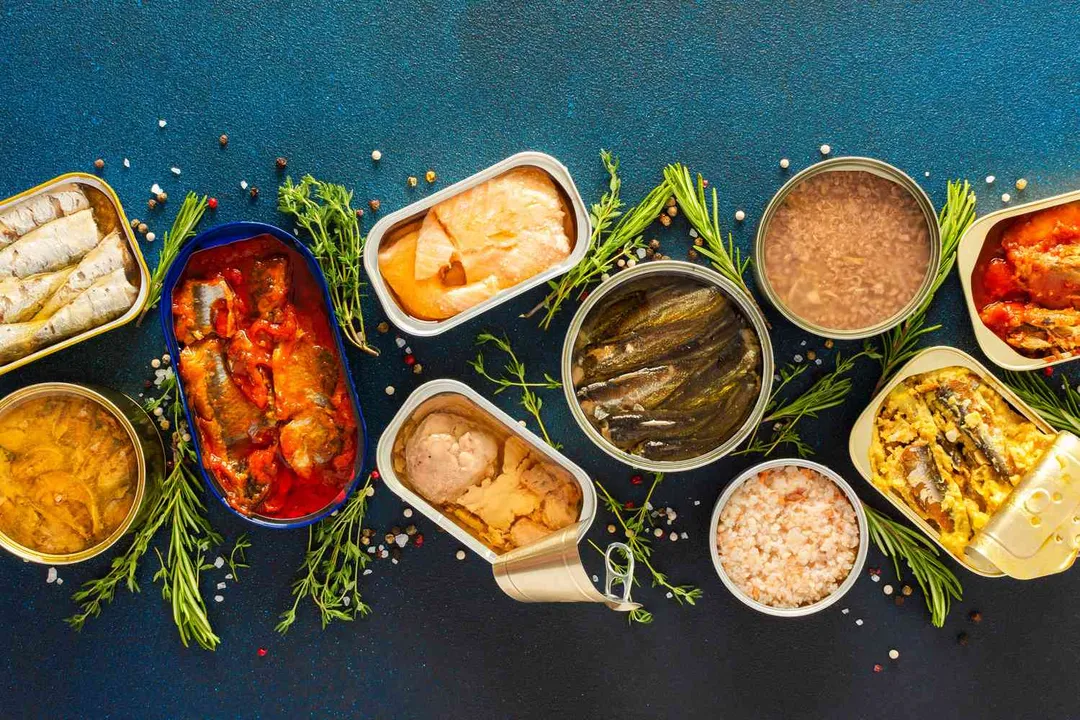
The liquid in which canned sardines are packed heavily influences their final caloric and fat density. If the primary objective is to minimize fat and calories in the serving, selecting sardines packed in water is the recommended choice. Packing them in oil, even healthy monounsaturated fats like olive oil, will increase the overall caloric density of the meal. The sodium level is also more controllable with water-packed options, provided no extra salt has been added during processing.
Related Questions
Which fish is considered the superior source of calcium when consumed in its common bone-in canned form?What significant nutritional downside is primarily associated with traditionally processed anchovies compared to sardines?When comparing total Omega-3 content, which fish generally holds a slight advantage per standard serving?How are anchovies primarily presented in stores, contrasting with the common canned preparation of sardines?What common characteristic of sardines and anchovies results in lower levels of contaminants like mercury compared to larger fish species?For individuals focusing on bone health, which nutrient profile makes sardines the decidedly better choice over anchovies?If a consumer is choosing canned sardines and specifically wants to keep fat and calories lower, what packing liquid should they select?What technique is recommended for salt-cured anchovy fillets to mitigate their high sodium impact before consumption?What is the fundamental difference in the intended culinary role between sardines used as a main dish versus anchovies used as an ingredient?How is the sustainability of anchovies and sardines generally viewed in comparison to larger predatory fish species in terms of population resilience?