How often should you eat anchovies?

The status of the anchovy in the culinary world often divides diners: they are either revered for their intense, savory character or avoided entirely. However, understanding how often to incorporate these tiny fish into your diet requires balancing their remarkable nutritional profile against potential concerns like sodium content. Far from being just a pizza garnish, anchovies are a nutrient-dense addition to a balanced eating pattern, particularly due to their standing as an oily fish.
# Oily Fish Guideline
The primary context for determining consumption frequency comes from general dietary advice concerning oily fish. Health experts often recommend eating two portions of oily fish every week. This frequency is linked to helping protect heart health, supporting brain function, and potentially reducing cancer risk. Anchovies fall squarely into this category, alongside others like salmon, sardines, and mackerel.
This recommendation comes with a caveat regarding pollutants: the general advice suggests not exceeding four portions per week. For individuals who are pregnant, breastfeeding, or planning to become pregnant, this limit is more stringent, dropping back down to those essential two portions weekly. To put this into perspective, a standard portion of oily fish is generally considered to be about 140 grams cooked or 170 grams raw.
# Serving Size
When we talk about anchovies specifically, their small size means you can easily meet or exceed that two-portion goal with relatively little volume. A 2-ounce (45-gram) can of anchovies, for example, is a single, potent serving loaded with vital nutrients. Some scientists suggest that consuming just two anchovies daily can supply the recommended daily intake of the beneficial omega-3 fatty acids EPA and DHA. If you look at a smaller serving of five anchovies, that equals about 0.5 grams combined of EPA and DHA. Given their nutritional punch, integrating anchovies a few times a week, even in small quantities, can effectively help you meet the recommended intake for heart-healthy fats.
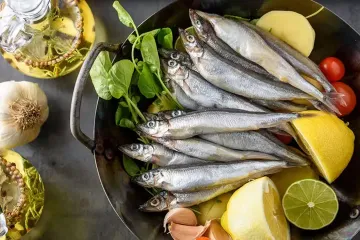
# Nutrient Density
The justification for regularly eating anchovies rests on their exceptional nutritional density. They are an "oily fish," meaning they are rich in omega-3 fatty acids like eicosapentaenoic acid (EPA) and docosahexaenoic acid (DHA). These fats are crucial because the body cannot produce them, and they contribute to lowering triglycerides, reducing inflammation, and improving blood pressure and blood vessel function, which collectively lowers the risk of stroke and heart attack. Just one 2-ounce can provides significantly more combined EPA and DHA than the same amount of salmon.
Beyond the fats, anchovies deliver substantial protein—about 13 grams in that same 2-ounce serving—which aids satiety and supports lean body mass maintenance. They are also a fantastic source of the trace mineral selenium, an antioxidant linked to heart health and thyroid function. Furthermore, they contribute important levels of Vitamin B3 (niacin), iron, and calcium. This concentration of nutrients means that even small, frequent additions to your diet yield significant health returns.
# Mercury Concerns
One common question regarding frequent fish consumption is mercury contamination. Because anchovies are very small fish with short lifespans, they are generally unlikely to accumulate significant levels of mercury, distinguishing them favorably from larger, longer-lived predatory fish. Many sources confirm that anchovies are considered lower in mercury than numerous other types of seafood. This low-mercury profile supports the idea that they can be consumed regularly as part of that recommended two-to-four-portion quota for oily fish.

# Raw vs. Cured Safety
While the mercury risk is low, the method of preparation is a critical factor in safe, frequent consumption. Eating raw anchovies carries a risk of contracting anisakiasis, a parasitic infection caused by Anisakis simplex larvae, which can cause severe gastrointestinal symptoms or allergic reactions. The parasites are effectively eliminated through cooking or freezing.
Fortunately, most anchovies found in typical grocery stores are processed in ways that mitigate this risk. The most common preparation involves gutting and curing them in salt (brining) for weeks or months, or pickling them in vinegar. These processes, which also develop the fish’s distinct flavor, typically kill off the parasites. For instance, some gourmet anchovies are naturally cured in brine for about six months. This means that the traditional canned or jarred anchovies are generally much safer regarding parasites than fresh, uncooked preparations.
# Salt Intake Management
The main downside to the commercially available, cured anchovy is its high sodium level. That same 2-ounce serving providing excellent omega-3s can deliver over 70% of the recommended daily value for sodium. For those managing blood pressure, obesity, or kidney disease, this is a major factor dictating how often they can consume them.
One simple, actionable step to reduce this is to thoroughly rinse the fillets before adding them to your dish. To go a step further in managing the salt, consider briefly soaking the rinsed fillets in cool, fresh water for about ten minutes before use, changing the water halfway through; this passive leaching can pull out additional surface salt without completely washing away the savory flavor, making them more palatable for dishes where you don't want to add extra salt elsewhere. If you opt for fresh or pickled anchovies rather than salt-cured ones, the sodium content will be substantially lower.

# Flavor and Preparation
The strong, salty flavor often associated with anchovies comes from the curing process. When properly integrated into a dish, they should not taste explicitly "fishy," but rather impart a deep, savory, meaty flavor known as umami, which enhances the existing ingredients.
When you are aiming for frequent consumption to maximize omega-3 benefits, consider how preparation changes the outcome. If you are eating them straight, look for premium options like Cantabrian anchovies, which are known for being creamier with a less powerful punch compared to standard grocery store versions. For daily or near-daily use, utilizing anchovy paste is highly convenient. Unlike whole fillets, the paste dissolves completely into sauces, soups, or dressings, distributing the umami flavor evenly without leaving behind textures that might deter less enthusiastic eaters.
Ultimately, the frequency of eating anchovies hinges on portion control balanced against health guidelines. Aiming for one or two standard servings of cured anchovies per week aligns well with the general recommendation for oily fish intake while allowing for sodium management. If you are eating them more often, focus on smaller additions—like just a couple of fillets in a large pasta sauce—or switch to less-preserved, lower-sodium preparations like those pickled in vinegar, ensuring you are consistently reaping the rewards of their omega-3s and micronutrients safely.
Related Questions
#Citations
Any Downside to Anchovies? : r/nutrition - Reddit
Health Benefits of Anchovies - WebMD
Why anchovies are awesome for you and for the planet - Jill Hannon
Are Anchovies Healthy? Here's What the Science Says - Healthline
Everything You Need to Know About Anchovies - Allrecipes
IMPORTANT INFORMATION ABOUT OUR ANCHOVIES - King Oscar
Dangers of eating anchovies - The Pharmaceutical Journal
Struggling to eat two portions of oily fish a week? Time for a rethink