Why is Karvand rarely eaten in large quantities like a typical dessert fruit?
Answer
Because of its strong flavor profile, which is often tart or sour
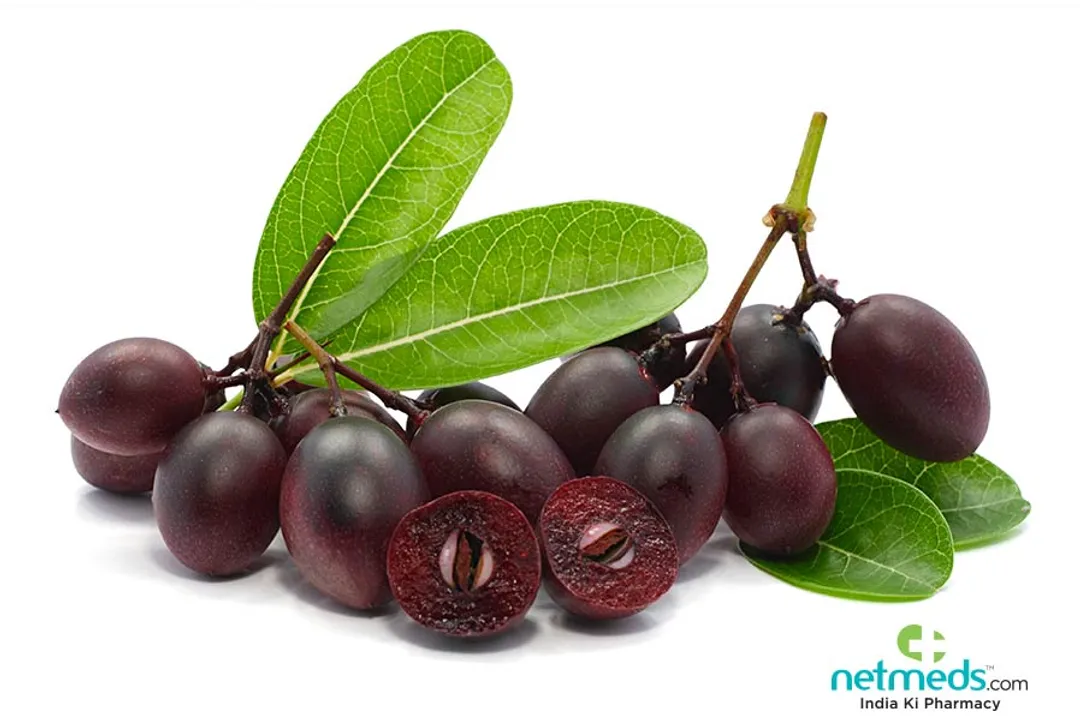
Despite packing a significant nutritional punch per serving, Karvand is not consumed in the same high volumes as fruits typically reserved for desserts. This consumption pattern is directly related to its inherent taste characteristics. The fruit possesses a strong flavor, often described as tart or sour, especially when not perfectly ripe. This intensity means that while the nutritional cargo per bite is high, the overall palatability limits intake to smaller, more measured quantities, making its dietary impact assessed on a per-serving basis rather than bulk consumption.
Related Questions
Which two vitamins is Karvand notably rich in, according to nutritional analysis?What bioactive compounds in *Carissa carandas L.* help defend against unstable free radicals?Why is Karvand rarely eaten in large quantities like a typical dessert fruit?What component in Karvand primarily supports digestive health by maintaining regularity?What necessary vision vitamin do the carotenoids present in Karvand serve as precursors for?In which traditional Indian medicine system is the utilization of Karvand deeply embedded?What potential negative effect is associated with consuming unripe Karvand fruit improperly?Vitamin C in Karvand supports skin structure by aiding what vital synthesis process?What results from the cellular damage caused by unstable molecules called free radicals?What makes a small handful of raw, ripe Karvand a potent source compared to an orange?