What are the health benefits of the White Sapote or Mexican apple fruit?
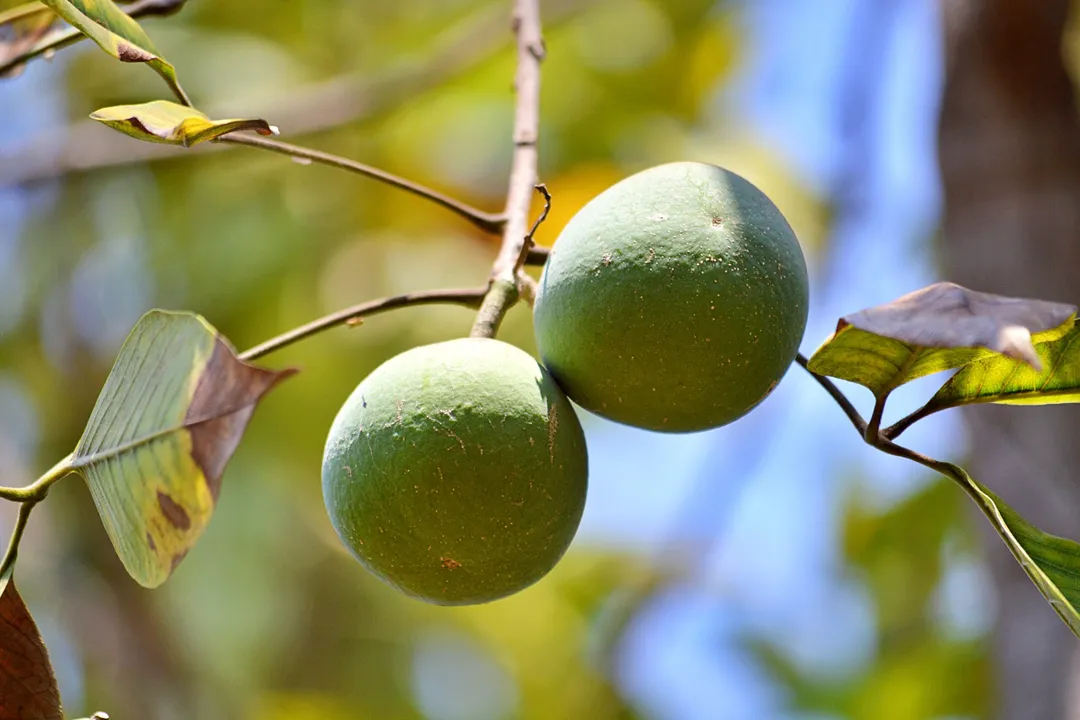
The simple, roundish fruit often called the White Sapote or Mexican Apple, technically Casimiroa edulis, is a treasure tucked away from the mainstream fruit market. While it might not grace every supermarket shelf like its more famous tropical cousins, those who seek it out are rewarded not just with a unique culinary experience, but with a genuinely interesting array of potential health advantages. It carries a historical connection to its native Mexico and Central America, where its name might be interpreted through the Nahuatl word “tzapotl,” which broadly applies to soft, sweet fruits.
# Identity Flavor
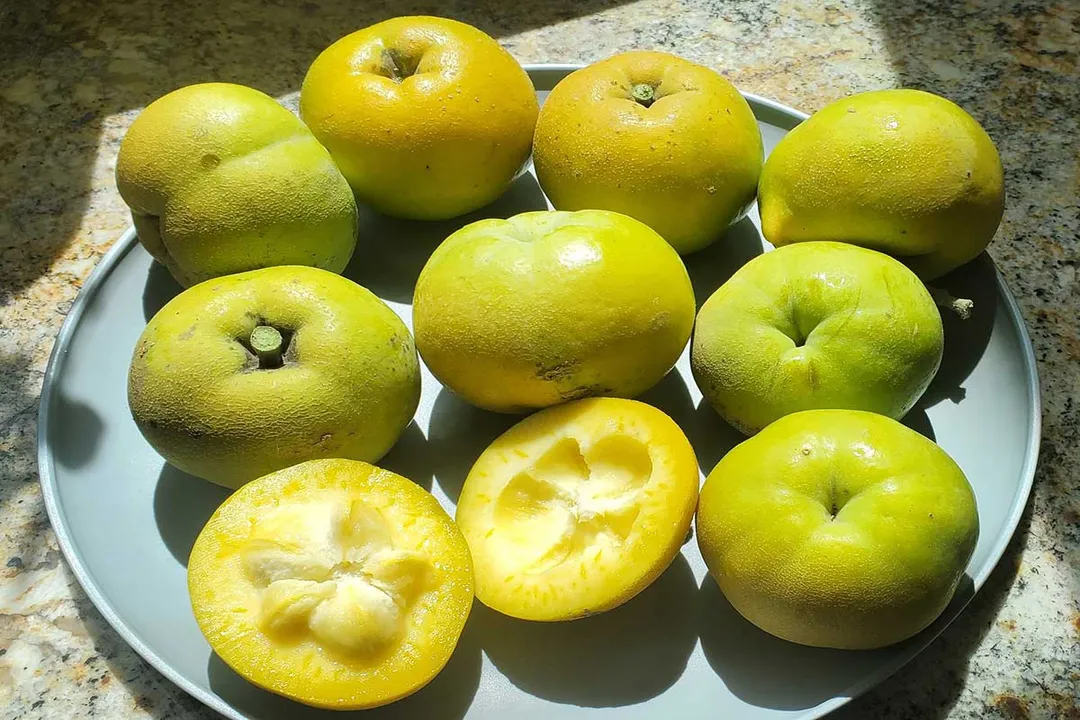
To begin, getting the name right can be slightly confusing. White Sapote belongs to the Rutaceae family, which is the same family as citrus fruits like lemons and oranges. This distinguishes it from other fruits with "sapote" in their name, such as Mamey Sapote. Visually, when hanging on the tree, it can resemble a small, unripe kiwi or a green apple. However, the true delight is inside: the flesh transforms to a creamy white or off-white color upon ripening. The texture is often compared to custard or avocado, offering a smooth mouthfeel. Flavor descriptions vary but often converge on a pleasing blend, reminiscent of peach, banana, and pear, sometimes with a hint of vanilla in the background. Some varieties, particularly the pulp near the peel, may present a slight bitterness, but generally, the fruit is sweet. Its sweet profile and creamy nature make it a natural fit for blending into beverages or dairy alternatives, like goat milk yogurt drinks, where it imparts a desirable taste.
# Nutrient Density
Beyond its agreeable taste, the White Sapote presents a noteworthy nutritional makeup that underpins its benefits. The fruit serves as a good source of key micronutrients essential for bodily functions.
One standout feature is its Vitamin C content. A single serving can contribute a significant portion of the daily recommended intake of this crucial vitamin. This is essential for various protective functions within the body. Furthermore, the fruit supplies Vitamin A, often in the form of beneficial compounds like beta-carotene. B vitamins are also present, with dried pulp analysis showing measurable levels of Thiamine (B1), Riboflavin (B2), and Niacin (B3).
In the mineral department, White Sapote is relatively rich, especially in Calcium, which is vital for skeletal health and metabolic activity. Studies on dried fruit powder indicate high concentrations of Calcium, alongside notable amounts of Zinc and Iron. Potassium and magnesium also feature in its profile, minerals which are cornerstones for proper physiological maintenance.
Considering its texture, it is interesting to note that, while many creamy fruits derive their richness from high fat, the White Sapote is generally considered low in fat. In fact, dried fruit used in food reformulation studies showed a fat content of less than 1%. This combination of creamy texture without high fat content, coupled with high carbohydrate levels—which serve as a potent energy source—distinguishes it from other smooth fruits like avocado.

# Digestive Health
The importance of dietary fiber in maintaining a healthy digestive tract cannot be overstated, and the White Sapote delivers on this front. Like many fruits, it is a good supplier of dietary fibre. This component is integral for encouraging regular bowel movements and serving as a preventative measure against common issues like constipation. Moreover, fiber supports the gut microbiome by feeding the beneficial bacteria residing there, which has downstream effects on overall immunity. When considering the fruit's composition, the inclusion of fiber—which made up over 3% of the dried material in one analysis—contributes significantly to its physical properties when incorporated into food matrices, such as enhancing water-holding capacity in fermented products.
# Immune Support Antioxidants
The body’s defenses against daily cellular wear-and-tear rely heavily on antioxidants, and White Sapote contains several types that contribute to this protective mechanism. The presence of Vitamin C immediately bolsters the immune system, equipping the body to better fight off everyday infections. Furthermore, the fruit contains flavonoids and other antioxidant compounds. These compounds work by neutralizing harmful free radicals, molecules that contribute to oxidative stress and cellular damage. By mitigating this stress, antioxidants play a role in the body's defense against chronic conditions, including potential protection against heart disease and certain cancers. The measurable Total Phenolic Concentration (TPC) found in the fruit underscores its significant antioxidant potential, which researchers have confirmed remains high even when integrated into other food systems.
# Heart Function Support
A synergistic effect of several components within the White Sapote appears to favor cardiovascular well-being. The presence of dietary fibre is helpful here as it can assist in regulating blood sugar and lowering cholesterol levels. Simultaneously, the combination of its antioxidants and fibre supports healthy blood vessel function and can contribute to lowering blood pressure, thanks in part to the presence of minerals like Potassium. While the fruit itself is not a primary source of healthy fats, the small monounsaturated fat content it does possess is noted for its potential to support healthier cholesterol profiles and promote brain health. The combination of these elements makes its regular inclusion a potentially positive dietary choice for heart maintenance.
# External Vitality Hair Skin
The benefits of White Sapote are not limited to internal consumption; its properties extend outward, particularly concerning the health of hair and scalp. The fruit itself possesses a high water content, which translates to internal hydration that can reflect in the health of hair strands, preventing them from becoming brittle or dry. This hydration helps to reduce breakage and the occurrence of split ends.
More specifically, oil derived from the seeds of the White Sapote—sometimes called "nature's oil"—is rich in fatty acids, vitamins, and minerals. When used topically, this oil acts as a natural conditioner, leaving hair feeling smoother and softer while combating frizz. The natural oils and antioxidants present in the fruit and its extracts also offer benefits for the scalp. They possess anti-inflammatory characteristics that help calm irritation and inflammation on the scalp, creating a more fertile ground for healthy hair growth. Moreover, the antioxidants present are claimed to aid in repairing damage that hair sustains from environmental aggressors like UV radiation and pollution, helping to restore shine and vitality. Whether through direct application of a pulp-based mask or through specialized hair oil treatments, the nutrient profile nourishes hair follicles from the outside in.

# Traditional Uses Sedative Effect
The utilization of White Sapote stretches into traditional medicine, suggesting effects beyond simple nutrition. In regions where it is indigenous, such as Mexico and Central America, there are claims that consuming the fruit can help alleviate the pains associated with arthritis and rheumatism. Perhaps one of its most unique documented properties is a slight sedative effect, suggesting that eating the fruit may help promote sleep in some individuals. While modern science often studies the isolated components, these traditional applications hint at bioactive compounds whose soothing or anti-inflammatory effects warrant further consideration in a broader wellness context.
# Energy Versus Fat Profile
When comparing White Sapote to other common creamy fruits like bananas or avocados, an interesting profile emerges. While it offers a pleasing, smooth texture reminiscent of these higher-fat options, its energy contribution is derived primarily from carbohydrates, with very low fat content—less than 1% in dried form. This is a valuable distinction for anyone managing fat intake while still seeking the satisfying mouthfeel that often accompanies creamy textures in food. For instance, when researchers successfully substituted a significant portion of milk fat in goat yogurt with dried White Sapote, the product retained texture and improved bioactive content while drastically lowering fat, indicating the fruit’s structure effectively mimics some textural roles of fat without the corresponding caloric density. It is a high-carb, low-fat creamy base, a combination that is relatively uncommon in the fruit world.
# Processing Impact on Bioactives
It is worth noting how the method of preparing the fruit for consumption or inclusion in other foods can influence its final health impact. The nutritional profile of the dried fruit pulp, as studied in the yogurt research, showed high levels of Vitamin C, TPC, and AOA. However, in the finished food product, the stability of these beneficial compounds over time is not absolute; for example, phenolic compounds and antioxidant activity generally showed a gradual decrease over 15 days of cold storage in the yogurt samples. This decline is likely due to the inherent instability of some phenolic compounds or their interaction with other components like proteins during fermentation and storage. Therefore, while integrating the fruit powder into a food like yogurt is an excellent way to boost overall mineral and vitamin content, consuming the fruit fresh may offer the most immediate and potent dose of easily degraded components like Vitamin C and volatile antioxidants. This suggests a practical approach: enjoy fresh fruit when possible for immediate benefits, and use dried preparations strategically to enhance mineral/fiber content in baked goods or dairy, while understanding that some bioactive levels may decline slightly during processing and storage.
# A Note on Identification
Given the ambiguity in some casual naming conventions, particularly the mention of 'Mexican sapote' tasting like apricot and sweet potato, it is important for consumers to confirm they are referencing Casimiroa edulis when seeking the specific health benefits detailed here—especially those concerning Vitamin C, fiber, and the external conditioning properties associated with the fruit pulp and seed oil. Confirming the creamy white flesh and a flavor profile closer to banana and peach is the best indicator you have the fruit commonly known as White Sapote or Mexican Apple.
The wealth of data surrounding its use in fortified functional foods, such as goat milk bio-yogurt, suggests that White Sapote is more than just a novel snack. Its proven capacity to enhance mineral and vitamin levels, increase water-holding capacity for better texture, and support the viability of probiotic bacteria makes it a highly functional ingredient. This indicates a promising avenue for future dietary innovations centered on low-fat, high-nutrient density foods.
Related Questions
#Citations
What is the benefit of White Sapote?
Plant of the Week - White Sapote - Never Ending Food
Effect of using dried white sapote fruit (Casimiroa edulis) on ... - NIH
Mexican Fruit: Benefits, Recipes, And More! | De La Calle - Tepache
White Sapote Wonders: Elevating Hair Health with Nature's Oil