Is chambakka good for health?
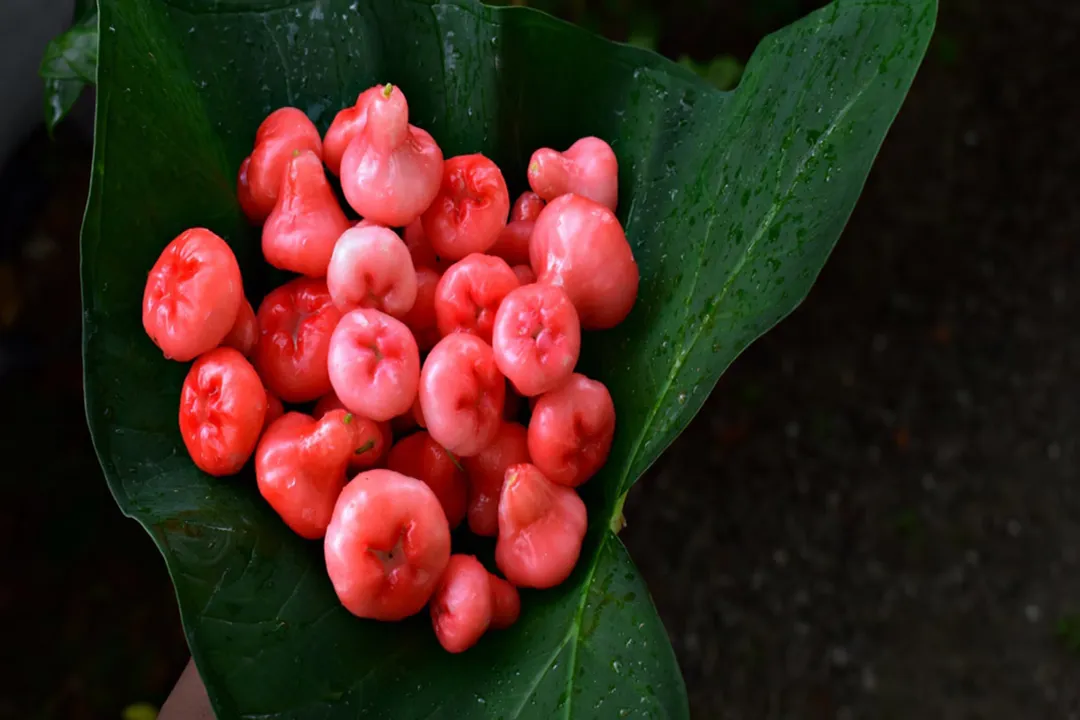
The lovely fragrance associated with the chambakka flower often precedes the knowledge of its fruit counterpart, commonly known as the rose apple or water apple, which shares an esteemed place in traditional health practices. [4] This bell-shaped, watery fruit, scientifically belonging to the Syzygium genus—sometimes specified as Syzygium samarangense or Syzygium jambos—is more than just a thirst quencher; it carries a profile suggesting several beneficial interactions with the human body. [1][4] Understanding its composition helps clarify why it has been a staple, especially in warmer climates where cooling foods are valued. [4]
# Fruit Composition
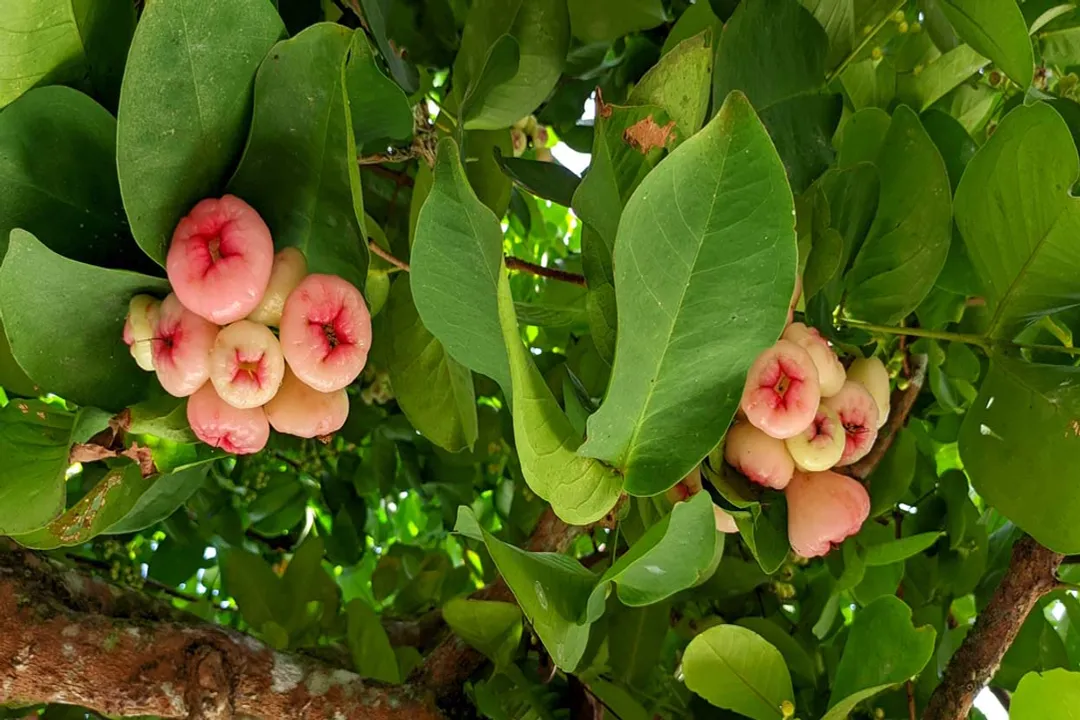
The fundamental basis for any food’s health reputation lies in what it contains, and the water apple is primarily celebrated for its high moisture content. [2][5] This feature makes it an excellent choice for maintaining internal fluid balance. [2] Beyond water, the fruit offers a decent array of essential micronutrients and dietary fiber. [1][3]
Specific nutrient highlights gathered from various analyses suggest the presence of Vitamin C, a known supporter of the immune system, and Vitamin A. [2] Furthermore, it contains important minerals such as potassium and magnesium. [2] Its nutritional density is low in calories, which is an appealing trait for those managing their weight. [1][5]
| Nutrient Area | Key Components | Primary Benefit Cited |
|---|---|---|
| Hydration | High Water Content | Combating dehydration, cooling effect [2][4] |
| Vitamins | Vitamin C, Vitamin A | Immune support, vision health [2] |
| Minerals | Potassium, Magnesium | Electrolyte balance [2] |
| Macronutrient | Dietary Fiber | Digestive regularity [1][3] |
# Hydration Power
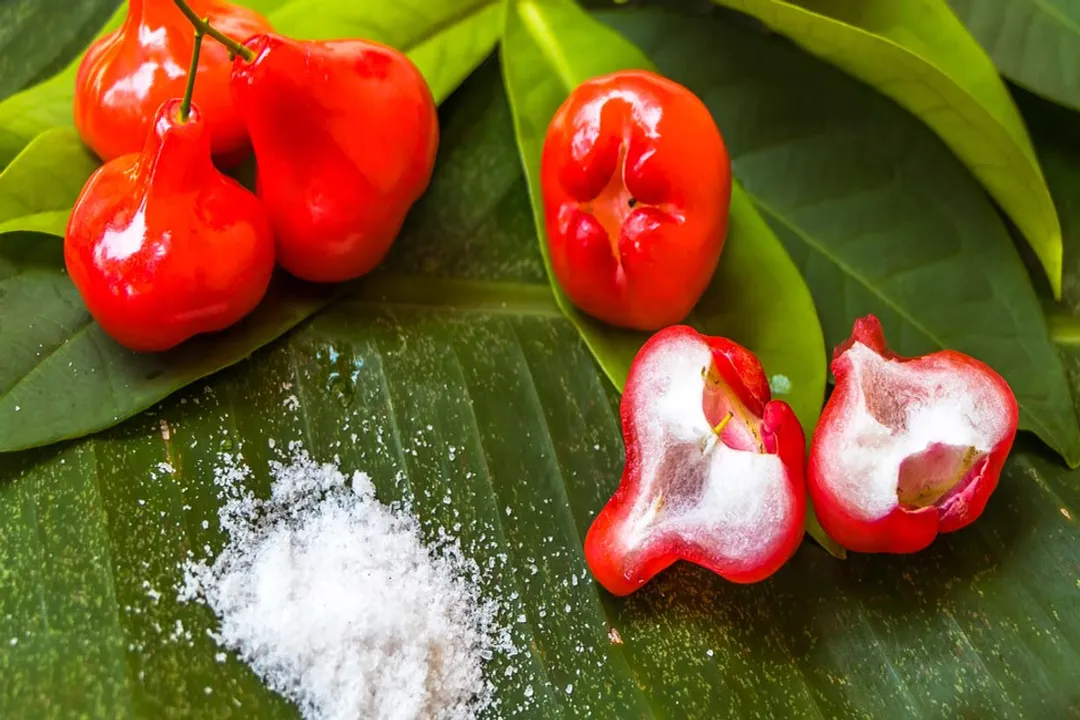
In regions battling intense summer heat, the water apple’s nature as a highly aqueous fruit becomes its most immediate benefit. [4] Consuming fruits that are predominantly water is a natural way to replenish fluids lost through perspiration, providing a refreshing alternative to plain water alone, as it simultaneously delivers small amounts of electrolytes. [2] The very name water apple underscores this primary function. [2][5]
When the heat is most oppressive, simple preparation can enhance this cooling property. Consider preparing a batch of thinly sliced chambakka submerged in cool water for an hour, perhaps adding a pinch of sea salt and a squeeze of lime, then consuming it throughout the afternoon. This mimics the efficiency of electrolyte drinks but relies purely on natural sources to aid rehydration after physical activity in the heat. [2] This approach capitalizes on the fruit's high water ratio and mineral content, making it subtly superior to plain water for rapid recovery in hot environments.
# Metabolic Support
One area where the fruit often receives attention relates to managing blood sugar levels. [8] Rose apples are noted for having a relatively low glycemic index, meaning they cause a slower, more gradual rise in blood sugar compared to many other carbohydrate sources. [8] This characteristic, combined with their fiber content, suggests a role in supporting stable glucose metabolism. [1][3]
The fiber present in the fruit is beneficial here, as it can help slow down the absorption of sugars into the bloodstream. [3][5] While these aspects are promising for general metabolic health, it is important for individuals managing conditions like diabetes to integrate fruits like the water apple thoughtfully into their overall diet plan rather than relying on them as a sole treatment. [3]
# Digestive Tract Health
Fiber is a crucial component for keeping the digestive system functioning smoothly, and the water apple delivers on this front. [1][3] Dietary fiber adds bulk to stool, which assists in regular bowel movements and can help prevent constipation. [5]
The way fiber interacts with digestion is multifaceted. For those seeking to maintain a healthy weight, fiber contributes to satiety, helping an individual feel fuller for longer on fewer calories, which is an added benefit when choosing a low-energy-density fruit like this one. [5] When comparing the typical water apple to a standard commercial apple or orange, for instance, the former often has a lower caloric load relative to its volume, meaning you can consume a larger portion for similar fiber intake, aiding both digestion and energy management goals. [1]

# Skin and Vision Benefits
The vitamins inherent in the fruit contribute to visible health benefits, particularly concerning the skin and eyes. [2] Vitamin C, for example, is necessary for collagen production, which is vital for skin structure and wound healing. [2] Furthermore, the presence of antioxidants within the fruit helps combat oxidative stress, a process implicated in aging and various chronic conditions. [1][5]
Though less detailed in the provided information, Vitamin A is often linked to good vision health. [2] By providing these protective compounds, regular, balanced consumption can support the body’s natural defense mechanisms that maintain skin integrity and visual acuity. [2]
# Traditional Context
In systems of traditional medicine, such as Ayurveda, the water apple finds its niche based on its perceived effects on the body's internal temperature. [3] It is frequently associated with cooling properties, making it a recommended food during periods of fever or high internal heat. [3][4] This traditional application aligns logically with its high water content and refreshing quality, suggesting it assists the body in temperature regulation. [4]
The medicinal applications described in Ayurvedic texts highlight the chambakka fruit’s role in managing specific imbalances, often related to Pitta dosha, which in Ayurvedic terms relates to heat and metabolism. [3] While modern science examines specific compounds, traditional wisdom has long relied on the fruit's elemental nature—its high water content and cooling effect—for immediate relief and balance. [4]

# Careful Considerations
While the benefits are numerous, it is always wise to approach any food source with a balanced view, especially concerning potential side effects. [2] The sources indicate that while generally safe, excessive consumption could lead to adverse effects in some individuals, potentially related to its fiber content or other unknown factors. [2]
Moreover, it is essential to distinguish the Syzygium samarangense group (Water Apple/Chambakka) from fruits like the African Star Apple (Chrysophyllum albidum), which is an entirely different fruit with its own unique properties. [9] Confusion between these can lead to incorrect health expectations, reinforcing the need to confirm the specific variety being consumed. [4] Generally, incorporating chambakka as a refreshing snack or part of a balanced meal supports hydration and nutrient intake without excessive calories. [1][5]
#Videos
Get glowing skin by eating Rose Apple / health benefits ... - YouTube
Related Questions
#Citations
Rose Apples: How They Can Benefit Your Health - WebMD
Water Apple Benefits, Uses, Side Effects & More - Redcliffe Labs
Water Apple: Health Benefits, Nutrition, Uses For Skin And Hair ...
The surprising truth about chambakka: The fruit you thought was ...
Health Benefits Of Water Apple - Megawecare
HEALTH BENEFITS OF THE ROSE APPLE . Detoxifies The Body ...
Get glowing skin by eating Rose Apple / health benefits ... - YouTube
Why water rose apples are a must-have - The Indian Express