Is limestone powder good for health?
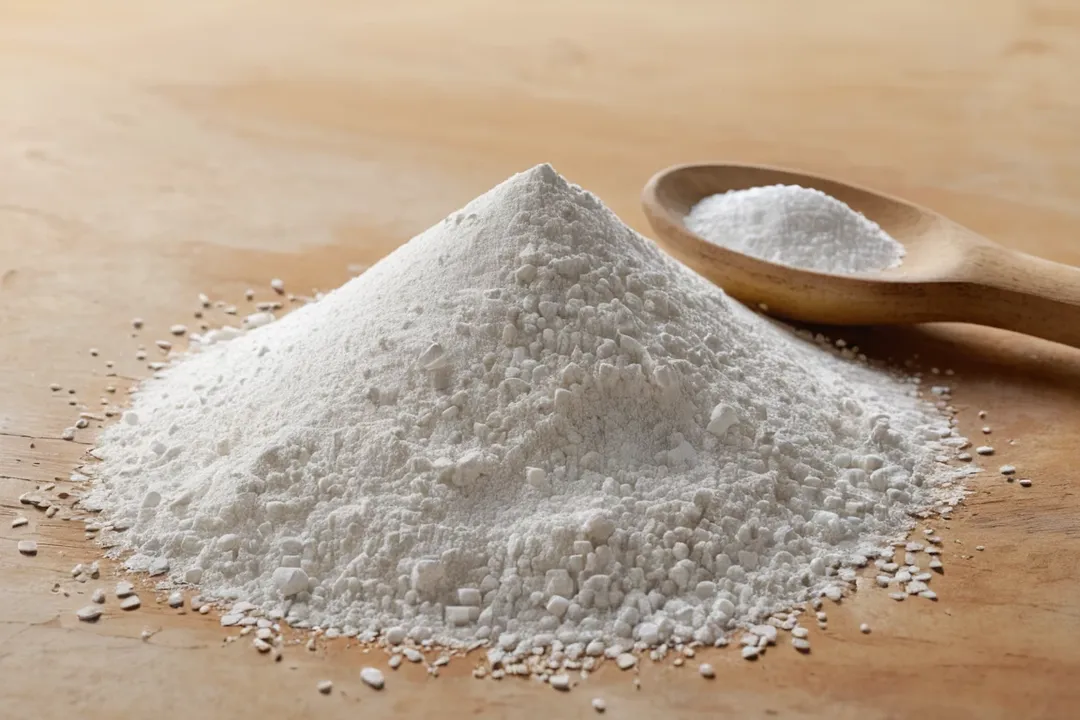
Limestone powder, primarily composed of calcium carbonate (), is a mineral substance widely recognized for its substantial contributions to industry and agriculture, yet its direct role in human health raises several important distinctions that warrant closer examination. [1][2] When considering if this finely ground rock is beneficial for the body, it is crucial to separate its industrial function from its potential as a dietary supplement, especially given the differing compositions and purities encountered in commerce. [3][9]
# Mineral Makeup
Limestone itself is a sedimentary rock composed mainly of calcium carbonate, often containing magnesium carbonate as well. [1] When processed into powder form, it serves a multitude of essential functions across various sectors. [2] The chemical makeup is key: it is rich in the element calcium, which is fundamental to biological systems. [9] Because it is readily available and relatively inexpensive, ground limestone finds its way into uses like construction materials, soil treatment, and as a filler. [2][7] In agriculture, for instance, limestone powder is applied to acidic soils to raise the level, effectively acting as a liming agent. [1][9]
# Dietary Calcium
The central point of discussion regarding health often revolves around calcium content. As a source of calcium carbonate, limestone powder contains calcium, a nutrient vital for bone structure, nerve function, and muscle contraction in humans. [9] This is where comparisons to other calcium sources become relevant. Some discussions center on whether limestone powder is a viable source of calcium for humans, similar to alternatives like eggshell powder. [3] Eggshell powder, which is predominantly calcium carbonate, is sometimes suggested as a natural dietary calcium supplement. [3]
However, the simple presence of calcium carbonate does not automatically equate to safe or effective human consumption. The efficacy of any mineral supplement depends heavily on its bioavailability—how well the body can absorb and use the nutrient. [9] While calcium carbonate is present in many commercial antacids and supplements, the source material dictates the final product's suitability for ingestion. [3] The powder derived directly from large-scale mining and processing for industrial applications is not guaranteed to meet the rigorous purity standards required for human dietary intake. [1]
If we look at the chemical side, both limestone and eggshell powder are sources of . [3] A key difference, often unspoken in general product descriptions, lies in the processing and potential contaminants associated with the raw material's origin. While a product marketed specifically for agricultural use might be graded for soil application, one intended for human supplementation (if such a product exists) must undergo stringent purification steps to remove heavy metals or other impurities inherent in geological deposits. [9]
One practical consideration for anyone assessing mineral powders for internal use is understanding the grade. For example, if one were considering a product intended to supplement calcium, a consumer should investigate whether the material is classified as food grade or pharmaceutical grade, as opposed to industrial grade limestone, which is used for road construction or aggregate production. [1][7] An unrefined, industrially sourced powder, regardless of its calcium content, might carry risks related to particulate matter or associated mineral contamination that standard food supplements are tested against. [4]
# Ingestion Warnings
Public discourse around touching or consuming limestone products often yields cautionary advice, suggesting awareness of potential hazards. In some cultural contexts, there are traditional associations with chuna (slaked lime or calcium hydroxide, ), which is chemically different from pure limestone () but related via processing, and consuming it is associated with both benefits and drawbacks. [8] While the user is asking about limestone powder (), the warnings circulating online highlight a general public sensitivity towards ingesting alkaline mineral dusts. [4][8]
Direct warnings about touching limestone powder as a child have been noted in informal discussions, suggesting potential skin or eye irritation from fine particulate matter or the inherent alkalinity of some forms of lime products. [4] Even if chemically inert for ingestion in pure form, the physical nature of a fine powder can pose respiratory risks if inhaled frequently or in large quantities. [5]
The safety profile, therefore, is highly dependent on the exact chemical identity and purity. Calcium carbonate itself is an active ingredient in many over-the-counter medications designed to soothe heartburn by neutralizing stomach acid. [3] This function demonstrates that the calcium carbonate component, when appropriately sourced and pure, is generally recognized as safe for specific, controlled internal uses. [3] The contrast here is stark: a material used safely as an antacid in tablet form might be considered unsafe if ingested as a bulk, unverified powder due to unknown contaminants or excessive concentration. [1][9]
# Wider Applications
The significant value proposition of limestone powder lies outside of direct human supplementation. Its economic importance stems from its abundance and chemical reactivity in bulk. [2]
Consider the agricultural sector, where soil health is paramount. By applying ground limestone, farmers adjust the soil which in turn affects nutrient availability for crops. [1] This is not a direct health benefit to the consumer, but an indirect one through improved crop yield and quality by creating a better growing environment. [9]
In construction, limestone acts as a foundational material, contributing to the production of cement and as a raw material for manufacturing lime, an essential building component. [2] These uses rely on its physical properties—hardness, abundance, and chemical composition—rather than its biological compatibility. [7]
Here is a summary contrasting its primary roles based on the provided information:
| Application Area | Primary Function | Required Purity/Grade Implication |
|---|---|---|
| Agriculture (Soil) | adjustment, nutrient supply [9] | Industrial grade often sufficient; focus on particle size and reactivity [1] |
| Medicine/Antacid | Acid neutralization (as purified ) | High purity, pharmaceutical or food grade absolutely necessary [3] |
| Construction | Aggregate, cement production [2] | Physical characteristics and bulk volume are prioritized [7] |
It is worth noting that the sheer volume of limestone used in infrastructure and agriculture dwarfs its potential use as a dietary supplement, which naturally shifts regulatory and safety focus toward the bulk industrial handling procedures. [2]

# Grade Quality
When discussing any mineral powder—whether for dietary, agricultural, or industrial aims—the grade defines its suitability and potential health impact. A critical insight that stems from reviewing these diverse applications is that the term "limestone powder" is an umbrella term for materials with vastly different safety profiles. [1][9] For instance, the presence of silica, iron oxides, or other trace elements common in mined rock can shift from being an inert part of soil amendment to a genuine hazard if consumed orally or inhaled repeatedly. [5]
This brings up an actionable tip for consumers concerned about mineral intake from any geological source: always seek certification of analysis if considering a product for internal use, even if it is chemically similar to a recognized supplement. Look for labeling that explicitly states "Food Grade," "USP Grade," or includes data on heavy metal testing (like lead or arsenic content) to ensure that the calcium you are receiving is not accompanied by unwanted mineral baggage acquired during extraction. [3] Without such verification, the health risk posed by an uncharacterized powder likely outweighs the potential calcium benefit derived from the content. [4] Therefore, its health value is entirely conditional upon its preparation and purity, which separates a known supplement from an industrial byproduct.
Related Questions
#Citations
Limestone Uses, Benefits, and Side Effects
Limestone Powder: Essential Mineral for Various Uses
Is limestone powder (CaCO3) a good source of calcium for humans ...
Why, when I was a child was I warned not to touch limestone and if I ...
Chronic respiratory symptoms among workers at a limestone factory ...
Is ground limestone okay for an ingredient? - Facebook
7 Surprising Uses for Limestone Powder You Need to Know
Limestone: Uses, Benefits, and Side Effects
Hi Calcium Limestone 5 Pounds for Strong Root Growth, Nutrient ...