Is longan good for your health?
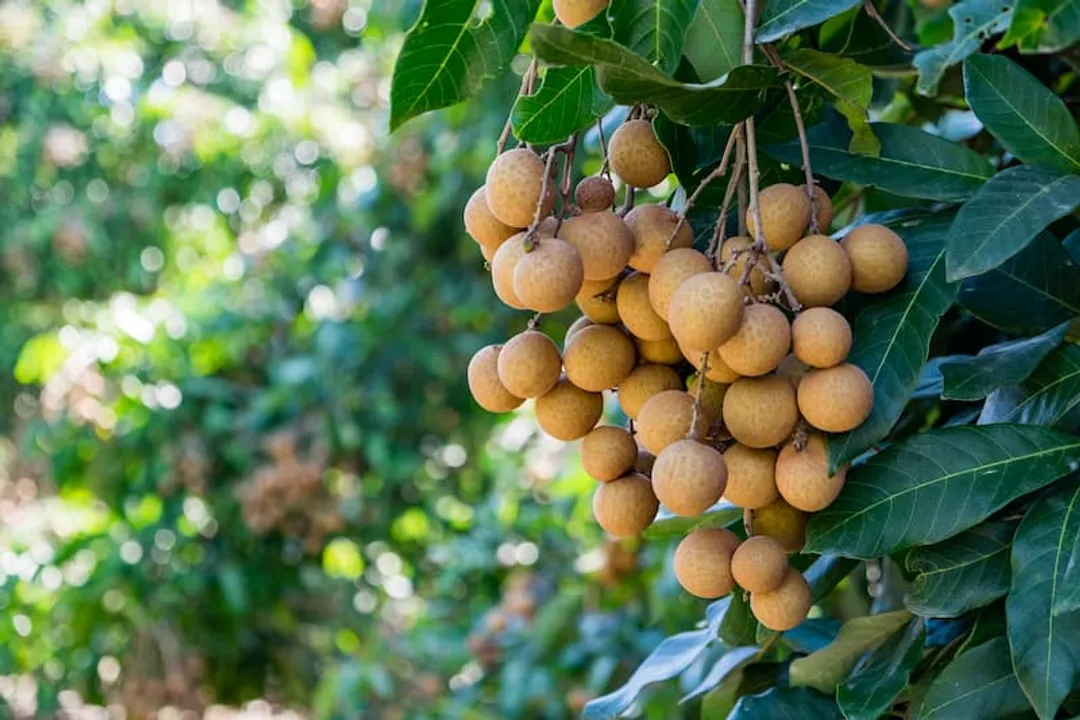
The small, sweet fruit known as longan, or “dragon’s eye,” offers more than just a refreshing, musky sweetness reminiscent of a grape. [1] This tropical treat, which belongs to the soapberry family alongside its cousin, lychee, [2][4] has been deeply integrated into traditional practices for centuries, particularly in China, where it is regarded as a natural tonic. [9] Understanding its composition reveals why this fruit, despite its diminutive size, warrants a closer look in any health-conscious diet.
# Tropical Gem
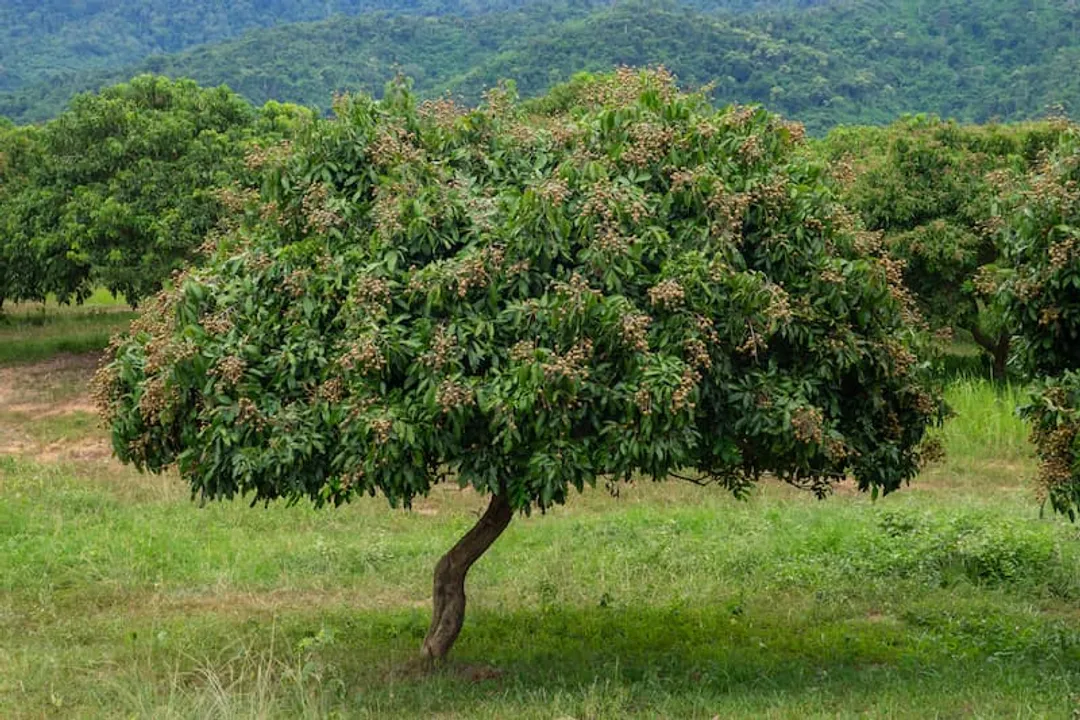
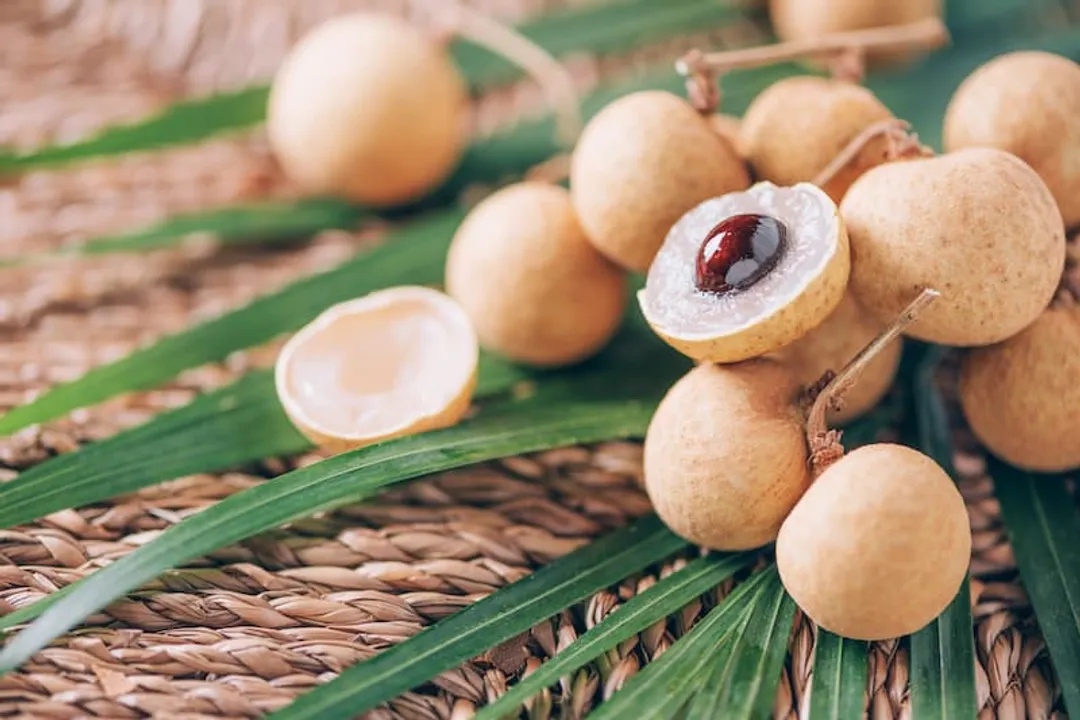
Longan, botanically Dimocarpus longan, gets its evocative nickname because the pale, translucent flesh cradles a dark, round seed, creating an appearance that resembles an eyeball. [1][2][3] While it shares close ancestry with lychee, many describe longan as being less aromatic and having a milder, perhaps more honey-like sweetness. [1][2][4] It grows in clusters on evergreen trees, native to regions spanning from India and China across Southeast Asia. [1][2] The fruit’s thin, leathery, tan shell is easily peeled to reveal the edible portion. [2]
The preparation is straightforward: gently crack the shell, remove the juicy flesh, and discard the non-edible seed. [2] While best enjoyed fresh, it is also commonly found dried or canned, though preparation methods affect its nutritional profile. [4][7]
# Nutrient Snapshot

When we look at the building blocks of fresh longan, its potential health contributions become clearer. It is recognized as being relatively low in calories and fat. [1][5] A serving size of about 20 fresh pieces typically provides around 38 to 60 calories, depending on the exact measurement source used. [4][3][5] This makes it a tempting, naturally sweet choice when managing overall calorie intake. [1][5]
The fruit is dense in several key micronutrients. It is an excellent source of Vitamin C, [1][4][5][7] often providing a substantial portion of the daily recommended value in a standard serving. [4][5] Beyond Vitamin C, longan supplies a range of B-vitamins, including Riboflavin (B2). [1][5][7] Essential minerals are also present, notably potassium, along with trace amounts of copper, magnesium, phosphorus, iron, zinc, and manganese. [1][3][5] The presence of antioxidant polyphenols, such as gallic acid and ellagic acid, further adds to its appeal as a wellness food. [1]
It is useful to note the concentration change when consuming it dried. Because the water content is removed, dried longan becomes significantly more concentrated in calories and carbohydrates per ounce compared to its fresh form. [5][8]
# Immunity Defense
A major benefit attributed to longan stems directly from its Vitamin C content. [5] This vitamin is fundamental to maintaining a strong immune system. [1] Vitamin C is vital for the proper function of immune cells, aiding in the production of white blood cells that defend the body against pathogens. [1][5] Furthermore, the fruit exhibits documented anti-microbial properties that are folklorically and anecdotally used to guard against common issues like the cold or a sore throat. [1]
The fruit’s general antioxidant activity also plays a supportive role. Antioxidants work by neutralizing unstable molecules called free radicals, thereby lowering oxidative stress and protecting cells from damage. [1][5] While specific research on longan is ongoing, the general principle holds: obtaining antioxidants from whole food sources like this fruit is widely suggested as beneficial for overall defense mechanisms. [5]
# Calm Mind
Longan has a long-standing reputation in Traditional Chinese Medicine for promoting tranquility and aiding sleep. [2][9] Modern understanding suggests that compounds within the fruit may possess anxiolytic activity, which helps reduce the body's stress response. [1] Specifically, fruit extracts may help decrease levels of cortisol, the primary stress hormone. [1] By calming the nervous system and reducing feelings of restlessness or anxiety, longan can contribute to improved sleep quality and duration. [1] This traditional use for calming the mind and easing fatigue is something many modern consumers look for in their evening routines, perhaps making a warm cup of dried longan tea a pleasant nightly ritual. [9]
This action on the nervous system also extends to cognitive support. Some sources suggest that longan may help improve memory and concentration, potentially by helping to clear 'brain toxins'. [1]
# Circulation Support
Maintaining healthy blood pressure and circulation is another area where longan’s mineral content can make a difference. [4][5] The fruit is a source of potassium, a mineral crucial for regulating fluid balance and counteracting the negative effects of sodium on blood pressure. [1][4] Adequate potassium intake is linked to a reduced risk of stroke, as it assists in dilating and relaxing blood vessels, thereby promoting smoother blood flow. [1][4]
Additionally, longan contains iron. [3][9] While the amount may be trace compared to other iron-rich foods, iron is essential for creating healthy red blood cells, which carry oxygen throughout the body. [3][9] Improving iron absorption and supporting blood flow helps prevent issues like anemia and general weakness or dizziness. [3][9] The Vitamin C present also supports this by helping the body absorb iron from plant sources. [7] Furthermore, the fruit's antioxidants may help reduce the stiffening of the arteries, a feature sometimes associated with cardiovascular issues. [4]
# Moderation Check
While longan is nutrient-rich, consumption requires awareness, especially concerning its natural sugar content. [3][7] Since longan is naturally sweet and relatively low in fiber compared to some other fruits, eating very large quantities in one sitting could potentially cause a spike in blood sugar levels. [1][5] This is a key consideration for individuals managing diabetes or watching their carbohydrate intake. [3][5] A practical guideline for those monitoring sugar is to limit a single fruit serving to around 15 grams of carbohydrates, a benchmark fresh longan often meets within a standard portion. [4]
Another point for consumers to note is the preservation method. If you are purchasing dried or canned longan, always check the label for added sugars in syrup or sulfur dioxide (a sulfite preservative), which can trigger adverse reactions in sensitive individuals. [2][5] In Traditional Chinese Medicine, longan is categorized as a "warming" food, and practitioners sometimes advise against excessive intake if a person exhibits signs of "internal heat". [2]
If you are incorporating longan into your routine for the first time, especially if you have pre-existing conditions, it is wise to start small. For instance, those concerned about blood sugar spikes should always prioritize the fresh fruit over the dried version and consider pairing it with sources of protein or healthy fats to slow down sugar absorption. [7] This practice—balancing sweet fruit with other macronutrients—is a good habit to adopt for steady energy throughout the day, regardless of the specific fruit chosen. [7] To counteract the "warming" nature noted in TCM and ensure a broader spectrum of benefits, consider pairing your longan snack with something cooling, like fresh mint or a slice of cucumber, for a more balanced refreshment. [2][9]
Overall, longan is a delicious, hydrating fruit packed with Vitamin C and balancing minerals like potassium. [1][5][7] When consumed thoughtfully as part of a varied, balanced diet, this "dragon's eye" fruit is certainly good for supporting general wellness from immunity to stress management. [9]
Related Questions
#Citations
Health Benefits of Longan - WebMD
Longan (Dragon's Eye): 4 Benefits, Nutrition, and Risks, - Health
Health Benefits of Longan | Vinmec
Longan Fruit vs. Lychee: Which Fruit Is Better? - Healthline
Longan: Health Benefits, Uses, Growing Tips - Gardenia.net
Longan Fruit: Research-Backed Health Benefits and Nutrition
Longan: Leverage The Outstanding Benefits Of This Nutrient-Dense ...
Longan's Secret: The Little Fruit the Chinese Call Nature's Medicine
Longan Fruit – Health Benefits, Uses and Important Facts