Is karvand fruit good for health?
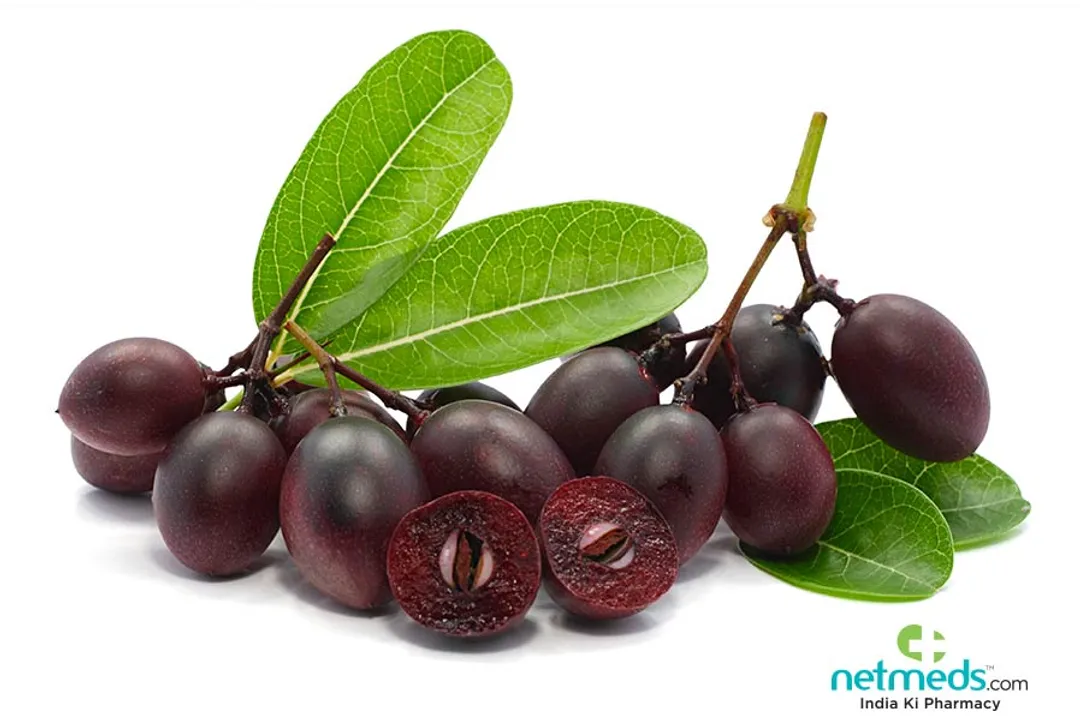
The dark, slightly oblong fruit known as Karvand, or sometimes referred to as the Black Currant of India, carries a reputation that extends far beyond its tart flavor profile. For many communities, this fruit, scientifically termed Carissa carandas L., is not just a seasonal treat but a valued component of traditional wellness practices, prompting a closer look at its actual contribution to daily health. [1][4] Understanding its potential means looking past the initial sourness to appreciate the concentration of nutrients it packs into its small, berry-like form. [6]
The Karvand fruit is native to tropical regions and is often utilized in diverse culinary forms, from raw consumption to being pickled or made into jams and jellies. [4][7] Its strong flavor means it is rarely eaten in large quantities like a typical dessert fruit, which is an important contextual point when assessing its overall dietary impact. What matters most is the nutritional cargo it delivers per serving. [1]
# Nutritional Density
When analyzing any fruit's health merits, establishing its nutritional base is the first step. Karvand is remarkably rich in several key micronutrients, particularly vitamins that are vital for bodily functions. [1][6] It stands out due to its high content of Vitamin C and Vitamin A. [1][7]
The presence of Vitamin C is significant, as this essential nutrient is crucial for immune system function and acts as an important antioxidant within the body. [1][6] Furthermore, Karvand contains notable amounts of carotenoids, which are precursors to Vitamin A, supporting overall vision health. [1] Beyond these primary vitamins, the fruit also supplies dietary fiber, iron, and calcium, contributing to its broader nutritional profile. [1][7]
If we were to compare its Vitamin C concentration to something familiar, like an orange, a small handful of raw, ripe Karvand could potentially deliver a very significant percentage of the Recommended Dietary Allowance (RDA) for an adult, making it a potent source when in season. [1] This concentration suggests that even modest incorporation into the diet can yield noticeable nutritional inputs, unlike fruits where large volumes are required for the same effect. [6]
# Antioxidant Defense
A major area where Karvand shows promise relates to its antioxidant capabilities. [2][5] The fruit contains various bioactive compounds, including phenolic compounds and flavonoids. [2][5] These elements are the body's defense mechanism against unstable molecules called free radicals, which contribute to cellular damage and chronic disease development. [2][5]
Research indicates that extracts from Carissa carandas possess significant free radical scavenging activity. [2][5] This activity is what helps mitigate oxidative stress, a state linked to aging and various degenerative conditions. [2] The synergy between the high Vitamin C content and the presence of other polyphenols makes Karvand a strong candidate for inclusion in diets focused on reducing inflammation and protecting long-term cellular health. [1][5]

# Digestive Aid
Like many whole fruits, Karvand contributes positively to digestive health, primarily through its dietary fiber content. [1] Fiber is indispensable for maintaining regular bowel movements and supporting a healthy gut environment. [7]
In traditional contexts, the fruit, even when slightly unripe, has been associated with improving appetite and aiding general digestion. [4] The slightly astringent nature often associated with raw or semi-ripe Karvand might be what prompts digestive secretions, traditionally valued in Ayurvedic formulations for managing certain gastrointestinal discomforts. [4] One actionable consideration when consuming it for digestion is to pair it with other foods, perhaps in a fresh salad or light chutney, to ensure the fiber is well-hydrated and moves smoothly through the system. [4]
# Immunity Boost
The high concentration of Vitamin C is the clearest link between Karvand and enhanced immunity. [1][6] Vitamin C is well-established in its role in supporting various cellular functions of the immune system. [6] By boosting antioxidant defenses, it also indirectly supports the body's ability to manage systemic stress, which can otherwise suppress immune responses. [2]
While not a cure for illness, regular, moderate intake of Vitamin C-rich foods like Karvand during peak cold and flu seasons can certainly contribute to maintaining robust defenses. [1] This benefit is amplified when considering that in many regions where this fruit grows, it is naturally available during seasons that might overlap with higher incidences of common infections. [7]

# Ayurvedic Roots
The utilization of Karvand is deeply embedded in traditional Indian medicine systems, particularly Ayurveda. [4] Here, the plant—including its roots, stem bark, and fruit—is prescribed for several different purposes, showcasing a broad spectrum of perceived medicinal attributes. [4]
In Ayurvedic texts, Karvand is often characterized by its properties that can balance different doshas (energetic forces) when used correctly. [4] Its fruit is traditionally utilized not just for general nutrition but also in specific formulations aimed at managing issues related to the circulatory system or skin health. [4] This historical and cultural use provides a rich context, suggesting that for centuries, practitioners have recognized more than just the immediate flavor profile of the fruit. [4]
# Vision Support
The presence of carotenoids in the fruit points toward benefits for eye health. [1] Carotenoids, such as beta-carotene, are converted into Vitamin A by the body, a vitamin critical for good vision, especially in low-light conditions. [1]
While it might not be the richest single source available, its inclusion alongside other colorful vegetables adds to the overall daily intake of these crucial fat-soluble vitamins, providing cumulative protection for the eyes against age-related macular degeneration and oxidative damage. [1]

# Consumption Cautions
While the ripe fruit offers many advantages, the method and stage of consumption are important considerations for safety and optimal effect. [4] Unripe Karvand tends to be extremely sour and astringent. [4] In traditional contexts, unripe fruits are sometimes associated with potential side effects like stomach upset or being slightly toxic if consumed improperly or in excess. [4]
Therefore, it is generally advised to consume the fruit when it is fully ripe—when it turns reddish-purple or black—as this stage usually represents peak flavor balance and reduced astringency. [4][7] When using Karvand in traditional preparations like pickles or chutneys, the addition of salt, sugar, and spices serves not only to enhance flavor but also to process the fruit in a way that neutralizes potential harshness and aids in preservation. [4]
A practical approach for readers unfamiliar with the fruit is to start with very small, measured amounts of ripe fruit, perhaps mixed into yogurt or a smoothie, before attempting to eat it raw on its own. This controlled introduction helps gauge personal sensitivity to its strong flavor and unique composition. [7]
# Skin Health Benefits
The antioxidant and vitamin load of Karvand extends its protective effects to the largest organ: the skin. [6] The ability of Vitamin C to support collagen synthesis is vital for maintaining skin elasticity and structure. [1][6] Simultaneously, the internal defense against free radicals provided by the fruit's polyphenols helps the skin ward off environmental damage from pollution and UV exposure. [2][5]
Regular intake of antioxidant-rich foods often correlates with slower visible signs of aging on the skin, as the cellular repair mechanisms are better supported. This protective quality, whether sourced from the raw fruit or from processed forms like jams, contributes to overall dermal vitality. [6]
Related Questions
#Citations
Tremendous Health Benefits Of The Black Currant Fruit
Exploring the nutritional and sensory potential of karonda fruit
Health Benefits of Karonda
Karonda (Black Currant): Benefits, Uses, Side Effects & More
Karonda (Carissa carandas L.): A miracle fruit with ...
Benefits of Karounda
Health Benefits of Karonda: Uses, Nutrition & Side Effects
Karonda: Nutrition, Uses, Health Benefits & Side Effects