Is eating jamun good for health?

The vibrant, deep purple hue of the jamun fruit, often called the Indian blackberry, hints at the rich concentration of healthful compounds packed within its small form. This seasonal delight, known scientifically as Syzygium cumini, has a long-standing place in traditional health practices, suggesting that incorporating it into the diet can offer numerous physiological advantages. [7][3] When considering this fruit, it moves past being just a tasty treat and becomes a subject of nutritional interest due to its unique chemical makeup and documented effects on several bodily systems. [1]
# Nutritional Composition

Jamun is not merely water and sugar; it carries a significant payload of essential micronutrients and powerful phytochemicals. It is recognized as a good source of dietary fiber, which is fundamental for digestive regularity. [2][6] Furthermore, the fruit supplies important minerals, notably iron, and a healthy dose of Vitamin C, a well-known contributor to immune defense. [2][3]
The real star, however, lies in its polyphenols and antioxidant capacity. [1] These compounds are responsible for the fruit's characteristic color and its ability to combat oxidative stress in the body. [1] Specific bioactive components like ellagic acid are present, contributing to its overall therapeutic profile. [1] When comparing jamun's anthocyanin concentration to some globally popular berries, one can observe that the intensity of its pigment often correlates with a higher density of these protective substances, making the fruit a potent, local source of defense against free radicals. [1]
# Sugar Management

Perhaps the most frequently highlighted benefit of jamun relates to its positive influence on blood sugar levels, making it a fruit often discussed in the context of diabetes management. [3][7] Several compounds within the fruit work in different ways to support metabolic balance. Traditional uses point to its potential to help reduce elevated glucose levels. [2][7]
The mechanism often involves the fruit's ability to affect the way the body processes carbohydrates, sometimes leading to a decrease in the amount of starch converted to sugar. [1] The presence of fiber also plays a supportive role here, as fiber generally helps slow down the absorption of sugars into the bloodstream. [2] While the fruit itself contains natural sugars, its overall profile suggests a beneficial interaction with glucose metabolism when consumed appropriately. [3]

# Gut Health
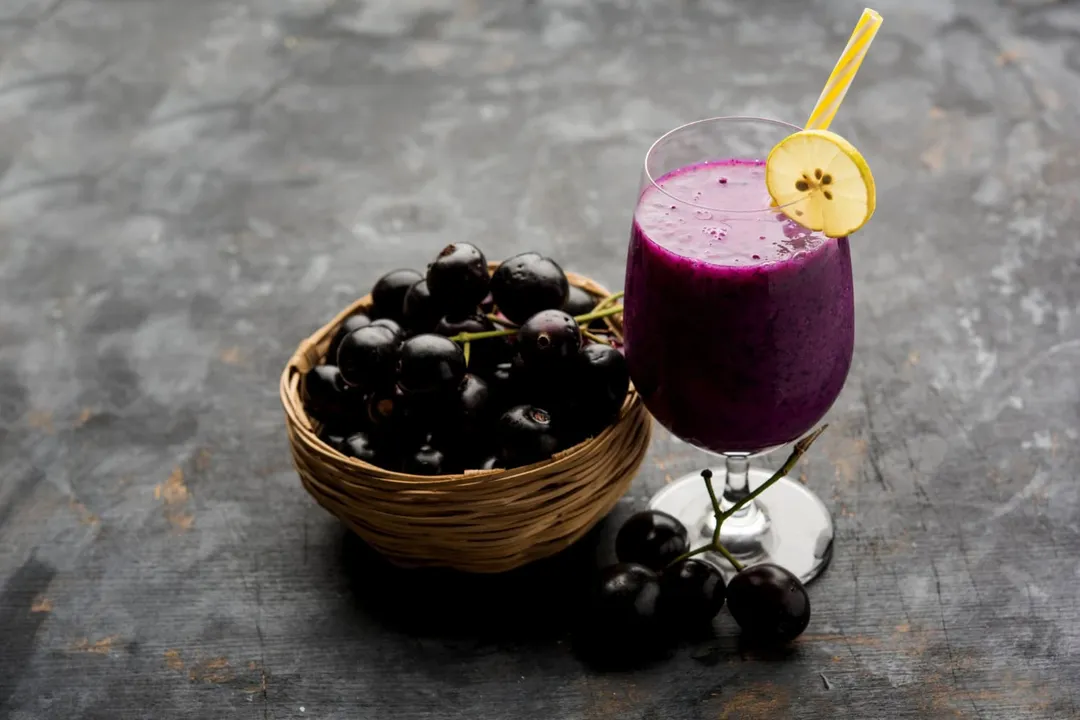
The structure of the jamun fruit makes it an asset to the digestive tract. Its inherent astringent nature is historically valued for its benefits to the stomach and intestinal linings. [7] This astringency can help soothe the gut and, combined with its fiber content, supports smooth bowel movements. [2][7]
Fiber contributes bulk to the stool and aids in preventing issues like constipation. [2] Additionally, jamun is sometimes noted for its carminative properties, which can assist in reducing flatulence. [7] For those dealing with persistent digestive discomfort, incorporating this fruit seasonally could offer a gentle, natural way to support intestinal comfort, provided it is eaten ripe and in moderation. [9]
# Heart Support
Maintaining healthy cardiovascular function requires managing factors like blood pressure and systemic inflammation, areas where jamun may offer support. [6][1] The fruit's nutritional makeup includes elements that can contribute to regulating blood pressure. [2]
While not a replacement for prescribed medication, the regular, moderate intake of antioxidant-rich foods like jamun helps reduce the overall inflammatory load on blood vessels, which is a key factor in long-term heart health. [1] The presence of iron is also essential, as adequate iron levels help maintain healthy blood function, though an excess can be detrimental. [2][5]

# Skin and Immunity
The high levels of Vitamin C and other antioxidants found in jamun are directly linked to boosting the body's natural defenses. [2][3] Vitamin C is crucial for the production and function of white blood cells, strengthening the immune response. [3]
On the exterior, these same antioxidants, particularly those responsible for the deep purple color, work to protect skin cells from environmental damage. [1] Furthermore, the fruit is sometimes credited with improving overall skin complexion and helping to address certain blemishes or irritations due to its cleansing and antioxidant actions. [2] Its diuretic properties may also assist the body in flushing out toxins, which indirectly benefits skin clarity. [7]
# Specific Medicinal Attributes
Beyond general wellness, jamun has been traditionally assigned several specific medicinal roles. It possesses anthelmintic qualities, meaning it has historically been used to help expel intestinal worms. [7] Its diuretic function supports kidney health by promoting increased urine flow. [7] It is also mentioned in contexts related to managing conditions like Polycystic Ovary Syndrome (PCOS) in some discussions, likely due to its potential impact on metabolic hormones. [2] The fruit's inherent nature is often categorized by practitioners as anti-diabetic, astringent, and carminative. [7]

# Safe Consumption Practices
To truly benefit from the jamun's profile without inviting negative consequences, following certain consumption guidelines is necessary. [9] A foundational step, often overlooked when dealing with roadside fruit, is ensuring the fruit is thoroughly washed before eating. [9] This mitigates exposure to any surface contaminants. [9]
Another critical rule is to consume the fruit in moderation. [5][9] While beneficial, overindulgence can lead to adverse reactions. [5] It is also advised by some experts that one should avoid eating jamun on an empty stomach, as this might exacerbate digestive discomfort. [9] Ripe fruit is generally preferred for consumption. [9]
When utilizing the seed powder—often touted for its strong anti-diabetic effects—even greater restraint is required compared to eating the whole, fresh fruit. [5] Concentrated powders present a much higher dose of active compounds, necessitating careful measurement and professional guidance, especially for those with existing health conditions. [5] Always prioritize fresh fruit over relying heavily on dried or powdered forms unless specifically advised otherwise by a healthcare professional. [9]
Thinking practically about seasonality, since jamun is largely a summer fruit, a helpful approach is to consume it frequently and liberally during its short season, perhaps aiming for one or two medium servings daily, rather than trying to stockpile or consume large quantities outside of its peak freshness window. [9] This honors its natural availability cycle.
# Potential Pitfalls
Despite its many documented advantages, jamun is not without potential side effects, primarily when consumed in excess. [5][8] The transition from enjoying a few berries to consuming a large volume can quickly tip the balance toward negative outcomes. [5]
Excessive intake has been linked to several acute issues, including gastrointestinal upset and general stomach discomfort. [5] In some instances, overconsumption can lead to symptoms such as fever or vomiting. [5] More concerningly, very high doses have been associated with potential cardiovascular effects, such as causing bradycardia, or a significantly slowed heart rate, and potentially leading to a drop in blood pressure. [5][6] Individuals already managing low blood pressure should exercise particular caution. [6]
A comparison of risks shows that while the fruit pulp is generally safer in moderation, the concentrated seed powder carries a higher risk profile for metabolic disturbances if dosages are not controlled. [5] This emphasizes that "natural" does not automatically equate to "risk-free" when dealing with potent botanical compounds. [1] It serves as a good reminder that the quantity often dictates the outcome, even with nutrient-dense foods. [9]
#Videos
Jamun seeds for diabetes | Fruits for glowing skin - YouTube
Related Questions
#Citations
Astounding Health Benefits of Jamun (Syzygium cumini) toward ...
15 Health Benefits of Eating Jamun and its Nutritional Value
Purple Powerhouse: 10 Surprising Benefits of Jamun Fruit - 1mg
Jamun seeds for diabetes | Fruits for glowing skin - YouTube
Jamun Benefits: A Miracle Fruit for Diabetes & Digestion
Health Benefits of Eating Jamun (Indian Blackberry)
8 Powerful Medicinal Uses of Jamun (Indian Blackberry)
Eating Too Much Jamun? Stop Now! 5 Side Effects You Should Be ...
5 foods you should never eat with Jamun - Healthshots