Is eating Chocos good for health?
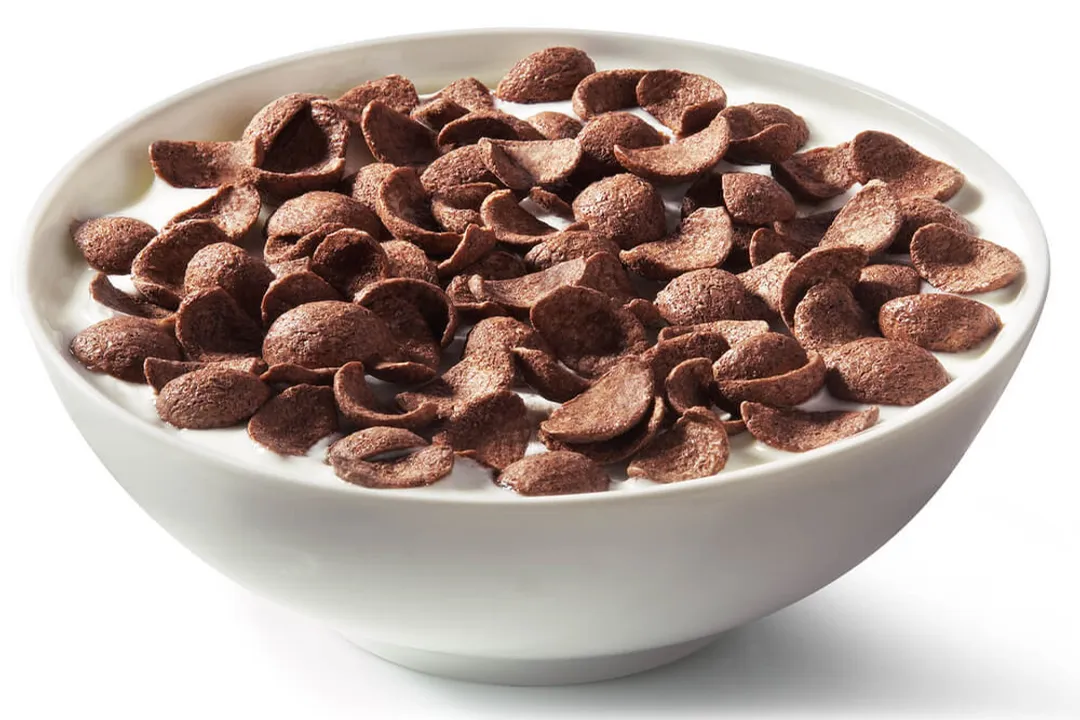
The ongoing conversation surrounding highly processed breakfast cereals, like Kellogg’s Chocos, often centers on whether they deserve a place in a regular diet, particularly for children. [7] For many, these chocolatey, bear-shaped pieces are synonymous with childhood breakfasts, favored for their taste and the way they transform milk. [3] However, when assessed strictly through a health lens, the answer requires looking past the marketing and deeply into the nutritional label.
# Ingredient Profile
Understanding the health implications starts with a straightforward look at what constitutes a serving of Chocos. Data available for this product often highlights a significant concern: the sugar content. [4] Cereals marketed toward a younger demographic frequently contain added sugars, positioning them closer to a confectionary item than a whole grain staple. [2][4] When examining the nutritional information, it is common to find that a standard portion contributes a considerable amount of daily recommended sugar intake, often surpassing what one might expect from a breakfast food. [4]
Furthermore, these cereals are typically fortified with various vitamins and minerals, a point frequently emphasized in advertising to suggest nutritional benefit. [2] While fortification can be beneficial, it does not inherently balance out other less desirable components, such as refined carbohydrates or high sugar levels. [4] The base ingredient is often corn flour, which is highly processed, meaning the natural fiber and nutrient density found in whole grains have been significantly reduced during manufacturing. [8]
# Processing Degree
The method used to create these appealing shapes and textures falls under heavy processing. Industrial cereal manufacturing involves extrusion and puffing, processes that alter the structure of the grain significantly. [8] This level of processing can result in a food product with a high glycemic index (GI). Foods with a high GI are rapidly digested, leading to quicker spikes in blood sugar levels compared to whole, unprocessed alternatives. [8]
This is where the distinction between a standard cereal and one heavily flavored and sweetened becomes important. The appeal of Chocos lies partly in its texture—crispiness that remains even when slightly softened by milk. [3] Achieving this requires specific manufacturing techniques that remove much of the original grain structure. [8] While the product is designed to be appealing and quick, the trade-off is often a low-satiety meal that might leave a person hungry again sooner due to the rapid sugar absorption and lack of substantial fiber. [4]

# Marketing Gimmicks
The health narrative associated with products like Chocos is often meticulously crafted through marketing strategies. One critique suggests that such cereals frequently use elaborate advertising campaigns that focus on fun, energy, or childhood enjoyment, sometimes masking the underlying nutritional profile. [2] Parents looking for quick, accepted breakfast options for their children often encounter messaging that implies health or essential nutrients are central to the product, even if the sugar content is substantial. [7]
When a product is positioned as a cereal, consumers naturally place it within the breakfast category, expecting sustained energy. If the primary ingredients lean heavily toward refined starches and sugars, the actual benefit derived from the energy spike might be short-lived, leading to a cycle of energy peaks and crashes. [8] This contrast between the marketed perception and the factual nutritional density is a recurring theme in discussions about heavily processed breakfast options. [2]
# Consumption Context
The question of whether eating Chocos is good for health is highly dependent on how much is consumed and how often. For a child needing a quick, palatable meal occasionally, the impact might be negligible, provided the rest of their diet is balanced. [1] However, when looking at daily or near-daily consumption, the cumulative effect of the added sugar and refined carbohydrates becomes the main concern. [1][4]
Discussions among parents frequently circle back to ideal serving sizes for young children, such as a six-year-old eating them every day. [7] Health professionals generally advise that while occasional treats are part of a balanced approach to food enjoyment, basing a daily staple on a high-sugar cereal is not ideal for long-term health metrics like weight management or stable energy levels. [1] The suggested "optimal quantity" leans toward moderation, treating it more as a flavor addition than the main component of the meal. [1]
A practical tip some nutrition-aware individuals adopt is treating high-sugar cereals like Chocos not as the main component of a meal, but as a topping or mix-in for something less processed, like plain rolled oats or unsweetened whole-grain flakes. By substituting 75% of the serving with a healthier base, you drastically cut down on the added sugar load while retaining some of the familiar taste and crunch.

# Milk Dynamics
When Chocos are consumed in their traditional manner—with milk—the overall nutritional package changes slightly. While adding milk certainly boosts the meal with calcium and protein—essential for growing bodies discussed in parenting forums—it's important to remember that the milk doesn't negate the glycemic impact of the cereal itself. [7] The actual quantity of the cereal eaten daily becomes the most significant moderator of the overall health impact, regardless of the liquid accompaniment. [1]
For example, if one portion is a standard bowl, the sugar contribution remains high. If someone prefers to eat the cereal dry as a snack, [3] they are consuming a concentrated source of sugar and refined carbs without the added hydration or nutrients provided by the milk. Therefore, the choice of liquid accompaniment is secondary to the inherent composition of the cereal piece itself.
# Alternative Considerations
When analyzing the health aspect, it is useful to compare Chocos against other breakfast staples. A bowl of plain cornflakes, while also processed, might offer a slightly different profile, though often still criticized for being low in fiber and high on the GI scale. [8] A truly health-positive breakfast would lean toward minimally processed options like steel-cut oats, eggs, or unsweetened yogurt with fresh fruit. [4]
Another consideration involves the long-term eating habit being formed. Regularly consuming something intensely sweet for breakfast may predispose an individual, especially a child, to prefer sweeter foods overall, potentially making less sweet, more nutrient-dense foods seem unappealing later on. Establishing a preference for less sugar early in life is a quiet, powerful factor in lifelong health management. If the morning routine prioritizes flavor over nutrient density, that pattern often carries forward into later food choices.
In summary, while Kellogg’s Chocos provide a familiar taste and texture and contain some added micronutrients, they are fundamentally a highly processed, sugar-forward product. [4] They are not inherently "good" for health when eaten regularly in standard portions, but they can fit into an otherwise balanced diet when consumed infrequently and in moderation, perhaps as a textural accent rather than the primary nutritional source for the meal. [1] The key takeaway remains focused on portion control and understanding that the marketing often outweighs the nutritional substance when compared to whole food alternatives.
Related Questions
#Citations
Is it good to eat Kelloggs chocos, and what is the optimal quantity?
Food Pharmer - Why Chocos is the best breakfast brand - LinkedIn
Do you prefer putting chocos in your milk or pouring milk ... - Reddit
Chocos (Kellogg's) (1 Serving) | Glucose Response - Ultrahuman
Is eating chocos good for children???? - Facebook
EP144: Chocos with Milk & My Blood Sugar Levels - YouTube
My son is 6 years old everyday he eat Kellogg's chocos so its good ...
A 330g bowl of chocos and milk packs 380 calories, making it an ...