What specific leaf shape helps characterize *Asarum canadense* in North American foraging contexts?
Answer
Heart-shaped leaves
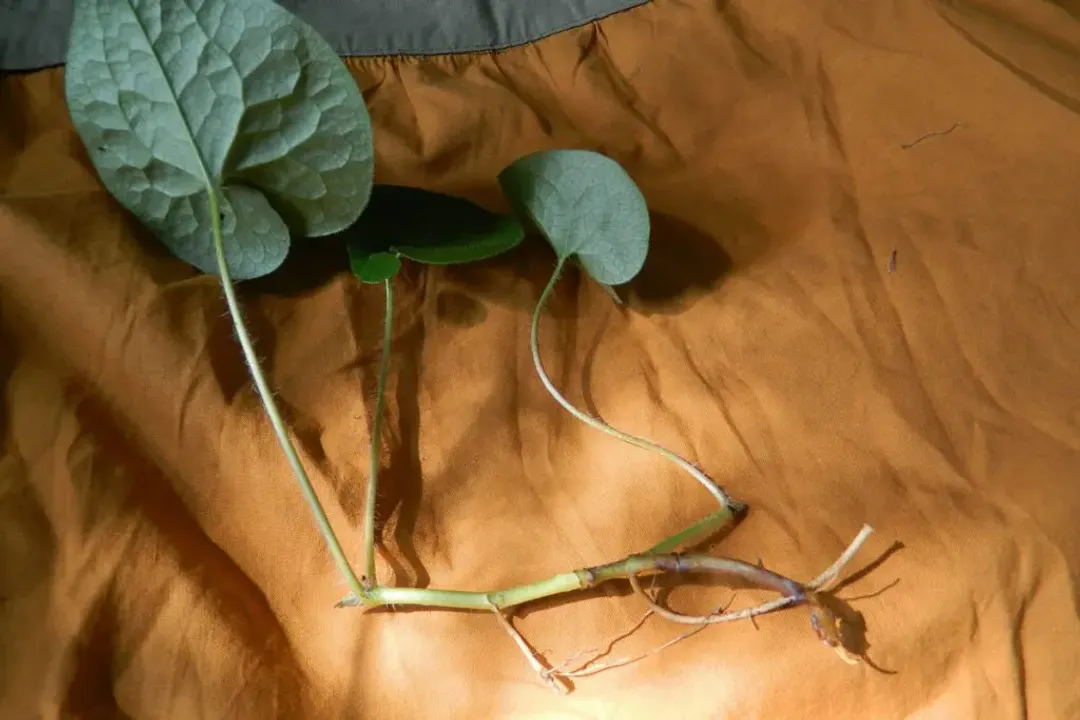
The native wild ginger species frequently discussed in North American foraging, specifically *Asarum canadense*, is often recognized visually by its heart-shaped leaves. This appealing physical characteristic, combined with its low-growing habit in woodland settings, is a major contributor to foragers mistakenly believing it might be edible or comparable to culinary ginger. However, this appearance is deceptive, as the plant contains dangerous compounds, necessitating that foragers recognize this morphology as a warning sign rather than an indicator of edibility.
Related Questions
What dangerous compound found in Asarum species is linked to severe kidney and cancer risks?Which specific toxicological outcomes are known to result from ingesting aristolochic acid?To which botanical family does the toxic North American wild ginger, *Asarum canadense*, belong?Which family identifies the tropical plant *Zingiber officinale*, the source of culinary ginger spice?How are the small, inconspicuous flowers of the native *Asarum* species typically situated?What is the key reasoning behind the FDA's strong advisory against consuming any part of the *Asarum* plant?What specific leaf shape helps characterize *Asarum canadense* in North American foraging contexts?How should a forager reframe the assessment of *Asarum* consumption to consider long-term health risks?What aspect is cited as the reason the toxic *Asarum* shares a common name with *Zingiber officinale*?What rigorous method is cited as the benchmark for safe foraging identification, especially when *Asarum* is involved?