Is it safe to consume ginger raw?
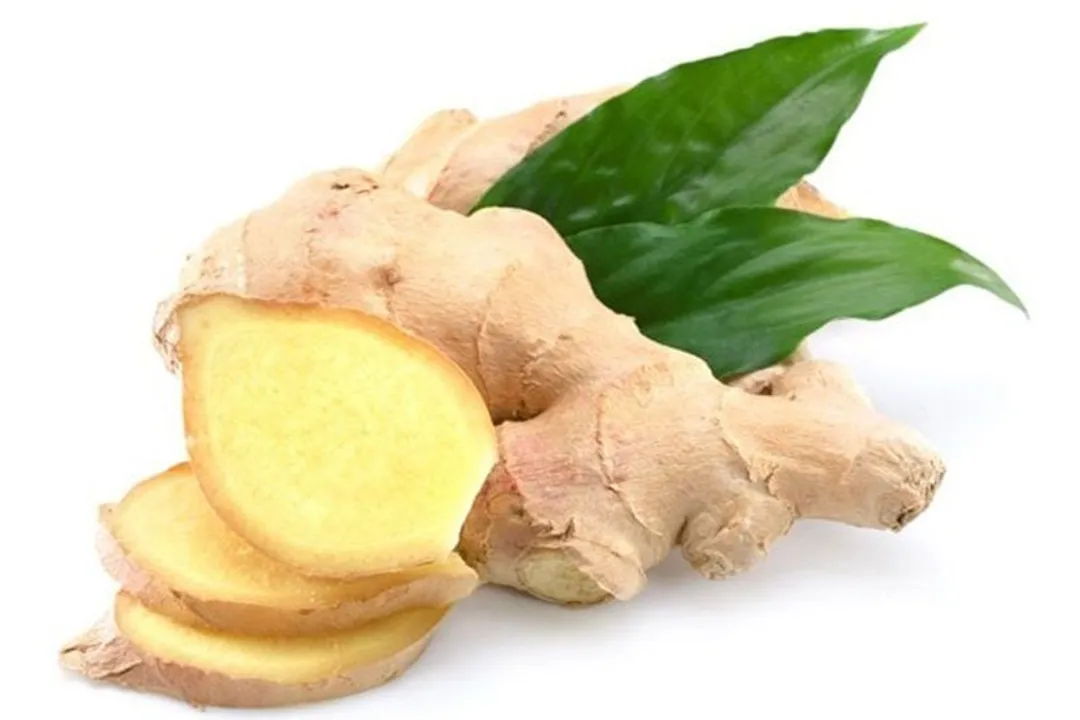
The simple act of adding fresh ginger root to your daily routine, often grated raw into tea or chopped into a meal, prompts a common and important question: Is it truly safe to consume it raw? For most people, incorporating ginger into their diet in reasonable quantities is generally considered safe and is associated with numerous potential health advantages. The root, the rhizome part of the Zingiber officinale plant, has been a staple in traditional remedies for millennia, celebrated for its spicy kick and inherent medicinal qualities.
# Gingerol Content

The core reason for ginger’s recognized therapeutic properties lies in its bioactive compounds, chief among them being gingerol. Gingerol is responsible for much of the root’s distinct flavor and smell, and research points to its powerful antioxidant and anti-inflammatory effects in the body. When considering raw consumption versus processed forms, freshness matters concerning this key element. Fresh, unpeeled ginger generally provides more gingerol than its dried or powdered counterparts. This means that raw consumption—whether minced, sliced, or juiced—may deliver the most potent dose of these beneficial compounds compared to cooked or powdered forms.
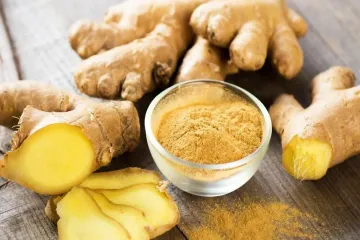
You can use ginger in many ways—freshly grated, minced, dried, powdered, or as an extract. While convenience often favors the long shelf-life of powdered ginger, remember that the concentrations are different. For instance, generally, one teaspoon of fresh ginger is roughly equivalent to only one-quarter teaspoon of powdered ginger. If you are aiming to harness the benefits associated with the fresh root, incorporating it raw into smoothies, salads, or hot water is a highly recommended pathway.
# Digestive Aid
One of the most consistent areas where ginger shows strong support is in digestive health. For those dealing with chronic indigestion, or dyspepsia, ginger can be beneficial because it stimulates digestive juices and aids in gastric motility—the speed at which food moves through the gastrointestinal tract. By encouraging efficient digestion, food is less likely to linger uncomfortably in the gut. Furthermore, ginger consumption, even at around 2000 mg daily, is suggested to help relieve general gastrointestinal discomfort, manage gas, and reduce fermentation, which are common causes of bloating. For expectant mothers, ginger remains a highly regarded, non-pharmaceutical remedy for nausea and vomiting associated with pregnancy, often referred to as morning sickness.

# Dosage Limits
While beneficial, the primary safety consideration hinges on dose. Ginger is safe for most individuals when consumed in moderation—the amounts typically found in food and recipes. Problems arise when intake becomes excessive, often associated with high-dose supplements rather than normal food incorporation. When doses become too high—some sources suggest exceeding 5 grams per day or 6 grams per day—side effects can emerge. These adverse events are typically mild and gastrointestinal, including heartburn, diarrhea, abdominal discomfort, or irritation of the mouth and throat.
An important reference point for safe upper limits comes from recommendations for cancer patients, where dieticians suggest limiting raw ginger intake to no more than 4 grams per day, which is roughly equivalent to one tablespoon. If aiming for consistent benefits throughout the day, understanding the short half-life of ginger's active components—around two hours—suggests that spreading out smaller doses might be more effective than taking one very large dose. Therefore, consuming a moderate, measured amount of raw ginger daily, such as one teaspoon grated, is likely well within safe parameters for the general population.
# Bleeding Caution
A critical risk associated with high intake, even if the dose is slightly above the standard recommended food amount, involves the blood. Ginger has been noted for its potential to reduce platelet aggregation. Because of this property, individuals taking prescription anticoagulant therapy, commonly known as blood thinners such as warfarin or aspirin, need to exercise caution. While research on this effect in humans needs further confirmation, anyone with a known bleeding disorder should limit or completely avoid ginger until speaking with a medical professional.
# Pregnancy Risks
The advice regarding ginger during pregnancy requires a cautious approach. While it is highly effective for morning sickness, experts stress the need for moderation. Some concerns exist that ingesting ginger in high quantities during pregnancy could potentially increase the risk of miscarriage. Due to this sensitivity, if you are pregnant, the recommended safe amount is often limited to about 1 gram daily, and consultation with a healthcare provider is essential before increasing consumption. The American Academy of Obstetrics and Gynecology does acknowledge ginger as an acceptable non-pharmaceutical remedy for nausea, provided usage is controlled.
# Pain Relief
Beyond immediate stomach upset, raw ginger consumption can contribute to managing chronic discomfort. It possesses properties that may help alleviate the pain and stiffness associated with osteoarthritis over time. Furthermore, it has shown effectiveness comparable to nonsteroidal anti-inflammatory drugs (NSAIDs) in relieving the severe cramping of primary dysmenorrhea (menstrual pain). Studies have indicated that women consuming ginger at the onset of their cycle experience less pain, with greater amounts potentially leading to further reduction over time.

# Metabolic Effects
For those managing metabolic health, ginger has been extensively studied for its systemic effects. High-level reviews show consistent evidence suggesting that regular ginger intake may favorably influence several key markers. Specifically, there is supportive evidence that ginger can help manage blood sugar levels by improving insulin sensitivity and reducing levels of HbA1c (a measure of long-term blood sugar control). Similarly, ginger consumption has been linked to statistically significant reductions in triglycerides and LDL ("bad") cholesterol, and an increase in HDL ("good") cholesterol, along with a possible lowering of blood pressure. While these findings are promising, particularly for individuals with Type 2 diabetes or hyperlipidemia, this type of systemic intervention often relies on consistent, measured doses, which is why standardized forms (like capsules) are often used in clinical trials.
# Daily Intake Guide
When deciding how to safely and effectively integrate raw ginger into your diet, context matters. If you are adding a sliver to your morning coffee or grating a small amount into a stir-fry, you are likely enjoying its benefits without nearing any risk threshold. For overall wellness, a standard recommendation hovers between 3 to 4 grams per day.
If your intention is to use ginger as a targeted remedy—for instance, for pain or nausea—it is always best practice to consult with a doctor or a clinical dietitian first. They can help you determine the most appropriate form and quantity, especially if you are taking prescription medications for conditions like diabetes or high blood pressure, as documented interactions are possible. As a rule of thumb, if you are using the whole, natural root, keep your daily total to what you can comfortably measure as a small slice or a teaspoon of grated root, mindful of the upper limits discussed. For example, one gram is equivalent to approximately one teaspoon of grated raw ginger.
It is insightful to consider that while many studies use encapsulated ginger to standardize the dose of active constituents, consuming it raw allows you to directly experience the flavor profile, which can be a useful cue to avoid overconsumption that might lead to irritation. A sudden shift toward a much higher intake of ginger, particularly raw ginger which is intensely flavored, can sometimes lead to immediate, noticeable gastrointestinal reactions, which might be explained as the gut adjusting to a sudden change in microbiota composition. Pay attention to that spicy "kick"—it's often a natural signal that your body has received a sufficient amount for the time being. Ultimately, for the vast majority, raw ginger is a safe, flavorful, and beneficial addition to a balanced diet when respected within established moderate intake guidelines.
Related Questions
#Citations
Ginger Benefits
Why you should consider adding ginger to your diet
What Happens If You Eat Ginger Every Day?
Ginger Health Benefits: Digestion, Nausea, and More
Why should you start your morning with a slice of fresh ...
Orally consumed ginger and human health: an umbrella ...
Ginger: Health Benefits & Side-Effects
Ginger: Health Benefits and Dietary Recommendations ...