myhealthanswer.com
Home
/
Tags A-Z
/
P
/
Poison
Poison articles
Is Ornithogalum poisonous to humans?
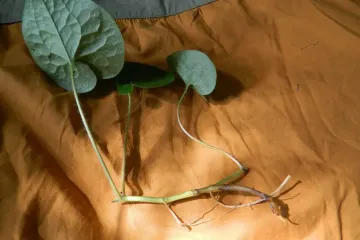
Is wild ginger poisonous to humans?
What toxic constituents are documented specifically in *Ornithogalum umbellatum*?
Which part of the *Ornithogalum* plant is frequently highlighted as particularly dangerous due to its concentrated toxins?
What cardiac symptom has been observed in livestock like cattle after consuming *Ornithogalum*?
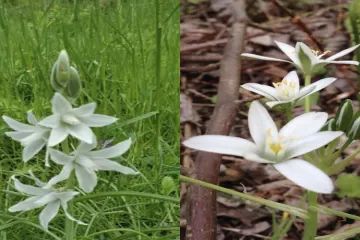
What visual marker characterizes the white, star-shaped flowers of *Ornithogalum umbellatum* on their outer surface?
What is the recommended common approach for controlling invasive *O. umbellatum* in a home garden setting?
What is the safest disposal method for excavated *Ornithogalum* clumps when local composting might not reach high enough temperatures?
Why does the hazard from *Ornithogalum* persist even after the foliage dries out for the season?
What other common spring bulbs might the six-petaled, star-shaped flower of *Ornithogalum* vaguely resemble, leading to potential misidentification?
How does *Ornithogalum* aggressively reproduce, contributing to its persistence as a garden problem?
What primary symptoms are noted in livestock after consuming the foliage or bulbs of *Ornithogalum*?
What dangerous compound found in Asarum species is linked to severe kidney and cancer risks?
Which specific toxicological outcomes are known to result from ingesting aristolochic acid?
To which botanical family does the toxic North American wild ginger, *Asarum canadense*, belong?
Which family identifies the tropical plant *Zingiber officinale*, the source of culinary ginger spice?
How are the small, inconspicuous flowers of the native *Asarum* species typically situated?
What is the key reasoning behind the FDA's strong advisory against consuming any part of the *Asarum* plant?
What specific leaf shape helps characterize *Asarum canadense* in North American foraging contexts?
How should a forager reframe the assessment of *Asarum* consumption to consider long-term health risks?
What aspect is cited as the reason the toxic *Asarum* shares a common name with *Zingiber officinale*?
What rigorous method is cited as the benchmark for safe foraging identification, especially when *Asarum* is involved?