Can a human survive a cone snail sting?
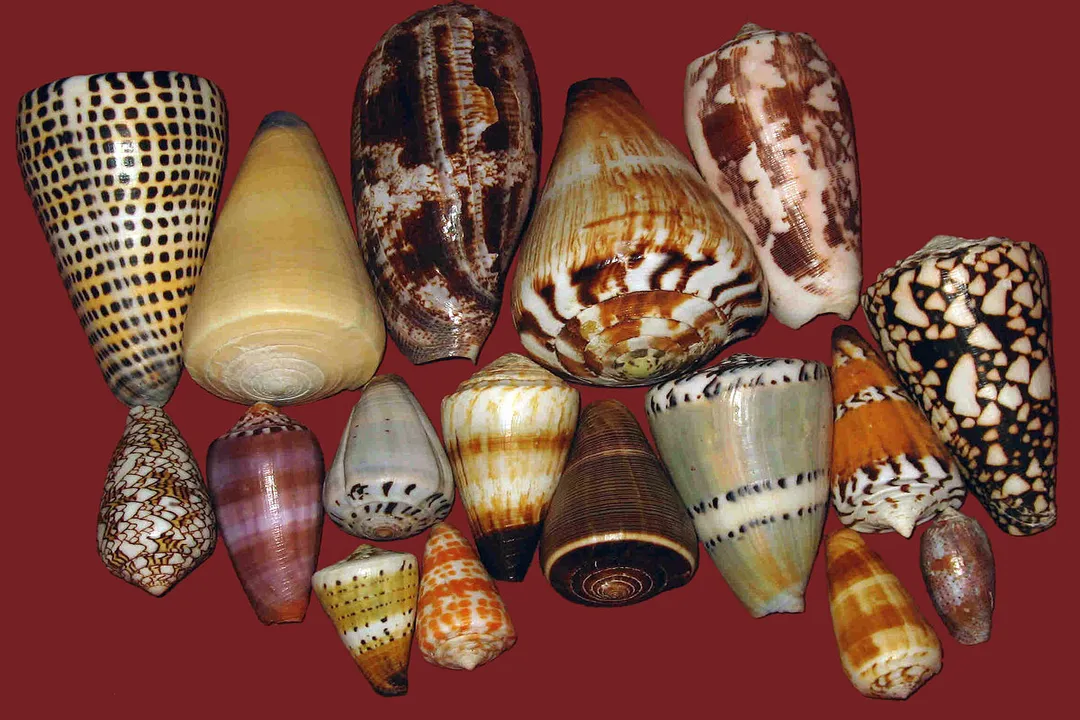
The question of whether a person can survive a cone snail sting is complex, hinging entirely on which species delivered the venom and how quickly effective medical support can be reached. These marine gastropod mollusks, belonging to the Conidae family, are far from the passive creatures they appear to be when resting on the sand or reef. [1] Their defense mechanism involves an astonishingly fast injection system: a specialized, harpoon-like tooth, called a radula, capable of delivering a cocktail of potent toxins directly into the skin or flesh of an unsuspecting victim. [1]
This defense is not passive; it is a sophisticated chemical weapon. The venom, made up of hundreds of different toxic peptides known as conotoxins, targets the nervous system, often leading to immediate and severe consequences. [1][3][9] While there are over 500 documented species of cone snail, only about 20 are considered dangerous enough to pose a serious threat to human life. [1] Still, encountering one of the hazardous species in tropical and subtropical waters worldwide means facing a genuine medical emergency. [1][8]
# The Weapon
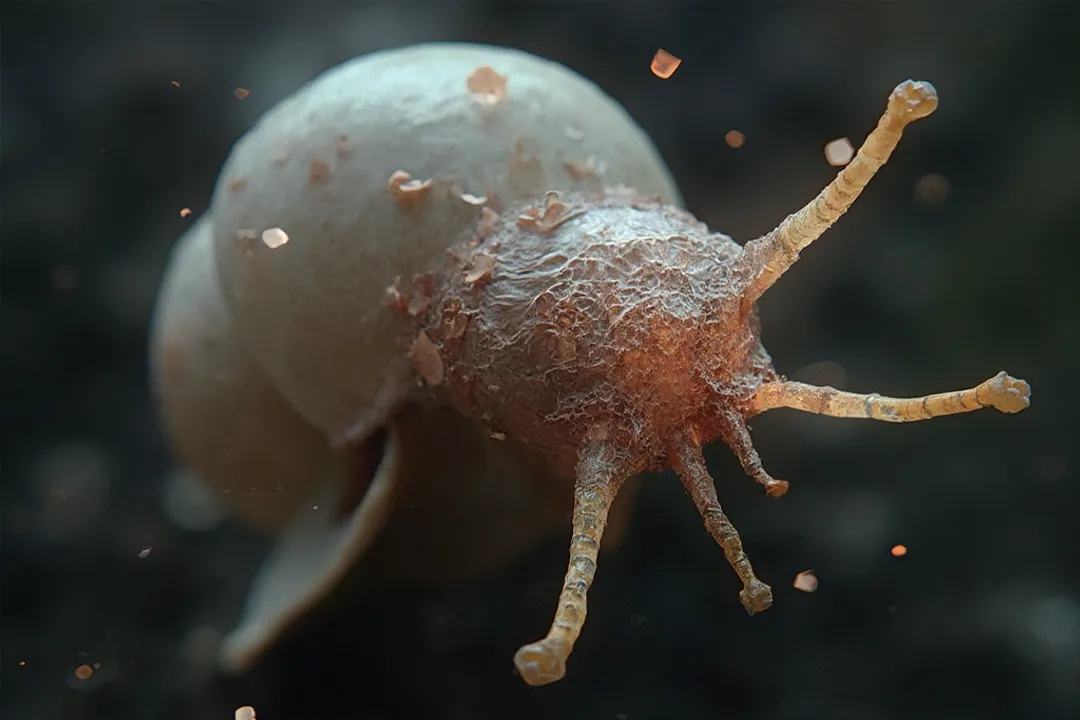
The effectiveness of the cone snail lies in its venom’s composition. Conotoxins are highly specialized neurotoxins designed to rapidly incapacitate prey, which for some species can be small fish. [1] These toxins work by blocking ion channels or receptors in nerve cells, effectively shutting down nerve signal transmission. [9] Symptoms can range from excruciating pain and localized swelling to systemic issues like difficulty breathing, muscle paralysis, and, in the most severe cases, respiratory failure and death. [3][5]
It is vital to understand that not all stings are equal. The danger level is heavily dependent on the specific species involved. For instance, the Conus geographus, sometimes grimly referred to as the "cigarette snail," has earned its name because its venom is so fast-acting that a person stung by it might only have time to smoke a single cigarette before succumbing to respiratory paralysis. [1][5] Contrast this with a sting from a less potent species, which might result only in severe, lasting pain and localized reaction, though medical evaluation is always mandatory. [3] The variability in clinical presentation underscores the difficulty in predicting the outcome purely based on the initial injury. [1]
# Survival Reality
Fatalities resulting from cone snail stings are documented occurrences, though they are generally considered rare events in the broader context of marine injuries. [5] Survivors often owe their lives to a combination of factors: the specific toxin dose received, the species involved, immediate first aid, and rapid access to specialized medical care. [3] In one reported incident involving a dive in the Red Sea, a person survived a sting from what appeared to be a dangerous specimen, highlighting that even severe envenomation does not guarantee a fatal outcome, though the experience was clearly life-threatening. [2]
When considering the risk, it’s helpful to compare it to other known ocean hazards. While we readily fear sharks or jellyfish, the cone snail is a subtle danger, often picked up by beachcombers or divers admiring its intricate shell. [8] The sheer variety of species means that someone handling a snail in a shallow tidal pool in the Caribbean might not be encountering the same chemical threat as someone prodding one off a reef in the Indo-Pacific. This variability in toxicity means that treating every sting with the utmost seriousness is the only logical approach, even if the vast majority of encounters do not lead to fatalities. An individual’s chance of survival is largely a race against the neurotoxin’s onset time and the availability of species-specific antivenom, which, unfortunately, is not universally stocked or readily available globally. [1][3]
# Immediate Measures
If an envenomation occurs, the time elapsed before intervention is critical. The primary immediate goal is to slow the spread and action of the venom, followed immediately by professional medical evaluation. [4]
The first step upon being stung is decontamination: wash the affected area thoroughly with soap and water. [4] Following this, heat therapy is strongly recommended for the painful or affected limb or area. The venom components, or at least some of them, are known to be heat-labile, meaning heat can help denature or break them down. [4] Applying a hot compress or immersing the area in water as hot as the victim can comfortably tolerate—without causing a burn—for a sustained period, ideally between 30 and 90 minutes, is the suggested protocol. [4]
This heat application requires diligence. A practical challenge in many remote tropical locations where these encounters happen is maintaining the necessary temperature for the full duration. If the initial application cools, the effectiveness drops rapidly; therefore, if possible, one should have a supply of hot water ready for replenishment to maintain the target temperature range for the required time. [4] Following initial heat treatment, urgent medical assessment is non-negotiable. Medical professionals may administer pain relief, monitor respiratory function, and, if available and appropriate for the identified species, administer specific antivenom. [4][1]
# Species Identification Challenge
A significant factor determining prognosis is the ability to correctly identify the species responsible for the sting, though this is often impossible in the immediate aftermath of the injury. [1] While some species are visually distinct, the act of being stung is often quick, painful, and chaotic, leaving the victim focused on pain rather than taxonomy. [5]
For instance, while C. geographus is the most notorious, other species like the geography cone (Conus geographus) and the marble cone (Conus marmoreus) are also highly venomous. [1] Knowing the specific conotoxin profile allows doctors to target treatment more effectively, but reliance is usually placed on supportive care (like mechanical ventilation if paralysis occurs) until the effects of the general venom wear off. [9] This gap in definitive identification often necessitates broad supportive care protocols, which underscores why prompt transport to a facility capable of managing respiratory distress is the most important secondary step after initial first aid. [4]
This difficulty in identification presents an interesting case for remote travelers or divers. If one is frequently around coral reefs in known cone snail habitats, carrying a laminated reference card showing the most dangerous local species might seem excessive, but it could provide emergency responders with the fastest clue to the required intervention, assuming the snail was not dropped immediately after the strike. [1] It moves the focus from simply recognizing a pretty shell to understanding the lethal potential of its appearance.
Related Questions
#Citations
Cone snail - Wikipedia
How lucky I am to be still alive? [Red Sea, Egypt] : r/animalid - Reddit
Cone Snail Toxicity - MD Searchlight
Wilderness: Cone Snail Sting - WebMD
Has anyone ever died from the sting of a cone snail? - Quora
Can we talk about cone snails? Because now I'm terrified…visiting ...
Cone Snails – Another Thing to Fear
Caution: Killer Cone Snails - Ocean Conservancy
Cone Snail Toxicity - StatPearls - NCBI Bookshelf - NIH