What are the side effects of alfalfa in humans?
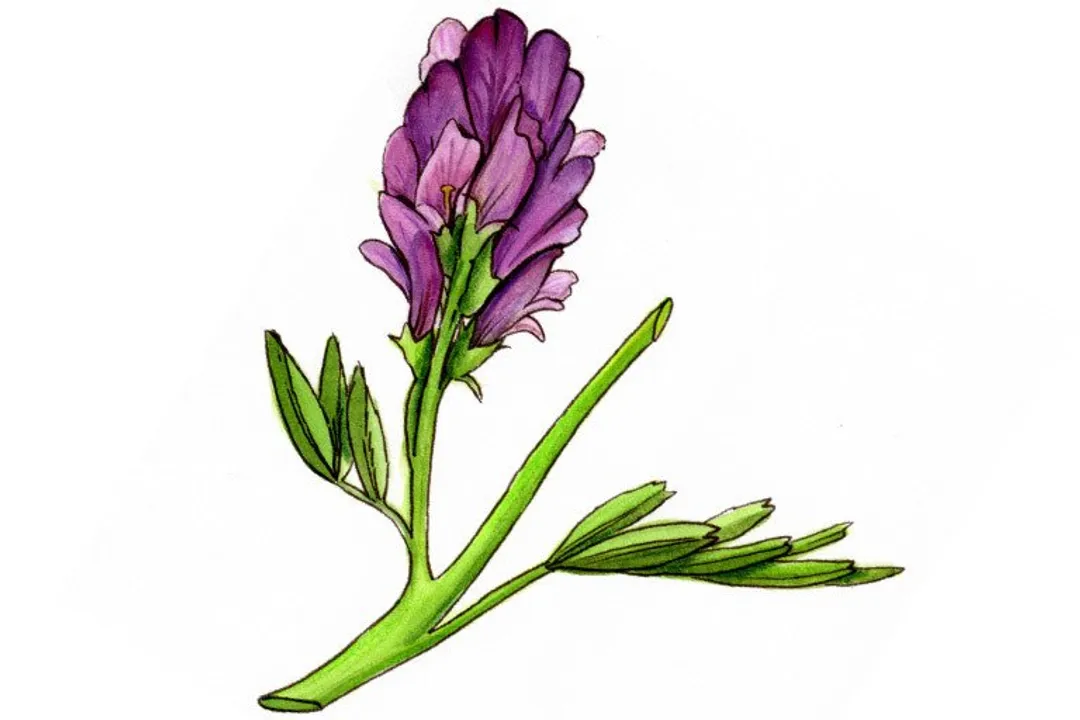
Alfalfa, known scientifically as Medicago sativa, is often celebrated in herbal and dietary circles for its dense nutritional profile, frequently being added to salads as tender sprouts or taken in powdered or tablet form as a supplement. While many people consume it for its potential to provide vitamins like A, C, E, and K, along with minerals such as iron and calcium, ingesting it in concentrated doses or raw forms is not without potential drawbacks. For anyone considering incorporating this legume into their routine beyond eating small amounts in food, understanding the associated side effects and contraindications is essential for safe consumption.
# Digestive Issues

The most immediate and commonly reported side effects from alfalfa supplementation tend to be gastrointestinal in nature. When consumed in larger quantities, whether as a supplement or even as a significant addition to the diet, alfalfa can lead to noticeable digestive changes. Users may experience an increased volume and frequency of bowel movements. More specific symptoms can include loose stools, outright diarrhea, and general abdominal discomfort or intestinal gas. This effect is often attributed to the fiber and saponins present in the plant. If a person is using alfalfa tea or extract, monitoring the digestive tract for these symptoms is a sensible first step to gauge personal tolerance.
# Sunlight Sensitivity
A specific adverse reaction associated with alfalfa use is an increased sensitivity to sunlight, known clinically as photosensitivity. If you are taking alfalfa supplements, particularly in high doses or over an extended period, your skin may react more easily to UV exposure. This means that typical sun exposure could result in quicker sunburns, rashes, or even blistering compared to usual. It is worth noting that certain medications also carry this side effect; combining them with high doses of alfalfa could compound the risk, making protective clothing and reliable sunscreen a mandatory consideration for those outdoors.
# Autoimmune Flare Risk
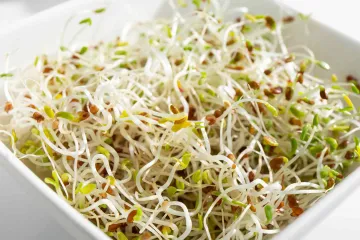
Perhaps the most serious concern for a specific subset of the population involves the immune system, centered on a compound found primarily in the seeds and sprouts: the non-protein amino acid known as L-canavanine. L-canavanine is believed to possess immune-stimulating effects. For individuals living with autoimmune disorders such as Systemic Lupus Erythematosus (SLE), this stimulation is a significant danger, as there are documented cases where alfalfa tablet consumption has led to a relapse of lupus symptoms in patients who were in remission. Animal studies have supported this connection, showing that the ingestion of alfalfa seeds can induce abnormalities characteristic of SLE. Consequently, individuals diagnosed with SLE, or other autoimmune conditions like Multiple Sclerosis or Rheumatoid Arthritis, are strongly advised to avoid alfalfa supplements entirely.
# Hormonal Considerations
Alfalfa is naturally rich in phytoestrogens—plant compounds that can mimic the effects of the human hormone estrogen in the body. While this hormonal similarity might be the basis for some traditional uses, like easing menopausal symptoms, it presents clear risks for certain groups. Anyone with an estrogen-sensitive condition—including endometriosis, uterine fibroids, or cancers of the breast, uterus, or ovaries—should steer clear of alfalfa supplementation because it may potentially encourage the growth of hormone-dependent cells. This hormonal activity also leads to caution regarding pregnancy and breastfeeding; while small amounts in food are generally considered safe, using supplements during these times is advised against due to the lack of established safety data.
# Medication Interactions
The chemical composition of alfalfa requires careful consideration if a person is on prescription medications, particularly those affecting blood clotting or blood sugar.
# Blood Thinners
Alfalfa contains significant amounts of Vitamin K, a necessary component for the body's blood clotting process. This presents a major interaction risk for individuals taking prescription anticoagulants like warfarin (Coumadin). Because Vitamin K actively promotes clotting, consuming high or inconsistent amounts of alfalfa can directly counteract the drug’s intended effect, making the blood thinner less effective and potentially increasing the risk of dangerous clotting events. Regular blood monitoring is crucial if one is taking warfarin and consuming alfalfa, though complete avoidance is often the safest recommendation.
# Other Drug Classes
The immune-stimulating potential of alfalfa means it may decrease the effectiveness of immunosuppressant drugs, such as those used following an organ transplant. Furthermore, because some animal studies suggest alfalfa can help lower blood glucose levels, combining it with prescription antidiabetic medications might cause blood sugar to drop too low, necessitating close monitoring of glucose levels.
# Contamination Hazards in Sprouts
A highly publicized risk associated with alfalfa consumption is not due to the plant's inherent chemistry but rather to microbial contamination in raw sprouts. The warm, moist environment required for seeds to germinate into sprouts creates an ideal breeding ground for harmful bacteria. Numerous outbreaks of foodborne illness, commonly involving Salmonella and E. coli, have been traced back to contaminated alfalfa sprouts in different international locations. Even alfalfa tablets have been implicated in reports of Listeria infection. While a healthy adult might recover from these infections, the risk is substantially higher for vulnerable populations, including children, older adults, pregnant women, and those with already compromised immune systems. The Food and Drug Administration (FDA) specifically advises these groups to avoid alfalfa sprouts and seed-derived supplements.
# Part-to-Whole Risk Differentiation
It's important to recognize that the risks vary depending on which part of the alfalfa plant is being consumed and the concentration involved. When considering supplements, a subtle but important distinction emerges between risks associated with the seed/sprout versus the leaf/tea. The most significant, acute risks—bacterial contamination (Salmonella/E. coli) and autoimmune triggering (L-canavanine)—are predominantly associated with ingesting the seeds or sprouts. Conversely, the risks tied to leaves or dried products (like tea or tablets) are more related to the concentration of Vitamin K (interacting with warfarin) and phytoestrogens (affecting estrogen-sensitive conditions or pregnancy). This differentiation is key when navigating personal health, as someone avoiding immunosuppressant therapy might safely tolerate an alfalfa leaf tea (where L-canavanine levels are lower) but must still manage the phytoestrogen and Vitamin K content.
For those who still wish to eat sprouts, perhaps by sprouting them at home, understanding the mechanism of contamination is vital for risk reduction. Commercially sold sprouts are frequently recalled due to seed-borne pathogens, meaning the initial disinfection process was insufficient. Home sprouters often assume that frequent rinsing washes away bacteria, but the primary vulnerability lies in the seed itself not being sterile before the sprouting process begins. A simple rinse cycle is inadequate to eliminate deeply embedded bacteria; therefore, anyone consuming home-sprouted alfalfa must maintain rigorous hygiene, recognizing that the rinsing and draining steps described in home guides are designed to manage moisture after the initial seed condition is already set. Diligence in sourcing seeds intended for sprouting and strict adherence to rinsing schedules every 8 to 12 hours are non-negotiable safety steps, not just suggestions for optimal growth.
# Other Specific Cautions
Beyond the major concerns, a few other specific issues have been noted:
- Gout: Alfalfa contains purines, compounds that can increase uric acid levels and potentially worsen symptoms in individuals suffering from gout.
- Surgery: Due to its potential effect on bleeding or clotting mechanisms (related to Vitamin K or other factors), use of alfalfa should be discontinued prior to and immediately following any surgical procedure.
- Blood Disorders: There is an isolated report suggesting that taking ground alfalfa seeds may be linked to pancytopenia, a serious blood disorder characterized by a low count of all types of blood cells.
In summary, while alfalfa is a nutritious plant, its use as a concentrated supplement requires a layered approach to safety assessment. General digestive upset is common, but specific ingredients like L-canavanine and phytoestrogens, or the inherent danger of bacterial growth on raw sprouts, necessitate that individuals with autoimmune conditions, hormone-sensitive cancers, those on blood thinners, or pregnant/nursing individuals exercise extreme caution or abstain entirely.
Related Questions
#Citations
ALFALFA – Uses, Side Effects, and More - WebMD
Alfalfa: Supplement Uses, Warnings, Side Effects, Dosage
Alfalfa: Benefits, Nutrition Facts & Side Effects - Healthline
Alfalfa | Memorial Sloan Kettering Cancer Center
Alfalfa: Health Benefits, Side Effects, Uses, Dose & Precautions
Alfalfa: Benefits, Uses & Side Effects | Gaia Herbs
Alfalfa - Clarks Nutrition and Natural Foods Markets :: HealthNotes