Is Ornithogalum poisonous to humans?
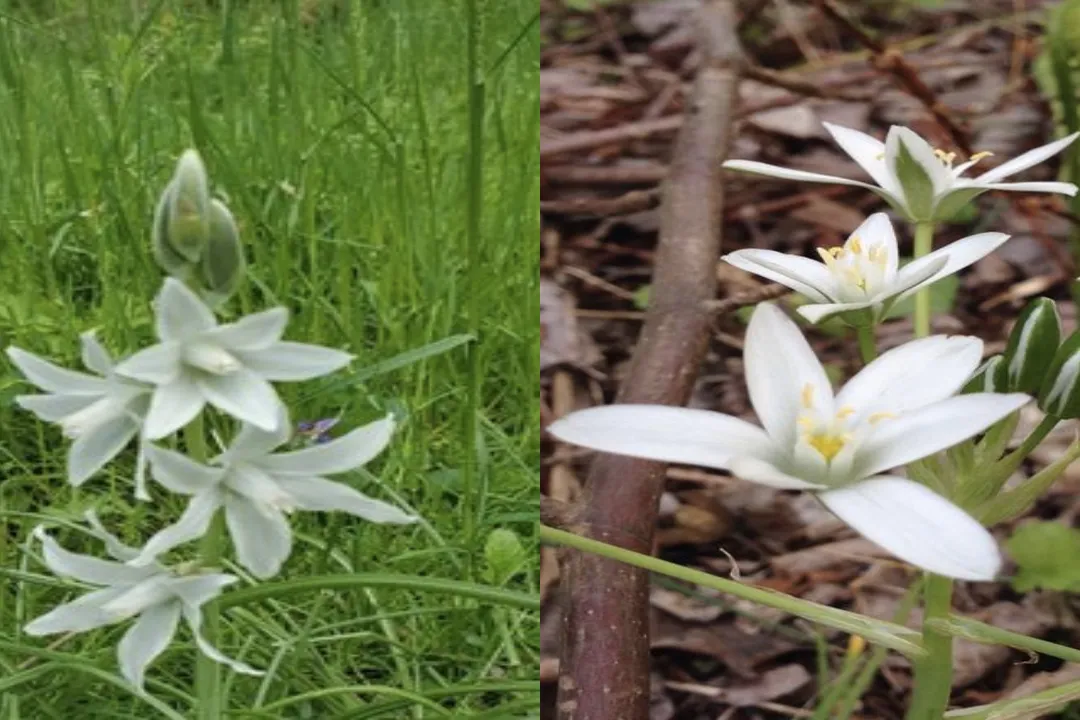
The presence of Ornithogalum species in gardens or natural areas raises legitimate safety concerns, primarily because this genus, commonly known by the evocative name Star of Bethlehem, is known to be toxic to both humans and livestock if ingested. [1][3][6] While the delicate white flowers might suggest innocence, particularly given its biblical association, the plant parts contain compounds capable of causing adverse reactions. [2][4] It is not a plant one should consider for culinary experiments or allow unchecked access to pets or small children who might put greenery into their mouths.
# Plant Toxicity
The primary concern surrounding Star of Bethlehem, across various species such as Ornithogalum umbellatum and Ornithogalum thyrsoides, stems from toxic constituents within the plant tissues. [2][4] Specifically, Ornithogalum umbellatum is documented as containing cardiac glycosides, which are substances that can affect heart function. [2] These compounds are found throughout the plant, though some parts, like the bulbs, are frequently highlighted as being particularly dangerous due to their concentrated nature. [8]
Symptoms following ingestion can vary depending on the amount consumed and the specific species involved, but generally involve gastrointestinal distress. While detailed clinical reports on human fatalities from Ornithogalum are less common in general literature compared to other highly toxic plants, the warning remains consistent: ingestion must be avoided. [1][6] Livestock, such as cattle, sheep, and horses, have shown sensitivity, experiencing symptoms like colic, vomiting, and cardiac irregularities after consuming the foliage or bulbs. [1][6] For a gardener, recognizing the potential risk requires an understanding that any part of the plant—leaves, stems, flowers, or bulbs—carries this inherent danger. [8]
# Species Variation
The genus Ornithogalum is broad, containing numerous species, some of which are cultivated ornamentals while others are considered invasive weeds in certain regions. [3] Two species often cited in North American contexts are O. umbellatum (Star of Bethlehem) and O. thyrsoides (Chinses Squill or False Hottentot Fig). [2][4] While the general consensus is that the entire group requires caution, specific toxicity profiles might differ slightly between species.
For instance, while O. umbellatum is specifically named for its cardiac glycosides, [2] O. thyrsoides is also listed as poisonous without detailing the exact mechanism, though it is generally grouped with the toxic members of the genus. [4] This necessitates a broad safety approach: if you are unsure of the exact species growing in your yard, treat it as highly toxic. This precaution is especially relevant when dealing with wildflowers that might have naturalized or escaped cultivation, like the persistent O. umbellatum often found in lawns and disturbed areas. [5][9]
# Garden Recognition
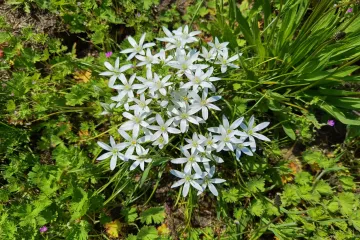
Distinguishing Star of Bethlehem from harmless or desirable wildflowers is a key preventative measure. Ornithogalum umbellatum, for example, is characterized by its low-growing habit, often appearing in early spring before many other garden plants have fully emerged. [9] Its flowers are typically white, star-shaped, usually with six tepals (petals and sepals that look alike), and they often have a distinct green stripe running down the center of the outer surface of each tepal. [2][5] The leaves are narrow and grass-like. [2][5]
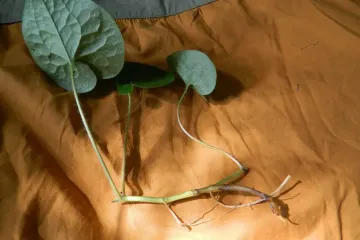
When assessing a plant found in a lawn or naturalized area, the bulb structure is a major indicator of the Ornithogalum genus. These plants reproduce aggressively through offsets, creating clusters of small bulbs underground. [9] This bulbous nature is what contributes significantly to its persistence as a garden problem and increases the risk of accidental exposure, as disturbing the soil while weeding or tilling can bring these toxic underground structures to the surface where they might be mistaken for something edible or less harmful, like an onion or a small tulip bulb. [8] The beautiful name, Star of Bethlehem, which ties to the Christian tradition of the plant appearing at the time of Christ’s birth, certainly does not correlate with its modern ecological status as a problematic, invasive species in many non-native environments. [2][9]
# Managing Invasive Status
Because of its toxicity and its tendency to naturalize aggressively, particularly O. umbellatum, management in a home garden setting is often recommended over simple coexistence. [3][9] A common approach for controlling O. umbellatum specifically involves physical removal due to its bulb structure. [9] It is often advised to dig up the weed as soon as it emerges in the spring before it has a chance to flower and set seed. [9]
This physical removal must be thorough. Simply pulling the foliage will not eradicate the plant, as the subterranean bulbs will remain viable to sprout again the following season. [9] When digging, the goal should be to remove every bulb and offset, which can be painstaking given their small size and the density of the clumps they form. [9] One practical consideration for gardeners undertaking this cleanup is what to do with the excavated plant material. Because the toxins remain potent, simply tossing the dug-up bulbs into a standard yard waste pile or compost bin intended for future garden use is risky. [1][8] If your local composting facility does not use high-heat, extended decomposition processes, those toxic bulbs might survive and re-enter your soil system next season. For small-scale removal, sealing the entire clump—bulbs, roots, and foliage—in a sturdy trash bag destined for the landfill is the safest way to ensure the toxins are removed from the ecosystem entirely.
# Beyond Ingestion Risks
While the primary danger is clearly ingestion, it is worthwhile to consider persistence. Many people assume that once a poisonous plant dries out or dies back for the season, the hazard passes. However, the compounds responsible for the toxicity in plants like Ornithogalum are often stable enough that dried foliage or bulbs still pose a risk, especially if they are mixed into animal feed or remain accessible in leaf litter where curious pets might investigate. [1] This longevity of toxicity means that even seemingly dead plants should be handled with gloves until properly disposed of in a secure manner. Furthermore, while the sources focus heavily on human and livestock poisoning, anyone working with these plants frequently, especially when digging up bulbs or handling crushed foliage, should wear garden gloves as a matter of routine, minimizing skin contact, even if dermal irritation is not the most frequently cited symptom for this particular genus. [2][6]
The difference in appearance across the genus can sometimes lead to misidentification with edible relatives or other flowers. For instance, the appearance of the six-petaled, star-shaped flower might vaguely remind one of edible members of the Allium (onion/garlic) family, or perhaps other spring bulbs like daffodils, although the visual differences are usually significant upon close inspection. [8] It is this potential for misidentification, combined with the powerful nature of cardiac glycosides, that justifies the strong cautions issued by botanical and agricultural extension sources regarding all Ornithogalum species found growing where children or animals have access. [2][6] Prudence dictates that a single visual confirmation is not enough; if the plant possesses the telltale star shape and green striping of O. umbellatum, or is known to be a cultivated Ornithogalum variety, it should be treated as a contaminant to be removed, not an addition to the landscape.
Related Questions
#Citations
Star of Bethlehem (Ornithogalum spp) - LIISMA
Ornithogalum umbellatum - Wikipedia
Toxicity of the Star of Bethlehem Plant and Precautions for Removal
All that glitters is not gold - Master Gardeners of Northern Virginia
Ornithogalum thyrsoides (African Wonder Flower, Chincherinchee ...
AZ/NM Node - Ornithogalum umbellatum - SEINet
[PDF] star of bethlehem - USDA
Star of Bethlehem - Wild Foodies of Philly
Invasive plant tip: Dig up Star of Bethlehem as it emerges