What are the side effects of red ginger?
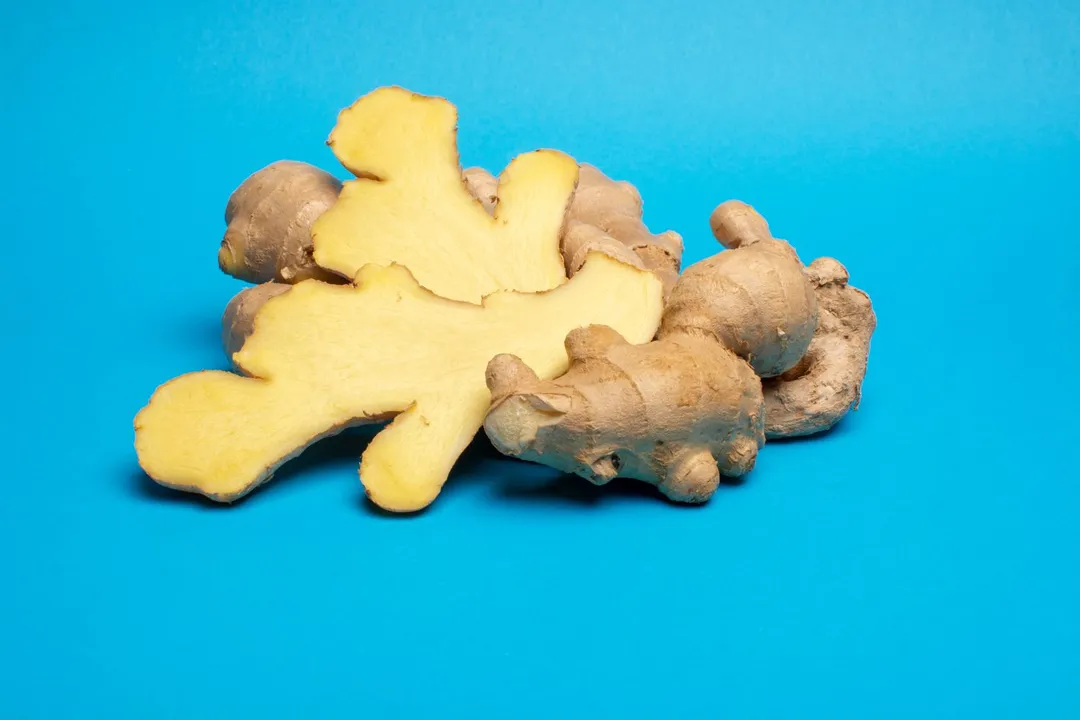
Ginger, in its various forms, is frequently praised for its warming properties and potential health benefits, often consumed as a tea or incorporated into meals for flavor and wellness support. However, like many potent natural substances, consuming significant amounts, particularly in concentrated supplement form, can lead to several noticeable side effects. [1][3][4] While the amount used in standard cooking or a single cup of tea is usually well-tolerated by most people, paying attention to dosage and pre-existing conditions is important when ramping up intake. [2][5]
# Digestive Upset

The most frequently reported adverse effects associated with ginger consumption center around the gastrointestinal tract. [3][4] This is often due to ginger's ability to stimulate digestive juices and its general warming nature in the gut. [1]
When ginger is consumed in larger quantities, people commonly experience stomach upset or discomfort. [1][4] Heartburn is a specific complaint, where the reflux of stomach acid causes a burning sensation in the chest. [2][4] For some, this can manifest as acid reflux. [1] Diarrhea is another documented potential outcome of high intake. [3][5] Furthermore, individuals might notice increased gas, bloating, or general stomach irritation. [4][5] These digestive responses are highly dose-dependent; what causes mild heartburn in one person might lead to significant diarrhea in another if the dose is substantially higher. [4] Some people also report experiencing bad breath or minor irritation in the mouth area after consuming significant amounts. [5]
# Medication Interactions

Beyond direct physical reactions, ginger can interact with certain prescribed medications, altering their intended effects or increasing risks. [2][6] This is a crucial area for anyone managing chronic conditions or taking regular medications, as the compound's influence on blood clotting and blood sugar is pharmacologically relevant. [1][7]
Ginger has properties that may inhibit platelet aggregation, meaning it can potentially slow blood clotting. [1][3] This effect necessitates caution when someone is already taking anticoagulant or antiplatelet drugs, such as warfarin or aspirin. [2][3][6][7] Combining ginger, particularly in high concentrations, with these medications could increase the risk of bruising or bleeding events. [1]
Similarly, ginger can influence blood sugar levels, potentially lowering them. [1][2] While this might sound beneficial for someone managing high blood sugar, it poses a risk for individuals already taking diabetes medications, as the combined effect could lead to hypoglycemia (dangerously low blood sugar). [3][7] Those managing blood pressure should also be aware, as ginger might contribute to lowering blood pressure further when taken alongside antihypertensive drugs. [2][3]

# Dose Limits

Understanding what constitutes a "high dose" is key to mitigating side effects. [4] For general health purposes, many sources suggest that an intake of about 4 grams of ginger per day is a reasonable maximum for most healthy adults. [4] It is important to note that this 4-gram benchmark often refers to the dried root equivalent, and concentrated extracts or supplements can deliver this amount very quickly. [4]
The way ginger is processed significantly changes its potency relative to a standard serving. Grating a small amount into a soup provides a very different exposure level compared to consuming several standardized 500mg capsules daily. [4] When thinking about the difference between consuming ginger as a flavor agent versus using it therapeutically, it’s helpful to visualize the concentration gradient. A typical slice of fresh ginger might contain only trace amounts of the active compounds (like gingerols) relative to a concentrated extract designed to deliver a therapeutic dose; thus, the safety threshold for side effects is reached far more easily with the latter. [1][3] If you are new to ginger supplementation, starting with a small fraction of the recommended daily dose and slowly increasing it over a week provides a practical way to gauge personal tolerance without overwhelming your system suddenly. [4]
# Special Considerations
Certain groups should exercise extra prudence regarding ginger intake, even at levels that might be fine for the general population. [1]
# Pregnancy Concerns
While amounts typically found in food are generally considered safe during pregnancy, consuming ginger in medicinal or high supplemental doses requires careful consideration and, ideally, consultation with a healthcare provider. [1][3] There have been ongoing discussions regarding high doses during pregnancy, making it wise to err on the side of caution, especially in the later stages. [2]
# Allergic Reactions
Though less common than digestive distress, allergic reactions to ginger are possible. [1] These might manifest as a skin rash or contact dermatitis if the ginger touches the skin, or more systemic allergic responses if ingested. [1] If any signs of an allergic reaction occur, usage should cease immediately. [2]

# Risk Analysis
When evaluating the safety profile, it is useful to compare the context of consumption. A common scenario involves someone using ginger for morning sickness relief, which often necessitates higher, consistent doses compared to someone simply adding a pinch to their morning tea for digestive aid. [2][3] The risk profile shifts dramatically based on the need and the dose required to achieve that effect.
| Condition Addressed | Typical Form of Ginger | Primary Concern |
|---|---|---|
| Nausea/Sickness | Fresh root, small amounts of tea | Low risk, generally well-tolerated [2][3] |
| Joint Pain/Inflammation | Concentrated extract or supplement | Higher risk of GI upset and drug interaction [1][4] |
| Blood Thinning Therapy | Any form, especially high dose | Increased bleeding risk with anticoagulants [6][7] |
It is worth noting that the potential for gastrointestinal irritation seems to be a near-universal reaction to overuse, regardless of the specific benefit sought. [4] In essence, the very compounds that give ginger its beneficial properties—the pungent, volatile oils and phenols—are also the ones that stimulate the digestive lining too aggressively when dosage becomes excessive. [1] Understanding this mechanism helps explain why heartburn and diarrhea are the most predictable unwanted outcomes. [3][5]
# Practical Application
For the everyday user looking to incorporate ginger safely without running into these adverse effects, a practical strategy involves treating it as an active ingredient rather than a mild spice when consuming it in concentrated forms. [4] If a recipe or supplement calls for a therapeutic amount, ensure you are not simultaneously taking other substances that share its properties, such as other herbs known to thin the blood or lower blood sugar.
If you are already taking prescription drugs, keeping a log of your ginger intake—whether it’s grams of powder or milliliters of extract—and noting any changes in how you feel over a couple of weeks provides valuable personal data. [6] This self-monitoring builds real-world evidence for your body, which can then be shared with a healthcare provider if you decide to increase the dosage or if side effects appear. [7] This approach moves beyond generalized warnings to personalized safety management when incorporating potent herbal remedies into a daily routine. [1]
Related Questions
#Citations
Ginger: Health Benefits & Side-Effects - WebMD
Ginger tea side effects: What are the risks and benefits?
9 Side Effects of Ginger - Verywell Health
Ginger Tea: Does It Have Any Bad Side Effects? - Healthline
7 side effects of Ginger you must be aware of - Times of India
Ginger Root - StatPearls - NCBI Bookshelf
Ginger Root Uses, Side Effects & Warnings - Drugs.com
Ginger Benefits and Side Effects: Get the Facts on This Potent Spice
Ginger 101: A Complete Guide - Everyday Health