Is vermiculite safe for humans?
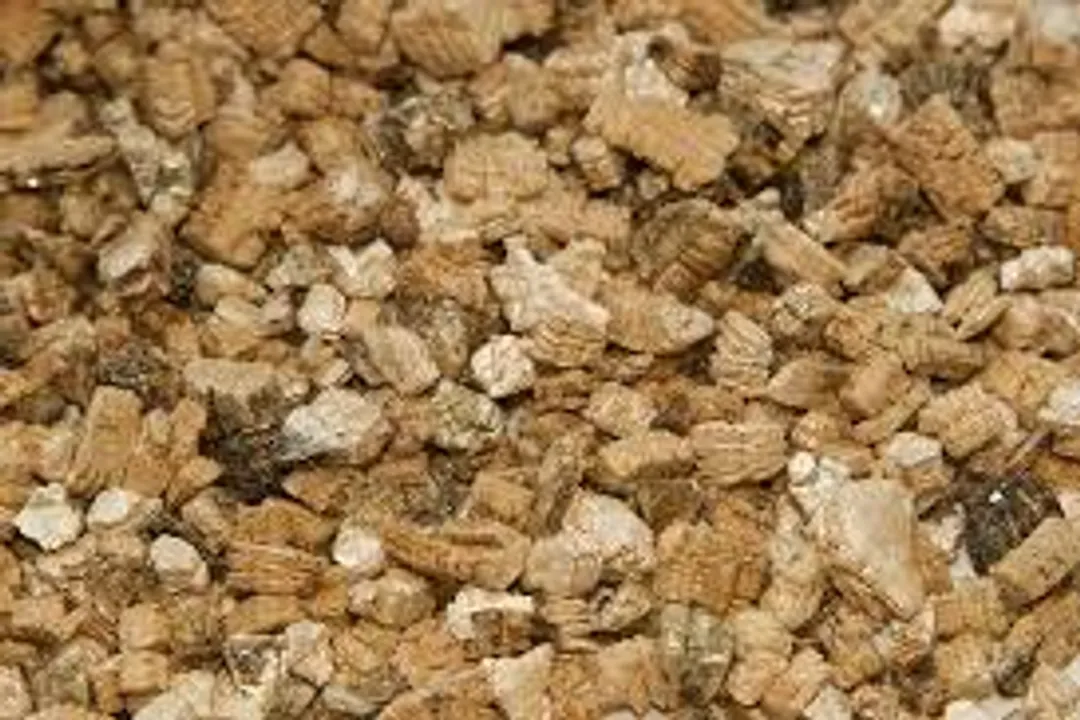
Vermiculite, a natural mineral known for its lightweight, absorbent, and fire-resistant qualities, found extensive use across construction and gardening sectors for decades. [4] As a lightweight, accordion-like mineral, it was valued for its ability to expand dramatically when heated, making it a fantastic insulator and a common additive in potting mixes. [4] The safety question surrounding this material does not stem from the vermiculite mineral itself, but from its historical association with asbestos contamination, particularly when it was mined and processed in certain locations. [1][4] Understanding this distinction is the first crucial step in assessing personal risk.
# Mineral History
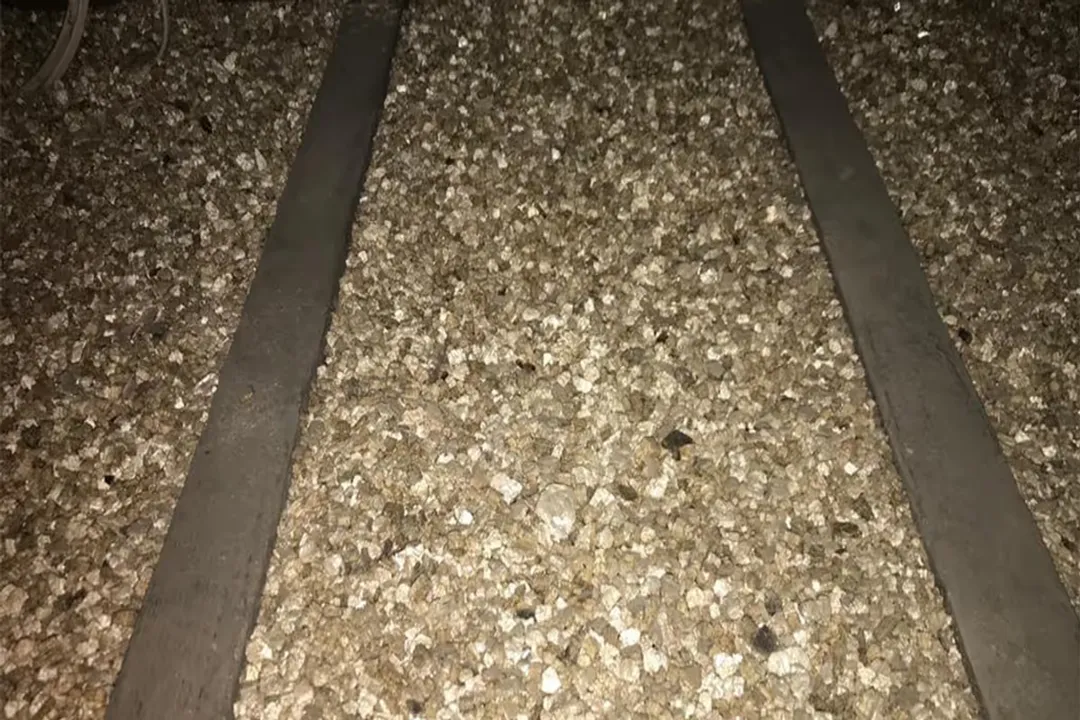
Vermiculite is a hydrous phyllosilicate mineral, often recognized by its shiny, flaky appearance. [4] Its incredible capacity to absorb water and its excellent thermal properties made it commercially attractive for use in attic insulation, particularly between the 1940s and the early 1990s. [1][6] It was also frequently added to commercial potting soils and soil amendments to help retain moisture and aerate the mix. [2]
# Asbestos Link
The central concern arises because some vermiculite, especially the type used for insulation, may contain fibrous asbestos minerals, which are known carcinogens. [1][6] The most infamous source of this contaminated material was the Libby, Montana mine, which operated for decades and was known to have produced vermiculite contaminated with naturally occurring asbestos. [4] While not all vermiculite contains asbestos—it depends entirely on the mine source—the historical use of Libby material in North America means that older products, especially loose-fill attic insulation, carry a significant potential for contamination. [1][4] The danger lies in the asbestos fibers themselves, not the purified vermiculite. [7]
# Risk Assessment
The actual level of risk depends heavily on the material's form and current condition. [6] In general, the risk of inhaling hazardous fibers is low if the material is undisturbed. [1][7]
# Attic Insulation
If you discover vermiculite insulation in your attic, the immediate danger is low as long as you do not disturb it. [6] When vermiculite is poured and settles, the fibers are generally encased or stabilized. [9] Activities that disrupt the material, such as walking on it, storing boxes, or attempting to remove it without proper safety protocols, are what can release these potentially harmful microscopic fibers into the air. [1][6] Professionals advise that if the insulation is left completely alone, the risk posed by undisturbed, contained vermiculite is likely low. [7] However, if the material is suspected to contain asbestos, specialized testing is necessary to confirm the presence and concentration of fibers before any renovation or removal decisions are made. [1][6] If testing is positive, containment or professional removal becomes necessary to mitigate long-term hazard. [1][7]
# Soil Amendments
For home gardeners, the concern focuses on whether older bags of potting mix or soil conditioners might harbor asbestos-contaminated vermiculite. [2] Unlike insulation, where the material is contained within the structure, gardening additives are intentionally handled, mixed, and spread, creating a direct pathway for airborne exposure during use. [5] While the EPA acknowledges that vermiculite added to potting soil might be a source of asbestos exposure, they also note that if you simply use the soil or mix it gently in a well-ventilated area, the risk is lower than with large-scale insulation disturbance. [2]
If you are using potting soil that you suspect is old or came from an unknown source, being cautious is wise. [5] Newer vermiculite sold for gardening purposes is typically sourced from mines that do not produce asbestos-bearing rock, but verifying the source is often difficult for the average consumer. [2]
# Health Implications
The primary health threat associated with contaminated vermiculite is not the mineral itself, but the associated asbestos fibers. [7] Inhaling asbestos fibers is a serious health risk that can lead to serious diseases, including asbestosis, lung cancer, and mesothelioma, often many years after exposure. [3][5] The severity of the health effect is tied to the concentration of fibers inhaled and the duration of exposure. [3] Because the physical structure of asbestos fibers allows them to become airborne and remain suspended for long periods, the respiratory tract is the main route of entry into the body. [3]
When assessing a home with old vermiculite insulation, it is important to remember that the potential for asbestos is not a guarantee. [9] Some vermiculite products were clean, and some mines never produced the contaminated product. Therefore, blanket removal recommendations can sometimes lead to unnecessary expense and disruption if no asbestos is present. Testing should precede action. [7]

# Managing Existing Material
For homeowners dealing with potential vermiculite insulation, a methodical approach based on condition and testing is key.
# Testing Protocols
If you suspect asbestos contamination, do not disturb the material. [1] Contact a licensed asbestos consultant or a qualified testing laboratory for guidance on collecting a sample. [1] Proper sampling requires safety precautions to avoid releasing fibers during collection. [8] For attic insulation, if you decide to test, you can often safely collect a small sample yourself by carefully scooping a small amount from a joist or beam where the material is thin, using a damp cloth or plastic bag to minimize airborne dust, and then sealing it securely for lab analysis. [1] It is vital that the lab is accredited to test for asbestos-containing materials (ACM). [1]
# Disturbance Scenarios
Consider your plans for the space. If the attic is sealed off, access is minimal, and you have no plans for renovation, leaving the material undisturbed presents a manageable risk profile. [6][9] If, however, you plan to convert the attic into living space, add ductwork, or simply use the space for storage, the disturbance risk escalates significantly, making professional abatement or removal a strong consideration. [6]
For gardening soil, a practical way to limit exposure, even without official certification, is to always work outdoors or in a very well-ventilated garage, wetting the material slightly before mixing to suppress dust, and wearing an appropriate respirator if you are using large quantities or mixing frequently. [2]
# Practical Comparisons and Management
When evaluating the safety of vermiculite, it is helpful to view the exposure pathways side-by-side:
| Application Context | Primary Action Causing Exposure | Typical Risk Level (if contaminated) | Recommended Initial Step |
|---|---|---|---|
| Attic Insulation | Walking, storing, renovations, removal [1] | High upon disturbance | Do not disturb; Test [6][7] |
| Potting Soil | Mixing, repotting, spreading [2] | Low to Moderate | Minimize dust; Use personal protection [2] |
Thinking about historical use patterns can offer some perspective on risk. Insulation often involves large volumes of material disturbed infrequently (e.g., during a one-time renovation). Conversely, a gardener might handle smaller volumes of contaminated potting mix multiple times per season, leading to repeated, though potentially lower-intensity, acute exposures. If you are a hobby gardener acquiring a few bags a year, the total inhalation dose is vastly different from a construction worker demolishing an entire insulated attic space. [8] Recognizing this difference in dose versus hazard is key to balancing caution with practicality.
# Safe Sourcing Today
For modern gardening needs, the good news is that much of the vermiculite currently sold is sourced from non-contaminated areas. However, because the market is global and labeling can be inconsistent, a buyer needs to be discerning. Relying solely on the word "vermiculite" on a label isn't enough if one is highly risk-averse. A truly informed consumer, especially one looking to build their own soil blends repeatedly, should favor suppliers who explicitly state that their vermiculite has been tested and certified asbestos-free due to the known historical contamination issues associated with the mineral. [2] This step moves beyond general safety advice to active sourcing due diligence.
If you are buying newer, sealed bags of potting mix, the risk associated with the vermiculite component is likely minimal, as the material would have been processed well after the major concerns over Libby material became public knowledge. The greater residual risk lies in materials purchased decades ago or bulk materials from unknown commercial sources.
# Final Considerations
The presence of vermiculite in a home or garden should prompt a careful assessment rather than panic. The material itself is not inherently toxic; the danger is conditional upon contamination with asbestos and subsequent physical disturbance. [7] For homeowners, the pathway forward involves testing before acting on insulation. [6] For gardeners, the best practice involves minimizing airborne dust during handling, particularly with older stock. [2] Maintaining physical barriers and ensuring good ventilation are consistent safety measures across all applications where disturbance is unavoidable. This measured, evidence-based approach respects the genuine health hazards while avoiding unnecessary alarm over materials that may, in fact, be benign. [9]
Related Questions
#Citations
Vermiculite Insulation - MN Dept. of Health
I use/used vermiculite to enhance my potting soil. Should I be ... - EPA
[PDF] Fact Sheet - CDC
What is vermiculite insulation, is it hazardous, and does it contain ...
Worried about use of vermiculite : r/gardening - Reddit
Asbestos in Vermiculite - Illinois Department of Public Health
Understanding The Dangers Of Working With Vermiculite - SERS
Is Vermiculite Insulation in Your Attic a Risk? - ICA