What is the key reasoning behind the FDA's strong advisory against consuming any part of the *Asarum* plant?
Answer
The presence of aristolochic acid, a known nephrotoxin and carcinogen
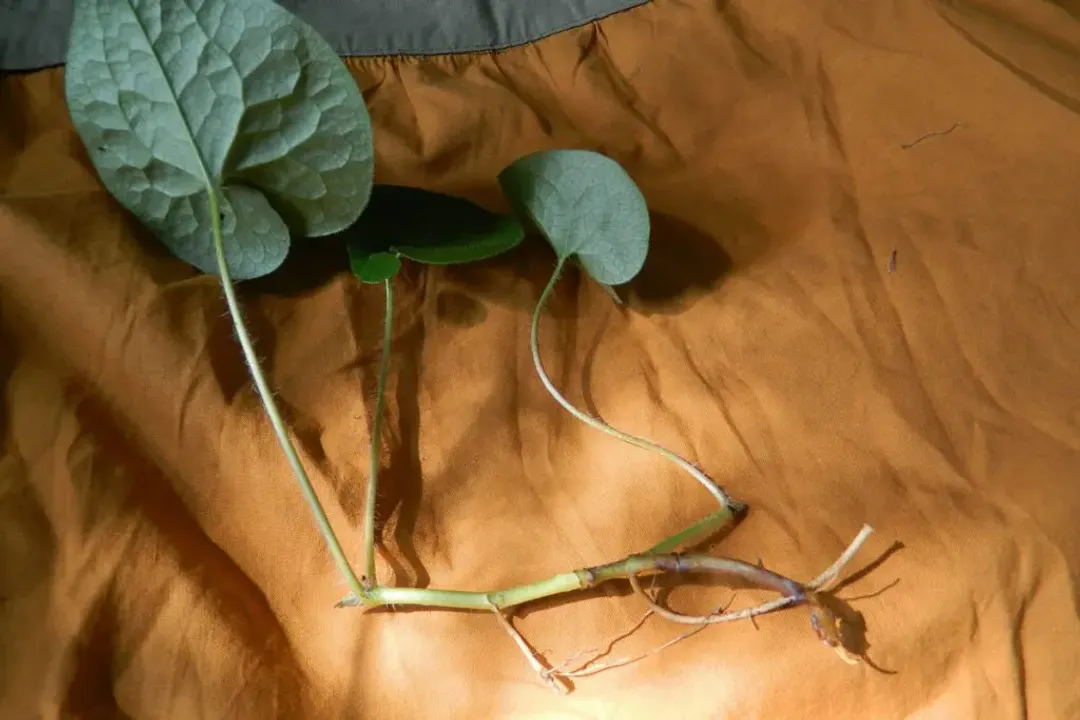
The advisory issued by the FDA and other international health organizations against consuming *Asarum* is based entirely on its established chemical profile. The plant contains aristolochic acid, a compound with severe toxicological consequences, being both highly damaging to the kidneys (nephrotoxic) and capable of causing cancer (carcinogenic). Because the danger is well-established through documented cases of severe health outcomes linked to ingestion, the risk associated with even small amounts of the rhizome overrides any potential historical or superficial flavoring attributes.
Related Questions
What dangerous compound found in Asarum species is linked to severe kidney and cancer risks?Which specific toxicological outcomes are known to result from ingesting aristolochic acid?To which botanical family does the toxic North American wild ginger, *Asarum canadense*, belong?Which family identifies the tropical plant *Zingiber officinale*, the source of culinary ginger spice?How are the small, inconspicuous flowers of the native *Asarum* species typically situated?What is the key reasoning behind the FDA's strong advisory against consuming any part of the *Asarum* plant?What specific leaf shape helps characterize *Asarum canadense* in North American foraging contexts?How should a forager reframe the assessment of *Asarum* consumption to consider long-term health risks?What aspect is cited as the reason the toxic *Asarum* shares a common name with *Zingiber officinale*?What rigorous method is cited as the benchmark for safe foraging identification, especially when *Asarum* is involved?