Is Ornithogalum toxic to humans?
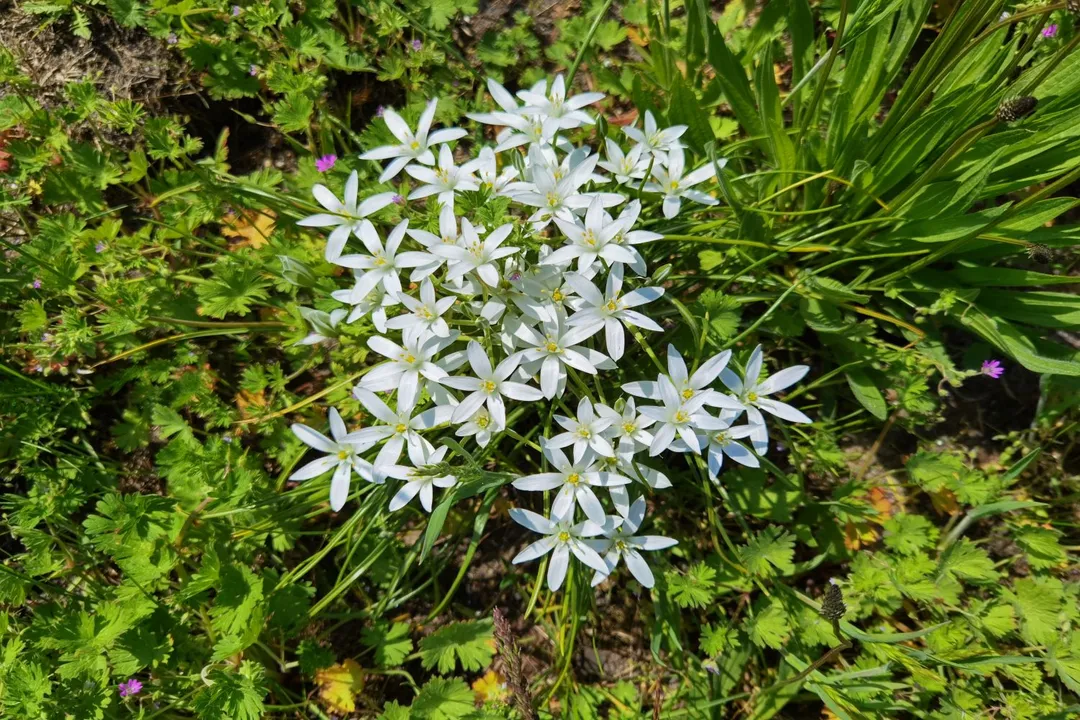
The delicate, star-shaped white flowers of the Star of Bethlehem, belonging to the genus Ornithogalum, are undeniably attractive in a garden setting. [1][9] However, the beauty of these bulbous perennials often masks a significant underlying concern regarding their chemical makeup, as many species within this genus are recognized as toxic. [2][5] For those cultivating these plants, or perhaps encountering them in naturalized areas, understanding the level of risk they pose to people and pets is essential for safe gardening practices.
# Plant Profile
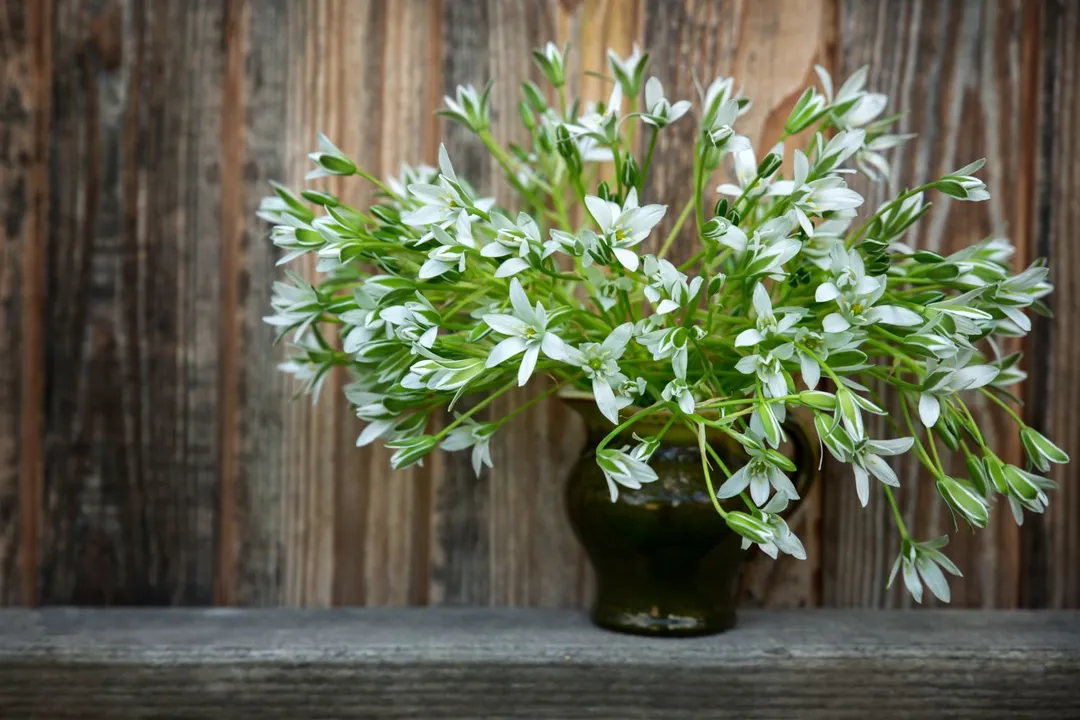
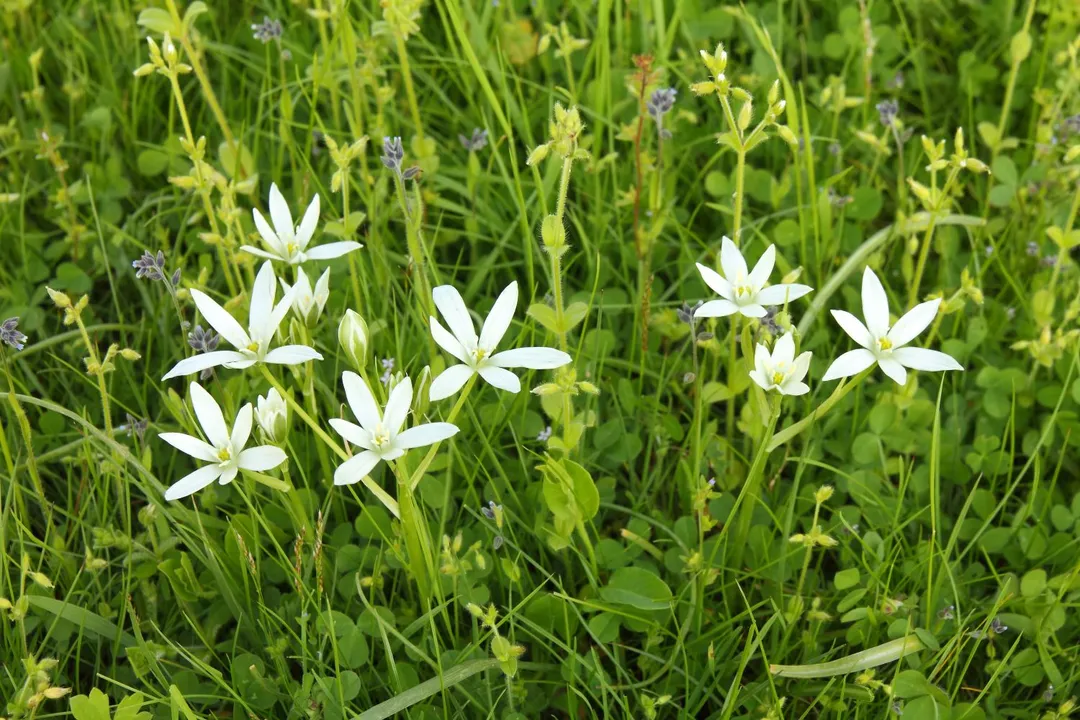
The common name Star of Bethlehem is most frequently associated with Ornithogalum umbellatum. [1][6] This plant is known for its striking white flowers, typically with six tepals, that appear in spring. [1][9] While native to parts of Europe and Asia, it has naturalized widely, becoming particularly noted in North America as an aggressive spreader. [1][6][7] It spreads both by producing offsets from its underground bulbs and through seed dispersal. [3][7] Another species sometimes encountered is Ornithogalum arabicum. [8] All parts of the plant, including the leaves, flowers, and especially the bulb, contain the potentially hazardous compounds. [1]
# Toxic Compounds
The primary concern regarding Ornithogalum species is the presence of cardenolides. [1] These are potent cardiac glycosides, substances that can directly affect heart function. [1] While documentation about human poisonings may not be as readily available as that for common household toxins, the presence of these compounds places O. umbellatum firmly in the category of plants that should not be consumed. [1][6]
It is interesting to note that the public concern surrounding Ornithogalum in some regional gardening communities often centers more on its invasive behavior—the sheer difficulty of eradicating it once established—than on documented widespread human poisoning incidents. [6][7] This might suggest that ingestion, while dangerous, is less frequent than its tendency to aggressively colonize lawns and wild spaces. [3]
# Gastrointestinal Effects
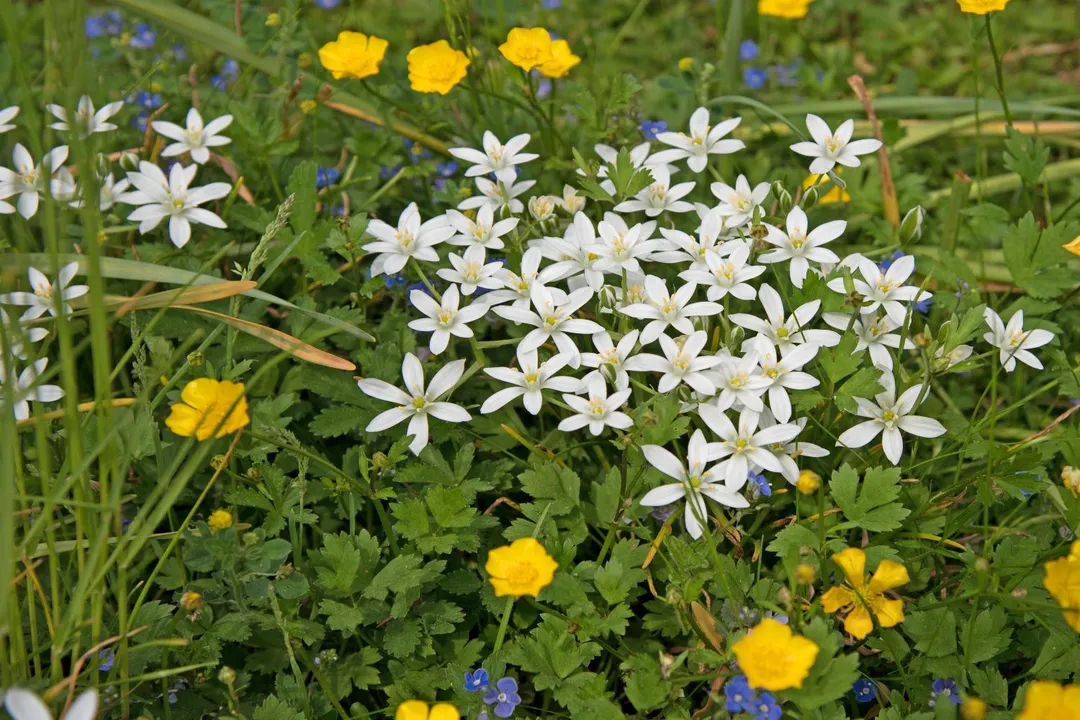
When Ornithogalum plant material is ingested by humans or animals, the immediate effects usually target the digestive system. [1][2] Symptoms often reported after accidental consumption include vomiting, diarrhea, and general abdominal pain. [1][2] Because these plants are low-growing bulbs that might be confused with edible spring greens by an unknowing individual or child, careful management in gardens frequented by toddlers or pets is necessary. [2] If any part of the plant is eaten, treating it as a poisoning event and seeking medical advice is the correct immediate response. [5]
# Homeopathy Versus Raw Plant
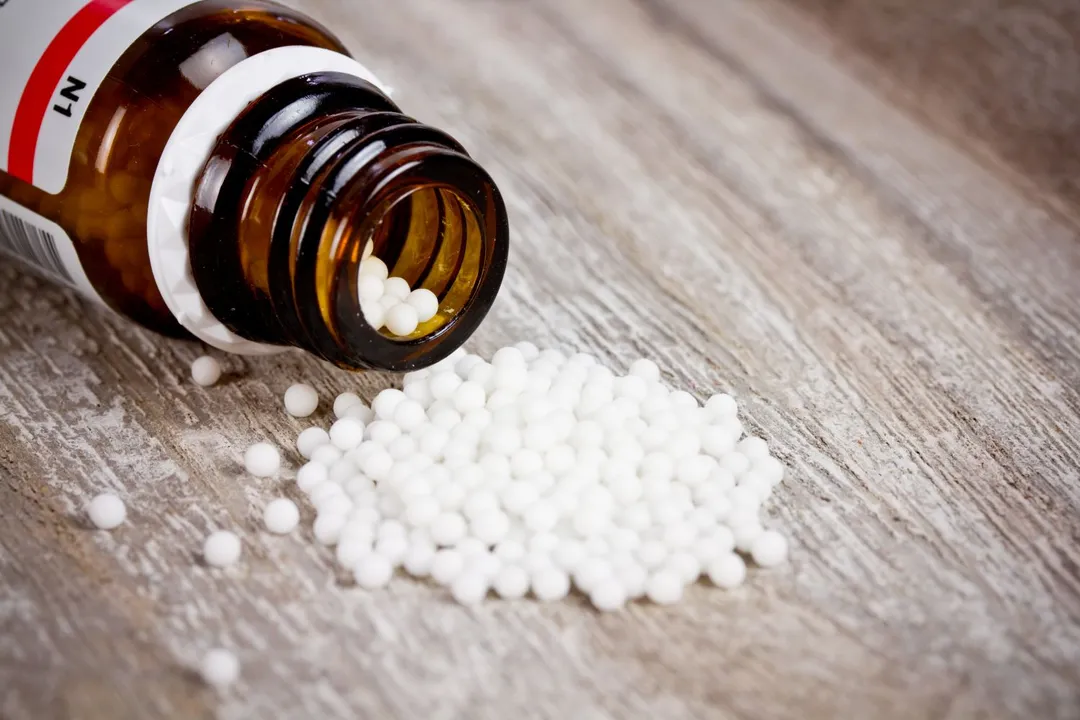
A critical distinction must be made when discussing the safety of Star of Bethlehem, as it relates to its use in homeopathic preparations. [5] Homeopathy involves extreme dilution, meaning the final product contains only trace or no molecules of the original substance. WebMD indicates that Ornithogalum is sometimes used in homeopathic remedies. [5] However, this preparation is vastly different from consuming the raw, fresh bulb or leaves from a garden or the wild, where the concentration of cardenolides is significantly higher and potentially dangerous. [1] For the general reader, the takeaway should be absolute avoidance of the raw plant, regardless of its highly diluted medical applications. [5]
# Garden Management
For those who find Star of Bethlehem growing in their yard, especially in areas where it is considered invasive, management is usually recommended. [3][6] Since the plant persists through its underground bulbs, simple mowing or cutting back the foliage will not eliminate it. [6] The most effective recommended strategy for removal involves digging out the entire bulb system when the plant first emerges in the spring, which is often the easiest time to locate them before they become overgrown. [6][7]
When considering removing O. umbellatum from a landscape, a practical consideration is the soil disturbance itself. Because the plant produces many small offsets, thorough digging is required; even small fragments of the bulb left behind can regenerate, turning a single patch into several next season if the removal process isn't meticulous. [3] This demands a careful, patient approach to ensure the plant is truly eradicated from the area rather than just temporarily cleared from the surface view.
# Identifying Risks
Because there are multiple species of Ornithogalum, and other non-toxic bulb plants bloom around the same time, misidentification is a potential route to accidental exposure. [8] While O. umbellatum is common, gardeners should be aware of the variations in flower shape and size across the genus. [1][8][9] The most important identification key for safety is remembering that any Star of Bethlehem found in the wild or an uncontrolled garden setting should be treated as potentially poisonous due to the cardenolide content shared across toxic varieties. [1][5]
If contact with the plant causes skin irritation, washing the area thoroughly is advised, although the main danger remains from internal consumption. [2] For anyone dealing with significant exposure, whether in humans or pets, contacting a poison control center or veterinary professional immediately is the safest course of action, as they can provide guidance specific to cardiac glycoside exposure. [5]
Related Questions
#Citations
Ornithogalum umbellatum
Star of Bethlehem (Ornithogalum spp)
All that glitters is not gold
Toxicity of the Star of Bethlehem Plant and Precautions for ...
Star Of Bethlehem - Uses, Side Effects, and More
Invasive plant tip: Dig up Star of Bethlehem as it emerges
Ornithogalum umbellatum (Dove's Dung, Star of Bethlehem)
Ornithogalum arabicum (Arabian Star Flower) - Gardenia.net
Star of Bethlehem: planting, care & more