What microscopic, needle-like crystals in raw malanga necessitate thorough cooking?
Answer
Calcium oxalate crystals
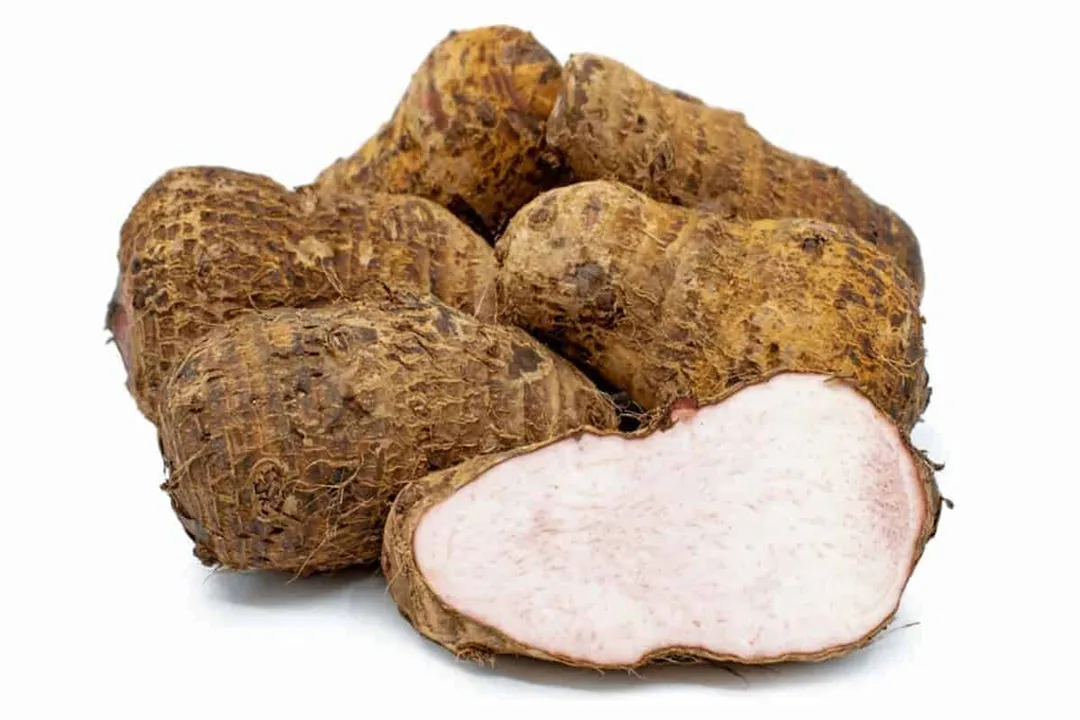
Thorough cooking is an absolute prerequisite for consuming malanga due to the presence of calcium oxalate crystals within the raw root. These microscopic, needle-like structures are highly irritating; if ingested uncooked, they can cause severe burning, swelling, and irritation throughout the mouth, throat, and entire digestive tract. The application of heat, whether through boiling, baking, or frying, serves the critical function of breaking down these irritating compounds, rendering the starch digestible and the root safe for human consumption.
Related Questions
What specific item is "malanga" often referring to in parts of the Middle East and India?To which botanical family does the malanga root, classified as a corm, belong?What microscopic, needle-like crystals in raw malanga necessitate thorough cooking?Which electrolyte, crucial for maintaining healthy blood pressure, is a noted mineral contribution of malanga?How is the texture of malanga root typically described when compared to taro root?Compared to white potatoes, what characteristic do malanga and taro generally share regarding blood sugar response?What actionable tip is recommended for long-term healthy eating regarding malanga inclusion?What is the primary nutritional consequence of slicing malanga thinly and frying it, as opposed to boiling or steaming?Besides potassium, which essential antioxidant vitamin is malanga noted for contributing to the diet?How does the fiber content in malanga primarily benefit weight management and energy stability?