Is it good to be eating mango everyday?

The sheer joy of slicing into a perfectly ripe mango, its sweet, vibrant flesh yielding under the knife, is a culinary experience many look forward to year after year. Given its fantastic flavor and impressive nutrient profile, the natural question arises: can we indulge in this tropical treasure every single day? The answer, as with most things related to diet, rests in balance and understanding what your body needs. [2] Mangoes are nutrient-dense, offering a substantial package of vitamins and minerals, but they also contain natural sugars that require mindful consumption, especially when eaten daily.
# Key Nutrients
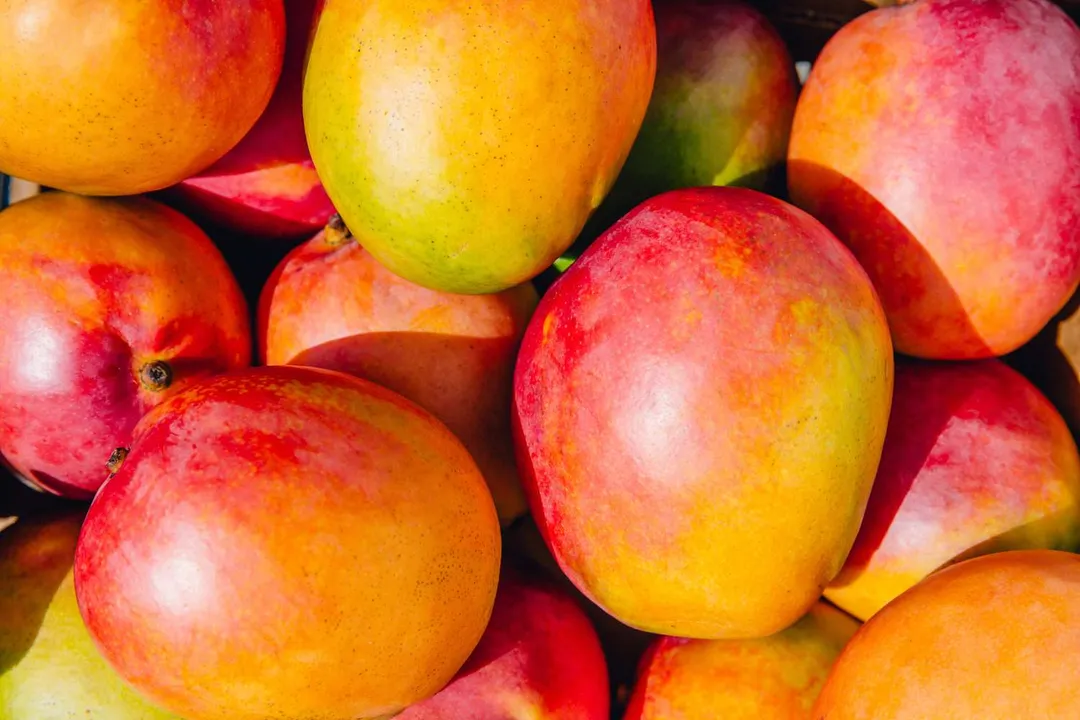
Mangoes are powerhouses of certain essential micronutrients. They are particularly rich sources of Vitamin C, which is vital for immune function and acts as an antioxidant supporting skin health. [1][5][10] A single serving can often supply a significant portion of your recommended daily intake of this critical vitamin. [1] Furthermore, mangoes provide substantial amounts of Vitamin A, important for maintaining good vision and supporting cell growth. [5][10] Beyond these two major players, you will also find a decent supply of B vitamins, such as folate, along with minerals like potassium and magnesium. [1][10]
Their bright color is a giveaway for the presence of beneficial compounds. Mangoes contain various antioxidants, including carotenoids like beta-carotene, which contribute to their protective qualities within the body. [1][10] These compounds help combat free radicals, contributing to overall cellular health. [1]
# Digestive Aid

For those concerned about digestive regularity, mangoes offer tangible support in the form of dietary fiber. [1] Fiber is crucial for promoting healthy bowel movements and maintaining gut integrity. [1][5] Eating mangoes regularly can contribute positively to this aspect of digestive health, provided the rest of your diet is also balanced in fiber sources. [2] The combination of soluble and insoluble fiber found in the fruit aids in smooth digestion. [1]

# Sugar Intake

The primary concern when considering daily mango consumption revolves around its natural sugar content. Mangoes are relatively high in sugar compared to some other fruits, and this sugar contributes to the overall caloric load of the day. [2][4] If you are watching your total daily sugar or calorie intake, making mango a daily feature requires adjusting other parts of your diet accordingly. [2]
For individuals monitoring blood glucose levels, such as those with diabetes, the impact of mango sugar must be carefully considered. [4] While the fiber content helps mitigate the speed at which sugar enters the bloodstream compared to processed sweets, it is still a source of carbohydrates that will raise blood sugar. [4] The natural sugars present, including fructose and sucrose, mean that portion size directly dictates the metabolic effect. [4]
# Portion Control
The consensus among nutrition discussions leans toward moderation rather than elimination when consuming high-sugar, high-nutrient fruits daily. [2] Instead of a fixed measurement, think about the slice relative to your activity level. If you have a highly active day, your body may process the incoming energy from the fruit more efficiently than during a sedentary day.
Consider this breakdown for a typical adult managing a balanced diet: enjoying one medium mango daily might fit easily within an active lifestyle. [2] However, if you consume two or three large mangoes, you are likely significantly increasing your sugar and calorie count, which could lead to weight gain over time if not accounted for. [2] The key is understanding the density of the fruit. Since mangoes are hydrating, they also provide significant bulk for relatively few calories compared to processed snacks, but daily consumption needs to be benchmarked against your total energy budget.
A helpful way to frame this when integrating a fruit like mango daily is to consider its Glycemic Load (GL) rather than just its Glycemic Index (GI). While the GI tells you how fast a food raises blood sugar, the GL factors in the typical serving size. A standard serving of mango—perhaps one cup cubed—will have a moderate GL, meaning it won't spike blood sugar as dramatically as a pure sugar source, allowing for more reliable daily inclusion when other meals are low in refined carbohydrates. [4] This nuance is important: it’s not just that you eat it, but what else you eat alongside it that modulates the final impact on your system.

# Mood and Wellness
Beyond the physical vitamins, there’s a cultural and psychological element to enjoying such a beloved seasonal fruit daily. Some commentary suggests that the regular, anticipated enjoyment of a fruit like the mango can offer a simple boost to mood, sometimes humorously stated as keeping "sadness at bay". [7] While this isn't a clinical benefit supported by micronutrient data, the role of enjoying food is certainly a part of overall wellness and eating experience. [7]
# Daily Pairing Strategy
When deciding to make mango a daily component, thinking about when you eat it can add value. Instead of consuming a large portion as a standalone snack, which maximizes the sugar load impact, consider integrating it as a component of a larger, balanced meal. For instance, slicing a portion of mango over a bowl of plain yogurt, perhaps with a sprinkle of seeds or a small handful of unsalted nuts, provides protein and healthy fats. [1] This introduction of macronutrients alongside the fruit's natural carbohydrates helps slow digestion further, leading to a more gradual release of energy and minimizing sharp blood sugar fluctuations throughout the day. [4] This strategy allows you to reap the Vitamin A and C benefits daily while managing the glycemic response effectively. This method turns the daily fruit into a component of a structured snack or breakfast, rather than just a casual, high-sugar treat between meals.
The decision to eat mango every day ultimately boils down to how much you consume and the context of your entire dietary intake. If you are active, balanced in your other food choices, and keep your portion to a reasonable single serving, the wealth of vitamins, fiber, and antioxidants makes it a very healthy daily addition. [1][5] If portions balloon daily without adjusting other calorie sources, the sugar and calorie density become a drawback. [2] It is a delicious fruit worth enjoying often, but like any naturally sweet fruit, it benefits from thoughtful moderation. [4]
#Videos
What Happens When You Eat One Mango a Day - YouTube
Related Questions
#Citations
What Happens to Your Body When You Eat Mango Regularly
Is it bad for your health to eat mangoes everyday? - Quora
Mango: Nutrition, Health Benefits, and How to Eat It - Healthline
What Happens to Your Blood Sugar When You Eat Mango Every Day?
Mango-licious: The Top 6 Health Benefits of Mango
is mango actually healthy : r/nutrition - Reddit
1. The mango is good for you 2. The mango doesn't cause diabetes ...
One mango a day has so many benefits Mango is a versatile fruit ...
What Happens When You Eat One Mango a Day - YouTube
What Happens to Your Body When You Eat Mangoes Regularly