Can I eat malanga everyday?
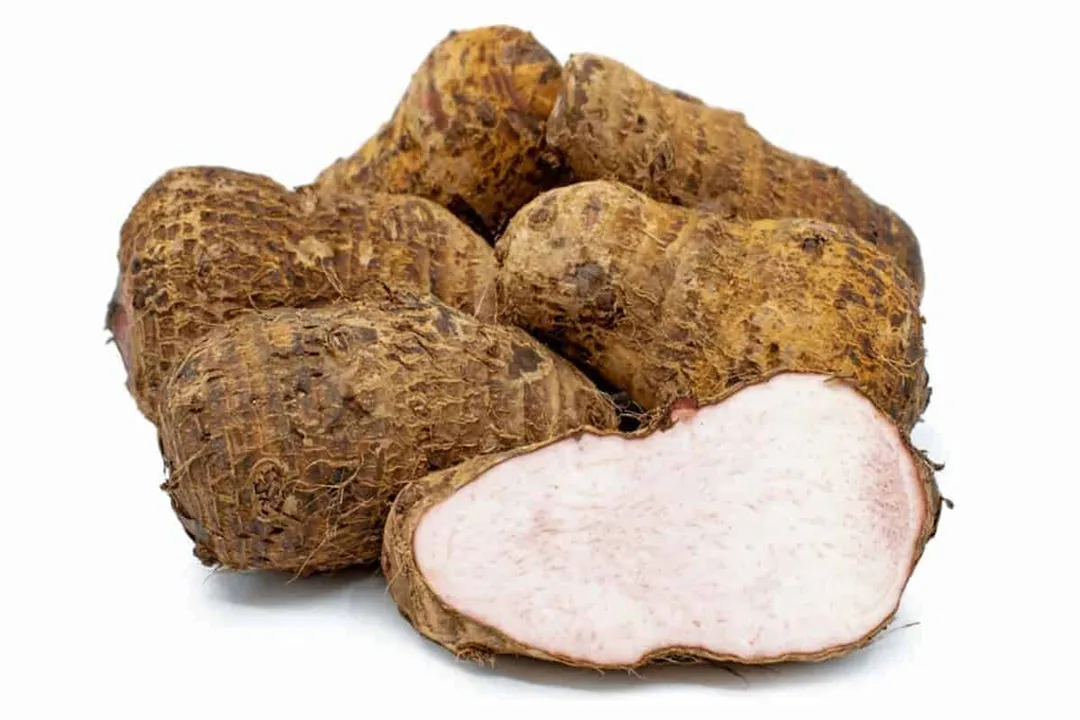
Malanga, often referred to as yautia or malanga lily, is a starchy root vegetable that holds a significant place in various global cuisines, particularly in the Caribbean, Latin America, and parts of Asia. [3][6][7] The decision to incorporate any single food item, even a nutrient-dense one, into your daily diet requires a careful look at its composition, your body's needs, and preparation methods. [1][5] While malanga root offers compelling nutritional advantages, making it a daily staple requires mindful integration rather than automatic inclusion. [8]
It is worth noting immediately that in some contexts, particularly in parts of the Middle East and India, the term "malanga" might refer to Tukh Malanga, which are the seeds of the Ocimum basilicum plant, commonly known as basil seeds or often confused with chia seeds. [4] These seeds are known for being high in fiber and omega-3 fatty acids. [4] However, for the purpose of dietary staple assessment concerning bulk food intake, this discussion will focus primarily on the malanga root (the corm), which is closely related to taro and yams. [5][7]
# Root Identity
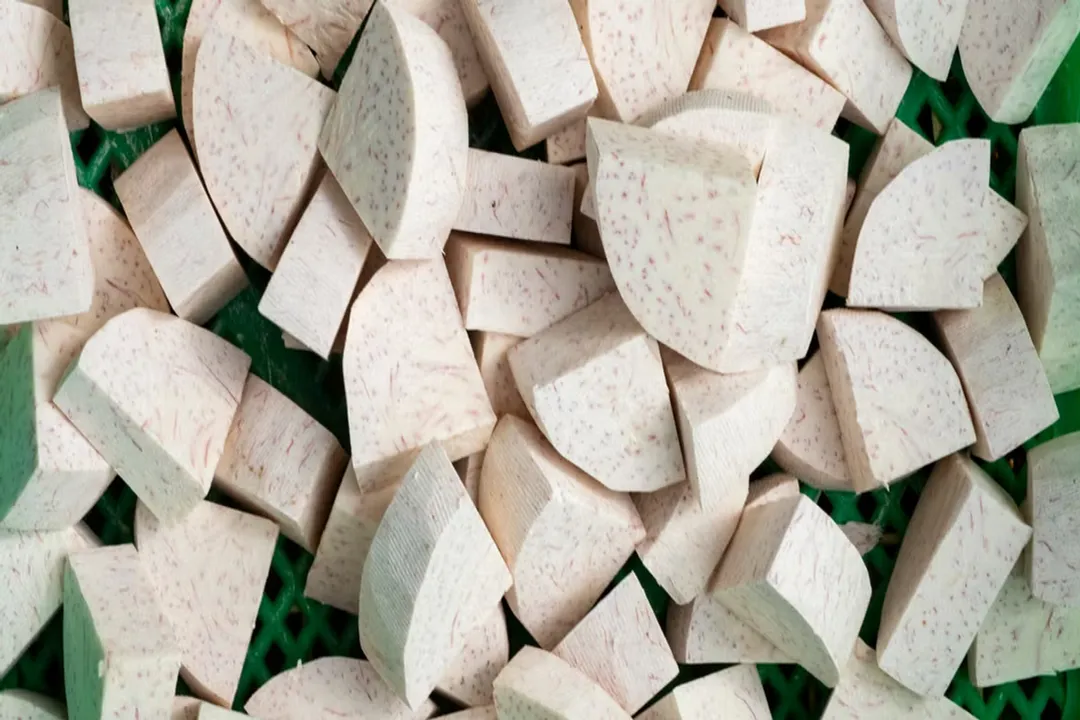
Malanga is classified botanically as a corm, a type of swollen underground plant stem that serves as a food storage organ for the plant. [6] It belongs to the Araceae family, which also includes taro and dasheen. [5] While often grouped with taro, malanga is distinct; it tends to have a slightly sweeter, nuttier flavor profile when cooked, and its flesh is typically white or pale yellow. [3][6] Its texture is often described as being starchier or drier than that of taro root, making it quite filling. [5]
This vegetable serves as a primary carbohydrate source in many traditional diets, much like the potato or cassava, offering substantial energy to support daily activities. [5][8] Understanding its similarity to taro is helpful because many nutritional discussions about malanga root often rely on data available for its close relatives, such as taro root. [5]
# Nutritional Breakdown
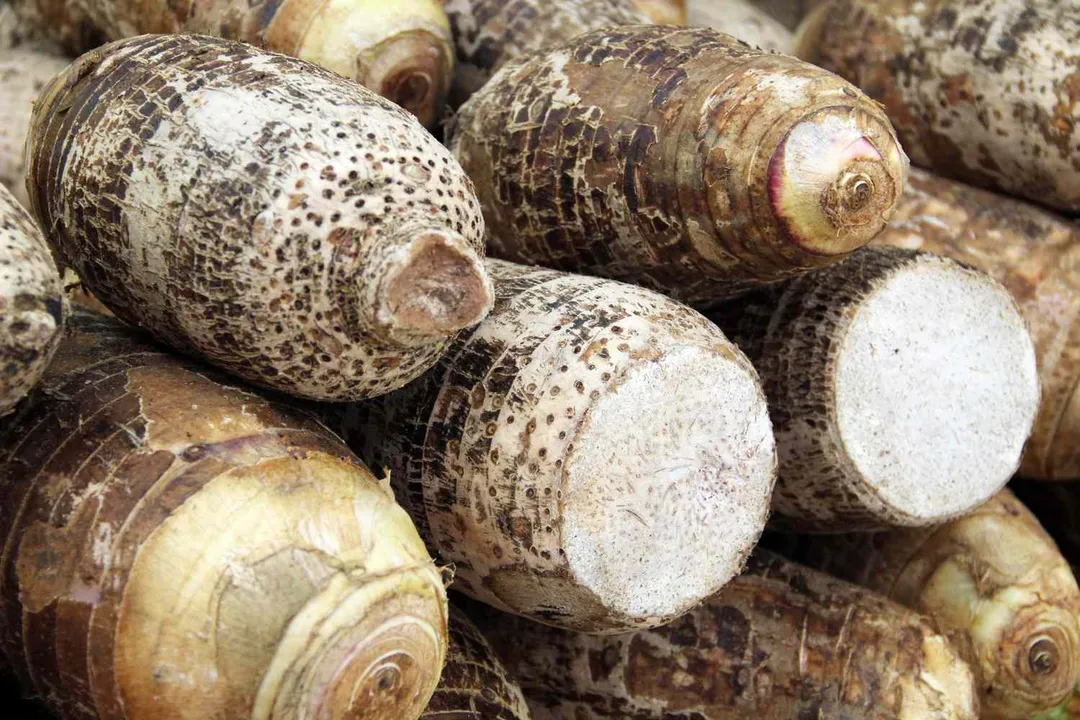
Assessing the daily viability of malanga starts with its nutritional makeup. As a starchy tuber, its macro-nutrient profile is dominated by carbohydrates, but it provides essential micronutrients that benefit overall health. [1][5]
Malanga is a decent source of dietary fiber. [1] Fiber is vital for digestive regularity, helping to bulk up stool and supporting a healthy gut microbiome. [1] While precise daily values can vary based on growing conditions and variety, a typical serving provides a meaningful contribution toward the recommended daily intake of fiber. [2][8]
When looking at vitamins and minerals, malanga offers several key players. It is noted for its content of potassium, an electrolyte crucial for maintaining healthy blood pressure levels and proper muscle function. [1][2] Furthermore, studies point to malanga as a source of Vitamin C, an important antioxidant that supports immune function and aids in collagen synthesis. [1][2] While not as rich in vitamins as leafy greens, its mineral contributions are significant for a starchy staple. [8]
For those monitoring calorie intake, it is essential to remember that malanga, like all root vegetables, contains calories derived primarily from starch. In an uncooked state, it is relatively low in fat and has some protein, but the nutritional density changes upon cooking. [5]
# Comparative Context
When considering whether malanga can replace daily staples like white potatoes or sweet potatoes, the differences are subtle but relevant for long-term dietary patterns. [5] Both malanga and taro generally possess a lower glycemic index compared to white potatoes when eaten in moderation, meaning they cause a slower, steadier rise in blood sugar. [5] This quality is beneficial for sustained energy release throughout the day, which supports the idea of it being a solid base for daily meals. [5] However, like any starchy food, the final glycemic response is heavily influenced by how it is prepared—boiling or steaming retains better qualities than deep frying. [5]

# Daily Inclusion Safety
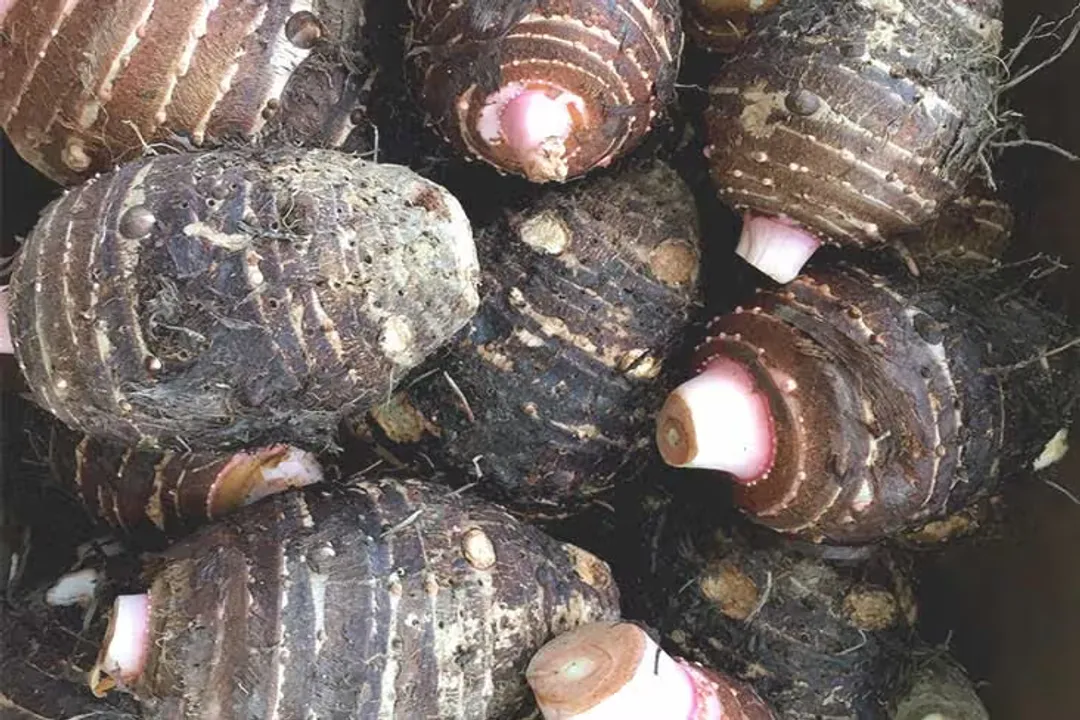
The main question—can you eat it every day?—hinges less on toxicity (provided it is cooked) and more on dietary balance and preparation. [5][8]
# Cooking Necessity
Perhaps the most critical piece of actionable advice regarding malanga consumption relates to preparation. Malanga, along with taro and other corms in its family, contains calcium oxalate crystals in its raw form. [5] These microscopic, needle-like crystals can cause severe irritation, burning, and swelling of the mouth, throat, and digestive tract if ingested raw. [5]
Therefore, thorough cooking is absolutely non-negotiable for malanga. Whether boiled, baked, or fried, the heat breaks down these irritating compounds, making the starch digestible and the root safe for consumption. [5] Any plan to eat malanga daily must center around consistently applying proper cooking techniques.
# Portion Control Insight
Thinking about daily inclusion brings up an important analytical point often overlooked when focusing only on "healthy" foods. Even nutrient-rich sources of complex carbohydrates, like malanga, need to be moderated within the context of total daily caloric needs. [8] If you consume a large serving of malanga every single day without adjusting intake from other carbohydrate sources (like grains or other tubers), you risk unintentional weight gain simply due to an overall energy surplus. [8] A practical approach for daily integration involves defining a standard serving size—perhaps the size of a small fist—and ensuring that this portion complements, rather than dominates, your plate composition, leaving ample room for lean proteins and non-starchy vegetables. [1]
# Potential Benefits Regular Intake
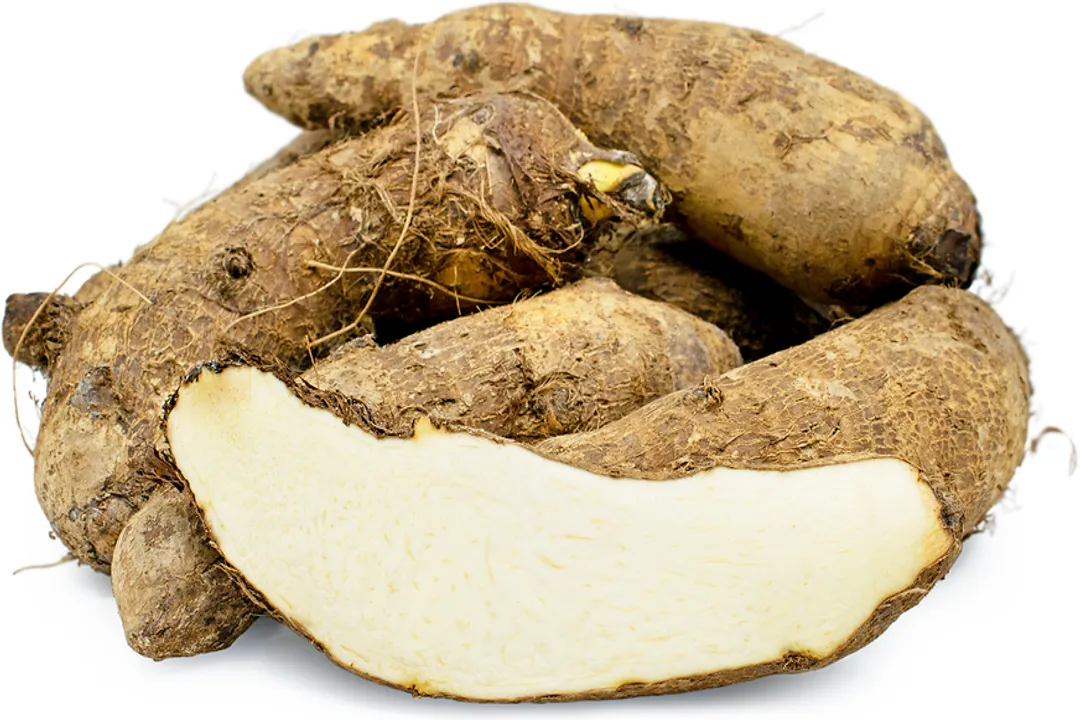
If properly cooked and portioned, incorporating malanga regularly can offer sustained nutritional support.
# Digestive Support
The fiber content in malanga contributes significantly to satiety, helping you feel full for longer periods. [1] For individuals managing weight or simply seeking to stabilize energy levels between meals, this characteristic is valuable. [8] Regular intake of dietary fiber, derived from sources like malanga, also supports healthy bowel movements, mitigating the risk of constipation that can arise from diets low in roughage. [1][2]
# Mineral Contribution
Daily consumption could ensure a consistent, albeit modest, intake of key minerals like potassium. [1] In diets where processed foods are limited, relying on whole foods like malanga for electrolytes becomes a reliable strategy for supporting cardiovascular health and muscle function. [2]
# Dietary Balancing Act
While beneficial, relying on only one starchy staple daily can lead to a less varied micronutrient intake over time. Our bodies thrive on the diverse array of phytochemicals and trace minerals found across different plant families. [5]
# Rotation Strategy
An actionable tip for long-term healthy eating that involves malanga is to adopt a simple weekly rotation schedule for your primary carbohydrate sources. Instead of eating malanga every single day, consider assigning it two or three days a week, alternating it with other nutrient profiles. [5] For instance, one day feature malanga for its unique texture and potassium load; the next, swap it for sweet potatoes to boost Vitamin A intake, and another day feature quinoa or lentils for complete protein and different mineral ratios. This ensures you are continuously challenging your palate and, more importantly, broadening the spectrum of nutrients absorbed across the week, rather than optimizing for just one food’s strengths. [5]
# Preparation Forms
The versatility of malanga allows it to be adapted into numerous preparations, which can help prevent flavor fatigue associated with daily consumption. [6]
It can be mashed, similar to a potato, though it often results in a slightly drier texture requiring added moisture like milk or broth. [3] It is excellent when cubed and added to soups or stews, where it absorbs the surrounding flavors beautifully. [6] In many Caribbean cooking styles, malanga is boiled until tender and then simply seasoned with salt and herbs. [7]
For a different texture, it can be sliced thinly and fried, similar to chips, but remember that frying significantly increases the caloric and fat content, moving it further away from an ideal "daily health food" status and closer to an occasional treat. [5] Steaming or boiling remains the healthiest preparation route for regular incorporation. [5]

# Synthesis
Eating malanga every day is possible from a safety standpoint, provided it is always cooked thoroughly to neutralize the irritants, and it can contribute valuable fiber and potassium to the diet. [1][5] However, for optimal, long-term nutritional health, the better approach is to integrate it as a frequent, rather than constant, component of a varied diet. [8] Its dense carbohydrate nature means that daily consumption must be balanced carefully against total energy needs and balanced with non-starchy vegetables. [1] By respecting its unique preparation requirements and using it alongside other whole foods, malanga can certainly serve as a treasured and healthful staple in your rotation. [6]
Related Questions
#Citations
Malanga: Health Benefits and More - Healthline
Malanga: Nutritional information and health benefits
What Is Malanga, And Is It Healthy? An RD Explains Its Nutrition
15 Tukh Malanga Benefits (تخم ملنگا) for Your Health - oladoc.com
Health Benefits of Taro Root - WebMD
Malanga Information and Facts - Specialty Produce
Malanga: Nutritional Value Chart and Health Benefits - MedicineNet
What Are the Benefits of Malanga Root? - Verywell Health
What Is Malanga? Health Benefits, Nutrition & More - Abasto