When preparing Carnival squash for optimal nutrient intake, what part of the vegetable is recommended to be consumed after roasting?
Answer
The skin
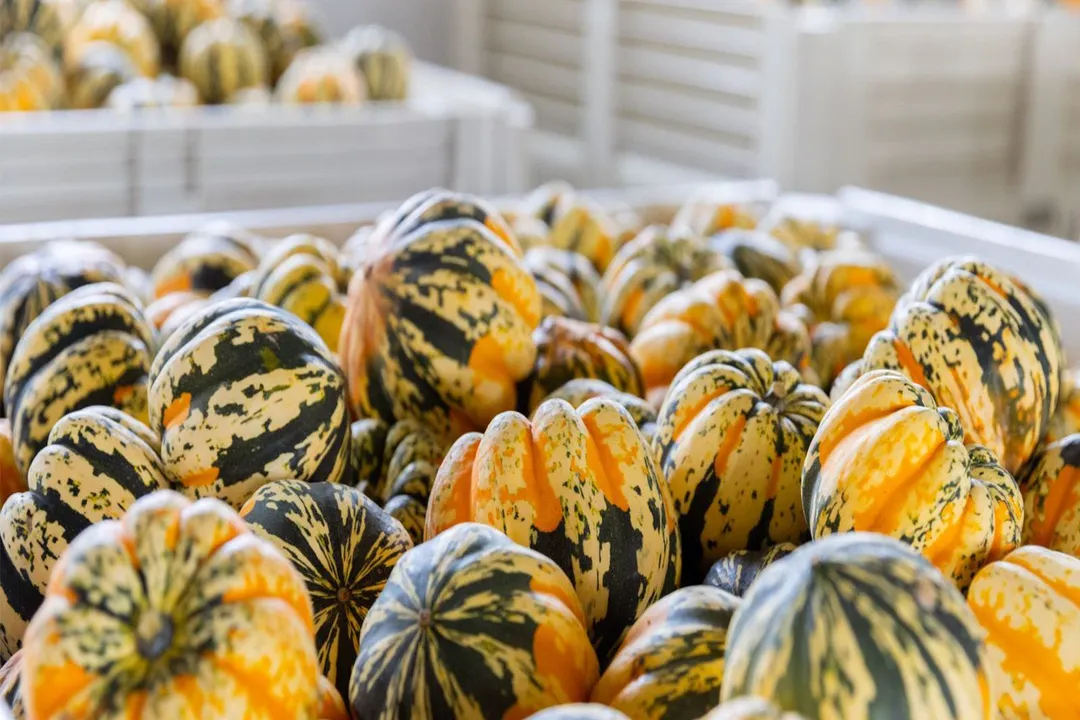
A specific preparation tip for maximizing the nutritional benefits derived from Carnival squash involves consuming its skin. Although some squash varieties have skin that is too tough, the skin of the Carnival squash becomes notably palatable and tender once subjected to roasting. By serving the flesh directly from the skin or ensuring it is incorporated into the dish, the consumer gathers the extra fiber and nutrients contained within the skin, thus avoiding the loss of these components that occurs when peeling is performed.
Related Questions
What two squash varieties were crossed to develop the Carnival squash hybrid in 1991?How many Calories are contained in a serving of roughly 85g (three-quarters of a cup) of Carnival squash?Which significant vitamin, often present as beta-carotene, does Carnival squash supply a substantial portion of the recommended daily value for?What characteristic related to blood sugar response means Carnival squash prompts a slower, more gradual rise in blood sugar levels?When preparing Carnival squash for optimal nutrient intake, what part of the vegetable is recommended to be consumed after roasting?Where should a whole, un-cut Carnival squash be stored for its typical shelf life of about one month?Which two specific carotenoids found in squash varieties are frequently highlighted for their role in supporting eye health?Which mineral, essential for bone structure building, works alongside Vitamin C to support skeletal wellness in squash consumption?What flavor profile does the flesh of the Carnival squash present, which makes it pair well with both sweet and savory additions?When selecting a whole Carnival squash for purchase, what tactile and visual qualities should the skin exhibit?