Is carnival squash good for you?
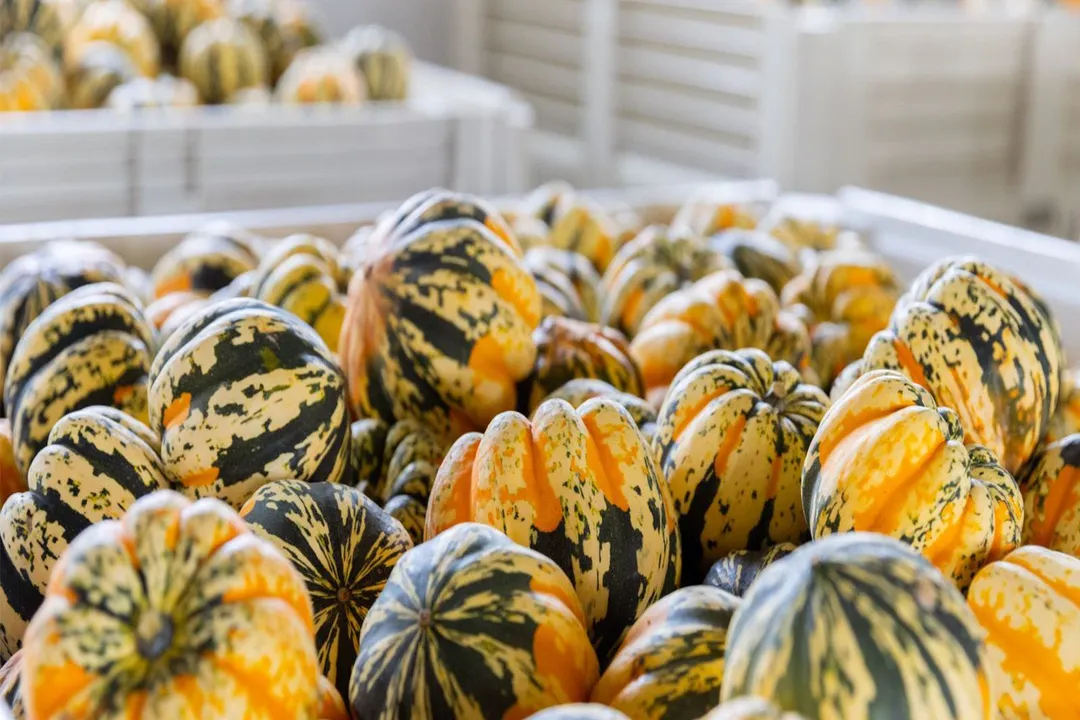
Carnival squash, with its cheerful, mottled exterior of green and yellow stripes, might seem like a novelty item, but this particular gourd packs a significant nutritional punch, making it a fantastic centerpiece for autumn and winter meals. [6] It is actually a relatively recent hybrid, first developed in 1991, resulting from crossing the sweet dumpling and acorn varieties. Its appeal lies not just in its vibrant look, which makes for a beautiful presentation, but also in its flavor—a delightful marriage of sweetness and a mild nuttiness similar to its squash relatives. [6] Before diving into why you should stock up on this seasonal gem, it helps to understand what exactly you are bringing home from the market.
# Nutrient Density

The core value of any vegetable lies in what it offers your body, and winter squashes, in general, are celebrated for being nutrient-dense without being heavy on calories. Carnival squash certainly follows this trend, offering a high return on investment for the few calories it contains.
For instance, a serving of about three-quarters of a cup (roughly 85g) of Carnival squash clocks in at only about 30 Calories. This low-calorie count is paired with powerful micronutrients. You'll find this squash is quite rich in two essential vitamins: Vitamin A and Vitamin C. [2] Vitamin A, often in the form of beta-carotene, is crucial for supporting vision and maintaining skin vitality. Vitamin C, meanwhile, is recognized for its role in supporting immune function.
Beyond the vitamins, the fiber content is noteworthy. [2] Fiber plays a role in keeping you feeling satisfied after a meal and supports healthy digestion. Furthermore, like many winter squashes, Carnival squash has a low glycemic index, which means it prompts a slower, more gradual rise in blood sugar levels, offering sustained energy rather than a sharp spike. [5]
# Specific Components
When we look closer at the composition, the orange and yellow flesh indicates a high presence of phytonutrients, specifically carotenoids, which provide antioxidant properties. [6] The concentration of these elements makes it a good addition to a balanced diet aimed at general wellness. While we know squash is a source of minerals like potassium and magnesium, which are beneficial for supporting healthy blood pressure and heart function, the exact percentages vary by variety. [1] What stands out for Carnival squash specifically, based on available data, is its Vitamin A content, often supplying a substantial portion of the recommended daily value in a small serving.
| Nutrient Highlight (per approx. ¾ cup/85g) | Carnival Squash Data Point | Related General Squash Benefit |
|---|---|---|
| Calories | 30 | Great for weight management goals |
| Vitamin A (%DV) | 70% | Supports vision and healthy skin |
| Vitamin C | 13mg (15% DV) | Supports immune function |
| Total Fiber | 1g (4% DV) | Aids digestion and satiety |
It is fascinating to see how this hybrid manages to concentrate Vitamin A so effectively while remaining low in calories. Compared to its acorn squash parent, which might offer a higher fiber count overall, the Carnival squash appears to prioritize the potent carotenoid delivery, making it an easy way to front-load your Vitamin A intake for the day in a single side dish. [6]
# Health Advantages
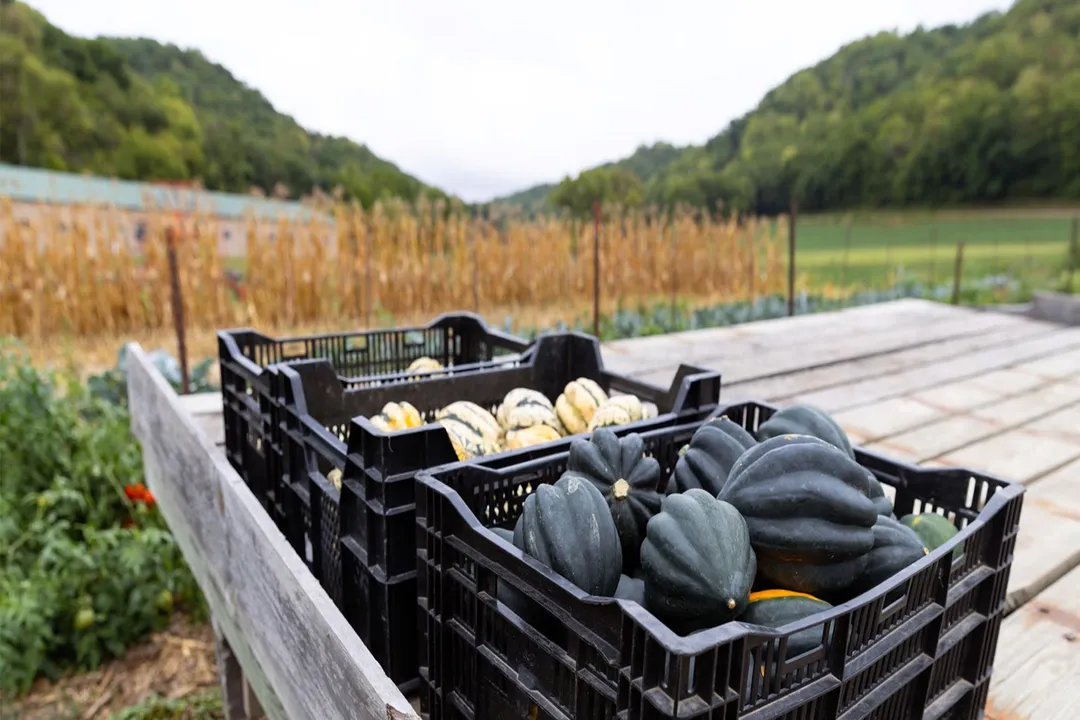
The health advantages derived from eating Carnival squash largely stem from the concentration of vitamins and the presence of antioxidants, like beta-carotene. [6] These compounds work together to support various bodily systems.
# Antioxidant Support
Antioxidants are essential because they help manage the free radicals in our bodies, supporting a healthy inflammatory response and maintaining cellular health. [1] The beta-carotene in squash, which gives it that characteristic warm color, is a prime example of a nutrient that offers protection against potential cellular damage. [1][6]
Squash varieties also contain other protective carotenoids, such as lutein and zeaxanthin. [6] These specific compounds are frequently highlighted for their role in supporting eye health, potentially helping to guard against age-related issues like macular degeneration. [1][6] By making this type of vegetable a regular fixture, you are proactively providing your body with compounds that fight oxidation. [1]
# Cardiac and Skeletal Wellness
The mineral profile of squash also contributes to systemic health. The combination of potassium and magnesium found in these gourds is linked to supporting healthy blood pressure levels. [1] Furthermore, the fiber content, as mentioned, helps move waste and toxins out of the body, which indirectly supports overall health, including cardiovascular function. [1] For bone health, the presence of Vitamin C and manganese is beneficial; manganese assists in building bone structure and increasing calcium absorption, while Vitamin C is necessary for collagen production, which is vital for building bone mass. [1]
# Culinary Practice
Carnival squash is a user-friendly vegetable once you get past its thick skin. Its natural sweetness means it pairs beautifully with both sweet and savory elements. When selecting one, look for skin that feels firm and matte, avoiding any soft spots, cracks, or signs of blemishes. [5] Since it is a winter squash, it has a good shelf life and should be stored in a cool, dry area, not in the refrigerator, where it can last for about a month.
When preparing it, you have options. Many people opt to cut it in half lengthwise, scoop out the seeds, and roast it until the flesh is tender. [6] The buttery sweetness that emerges after roasting pairs wonderfully with simple additions like a touch of butter, salt, pepper, or a drizzle of maple syrup and cinnamon. [5]
One tip to ensure you capture every bit of nutrition this squash offers is to embrace the skin. While some thicker-skinned varieties are often peeled, the skin of the Carnival squash becomes quite palatable and tender after roasting. [6] Rather than trying to separate the flesh completely, consider serving it directly from the skin, perhaps scooping out the flesh slightly to mix in savory fillings—like lentils and spinach—before returning it to the oven for a final bake. This method ensures you consume the skin, which contributes to the overall fiber and nutrient load of the dish without any extra steps to peel away valuable parts.
For those looking for bulk preparation ideas, once roasted, the tender flesh can be easily pureed. [5] This puree serves as an excellent way to enhance other recipes. Think about stirring it into mashed potatoes, blending it into a soup base, or incorporating it into creamy sauces like mac and cheese for an added boost of Vitamin A and texture. [5][6] This technique is particularly effective for sneaking extra vegetables into family favorites without drastically altering the familiar taste profile. [5]
# Versatile Usage
Winter squashes are adaptable across the menu, and Carnival squash is no exception. [6] Because it is a hybrid of acorn and sweet dumpling, it functions well as a substitute where those recipes call for an equivalent size or sweetness. [6] For instance, its natural affinity for maple syrup means it leans toward sweet applications—think quick breads, muffins, or a simple, caramelized side dish.
However, its slightly nutty undertone means it handles savory flavors just as well. Roasting it alongside heartier vegetables like Brussels sprouts or carrots, or using the flesh as a base for a veggie-rich chili, showcases its versatility. [5] If you are looking to increase protein alongside your vegetable intake, consider stuffing the roasted halves with a mix of grains and legumes, like the popular pairing of lentils and spinach mentioned in one preparation guide. This transforms a simple side into a satisfying main course that capitalizes on the squash’s ability to provide sustained energy due to its low glycemic index. [5] Enjoying a variety of squashes throughout the cooler months ensures a steady intake of diverse phytonutrients, but the Carnival squash remains an accessible, sweet, and remarkably colorful entry point into the world of winter gourds. [6]
Related Questions
#Citations
Squash – Types, Benefits and Recipes - Cambridge Food Bank
Here's Why You Should Add More Squash to Your Diet
The Head-to-Toe Health Benefits of Squash - Organic Valley
Protein-Rich Carnival Squash Recipe
29 Types of Squash: The Ultimate Buying Guide - Life Extension
Melissa's Carnival Squash Nutrition Facts - Eat This Much