Is alfalfa good for pregnancy?
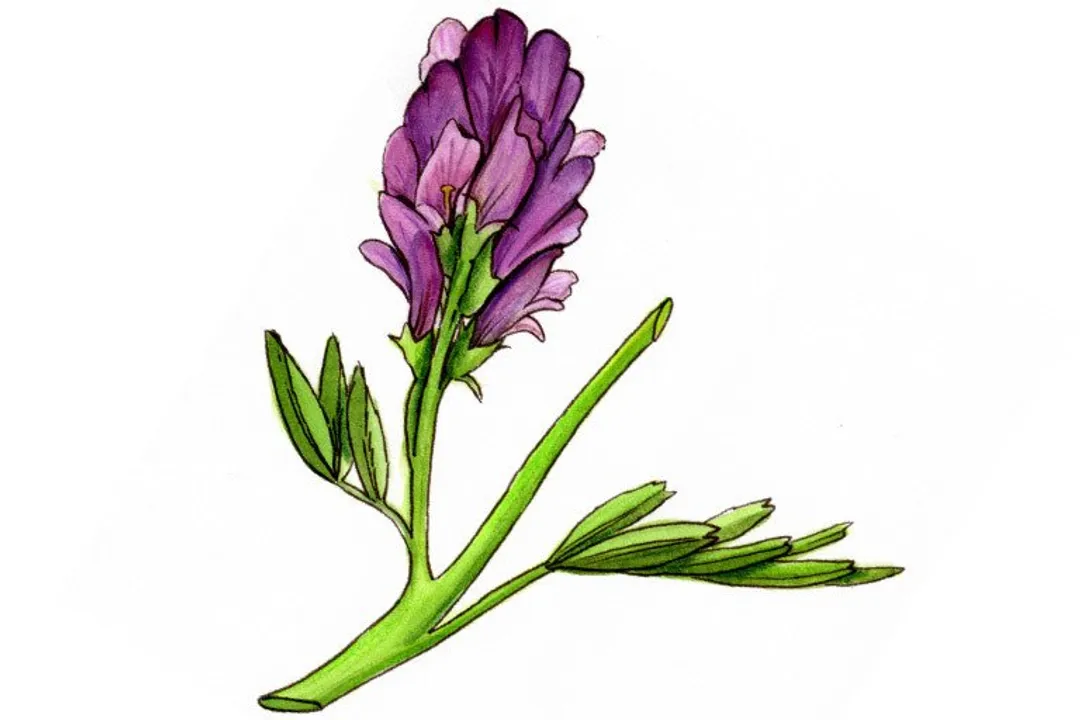
Many expectant parents look toward natural options to support their changing bodies, and alfalfa often surfaces in discussions about pregnancy nutrition due to its reputation as a nutritive herb. It is frequently listed alongside other herbs that may help support a healthy pregnancy or aid in postpartum recovery. However, when pregnancy is involved, any potential addition to the diet—especially herbal ones—requires a careful look at both the benefits and any established risks. Understanding what alfalfa brings to the table, and where caution is warranted, is key to making informed dietary choices.
# Nutrients Present
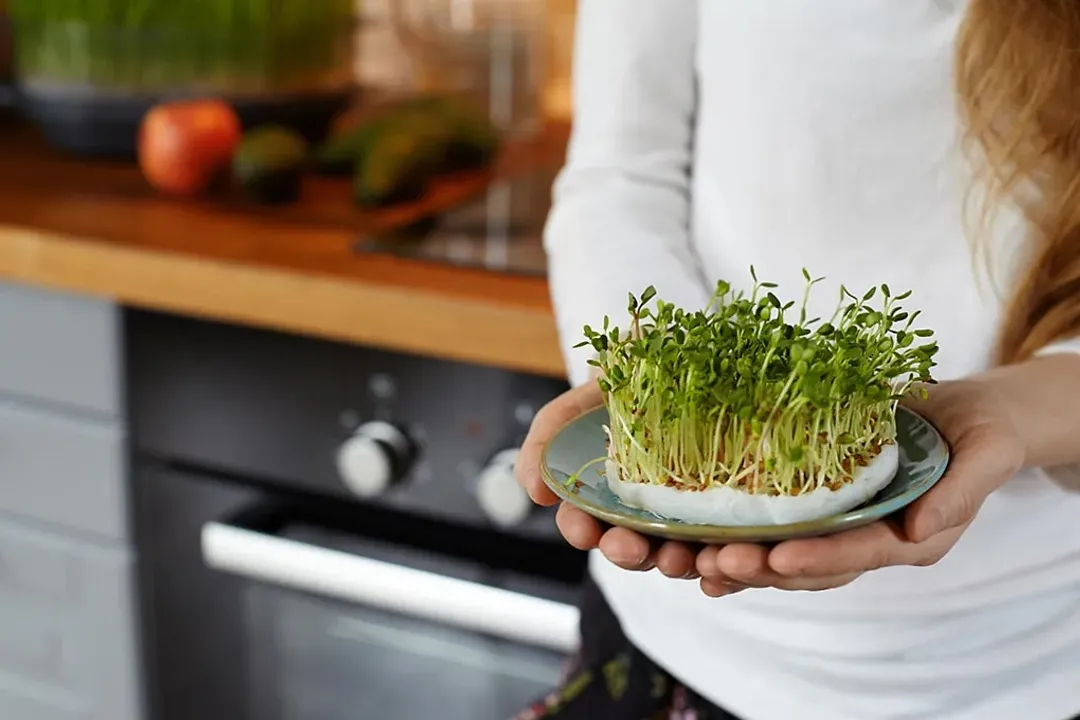
Alfalfa is recognized for being nutrient-dense, which is why it appeals to those seeking natural dietary boosts. It naturally contains several vitamins and minerals that are important during gestation. Sources indicate it offers Vitamin K, Vitamin C, and iron. Because of this nutritional profile, it has historically been used in traditional medicine as a general tonic to replenish the body's reserves. While these components are beneficial, it is important to note that the concentration and availability of these nutrients can vary widely depending on the part of the plant consumed and how it is prepared.
# Pregnancy Risks
The safety profile of alfalfa is complex, largely because the risks often depend heavily on the form in which it is consumed. While the dried, processed leaf used in some supplements or teas may present fewer immediate concerns, other forms carry specific dangers that experts advise avoiding during pregnancy.
# Raw Sprout Warning
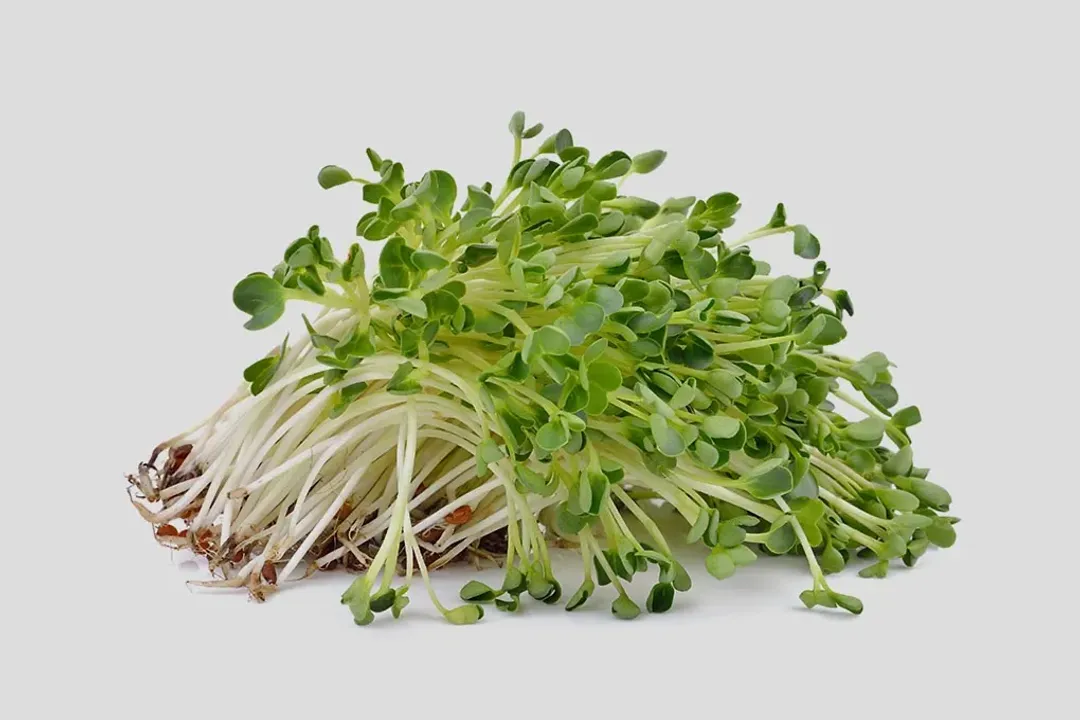
Perhaps the most significant and consistently cited danger related to alfalfa consumption during pregnancy involves the sprouts. Raw alfalfa sprouts are notoriously susceptible to bacterial contamination. Because the growing conditions for sprouts—warm and moist—are ideal for pathogens, they can easily become contaminated with harmful bacteria such as E. coli or Salmonella. Ingestion of these bacteria can lead to severe foodborne illness, which is a serious concern when pregnant, potentially leading to dehydration or other complications for both mother and baby.
It’s worth noting that while the contamination risk is primary for sprouts, the internal structure of the sprout itself can also concentrate certain compounds. If you are considering consuming any alfalfa product, a vital step is determining the processing method. For instance, if you are purchasing sprouts, always verify if they have been treated (like pasteurized or commercially steamed) to kill surface bacteria, though experts often advise complete avoidance of raw sprouts regardless of origin. If a product label does not explicitly state it is safe for pregnant individuals or is otherwise treated, the safest course is to abstain, preferring commercially prepared, cooked sources instead.
# Compound Concerns
Beyond bacterial risk, there are concerns related to compounds naturally present in the plant, particularly the seeds and sprouts. Alfalfa contains an amino acid called L-canavanine. In high concentrations, this compound has been linked in some studies to adverse effects, including potential alterations to the immune system or blood cell counts. While the amount found in small dietary amounts of the dried leaf might be negligible, consuming high amounts of concentrated seed extracts or excessive quantities of sprouts could theoretically increase exposure to levels that might be concerning during pregnancy.
Another historical consideration, though less frequently cited in modern safety warnings than the bacterial risk, is the potential for alfalfa to have estrogen-like effects or to stimulate the uterus. Because uterine stimulation is something to avoid during pregnancy, this historical concern adds another layer to why high-dose or concentrated alfalfa supplements might be approached with reservation by healthcare providers.
# Safe Preparation
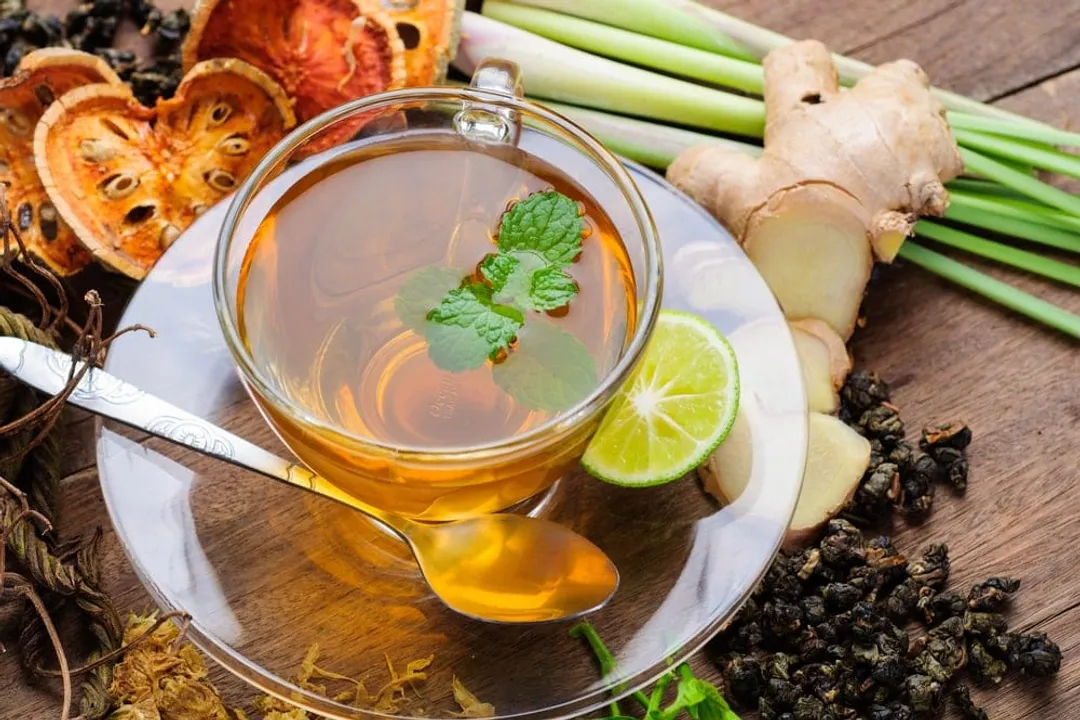
When evaluating alfalfa, it is essential to distinguish between the potential danger of raw sprouts and the general use of the dried herb. Many sources suggest that teas made from the dried leaves are generally considered safer than consuming raw sprouts because the drying process mitigates the bacterial risk, and the concentration of L-canavanine is typically lower than in seeds or sprouts.
If you are discussing alfalfa with your midwife or doctor, asking specifically about the form being considered is critical. For example, the safety profile of a store-bought tea bag containing dried, commercially processed alfalfa leaf is fundamentally different from the profile of a raw sprout eaten in a sandwich.
For those who are considering using alfalfa for its nutritive qualities, a comparison of risk types might be helpful: the danger from sprouts is primarily an immediate, acute contamination issue (food poisoning), whereas the danger from excessive supplementation or seeds centers on chronic exposure to natural compounds like L-canavanine. This distinction helps frame the conversation with your provider—one addresses immediate hygiene, the other addresses dosage and internal biological interaction.
# Consultative Approach
Given the variability in concentration and form, medical guidance is paramount. While some information suggests alfalfa may be an acceptable supplement, other material points toward strict avoidance of certain forms. Therefore, it is not a substance that should be introduced into a pregnancy diet based only on general health benefits found online.
A practical step for any expectant mother looking to incorporate herbal elements is to create a short list of the exact products they are interested in—tea brand, supplement dosage, or intended use—and review that list directly with a qualified healthcare professional specializing in prenatal care. This ensures that any potential drug or herb interactions, especially concerning substances like Vitamin K which can affect blood clotting factors, are properly managed. For instance, anyone on anticoagulant medications, which can sometimes be prescribed for specific pregnancy-related conditions, must be extremely cautious with Vitamin K-rich foods and supplements like alfalfa.
Related Questions
#Citations
[PDF] I have really come to know and respect alfalfa. Feel free to use ...
Herbs to support your pregnancy - Motherlove Herbal Company
Alfalfa in Pregnancy and During Breastfeeding - FirstCry Parenting
Alfalfa Uses, Benefits & Dosage - Drugs.com
Herbal Tea & Pregnancy | A Handbook for Expecting Mothers
Alfalfa | Memorial Sloan Kettering Cancer Center
ALFALFA – Uses, Side Effects, and More - WebMD
[PDF] Wise Use of Herbs and Vitamins during Pregnancy
Alfalfa, Allergies & Pregnancy - A Healthy Slice of Life
Can I Eat Alfalfa Sprouts While Pregnant?