What specific class of chemicals is recognized as the 'star players' in authentic wasabi's potential health profile?
Answer
Isothiocyanates (ITCs)
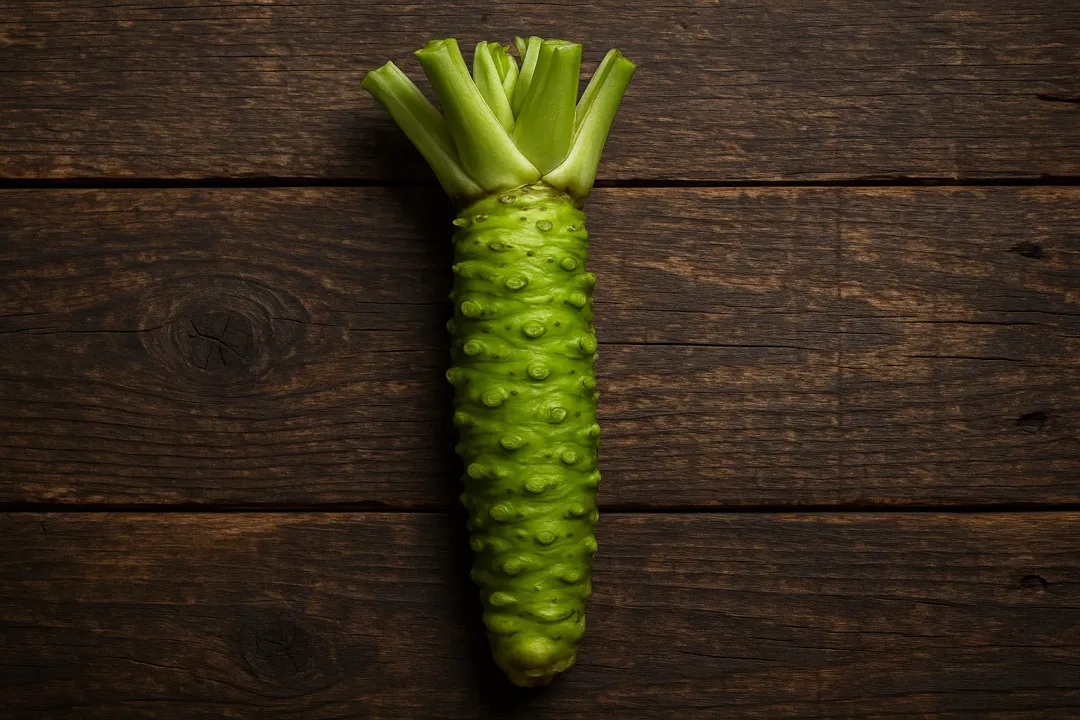
The compounds most strongly linked to the purported health benefits of authentic wasabi are the isothiocyanates, abbreviated as ITCs. These chemicals are directly responsible for generating the sharp, pungent flavor that rushes up the sinuses upon consumption, which occurs when the plant material is crushed or grated, releasing these volatile substances. Furthermore, these ITCs are not unique to wasabi; they are also naturally abundant in other cruciferous vegetables, such as broccoli and cabbage, indicating that the beneficial properties are related to this specific chemical structure.
Related Questions
What primary ingredient is commonly used, along with mustard and dye, to mimic genuine wasabi paste worldwide?What specific class of chemicals is recognized as the 'star players' in authentic wasabi's potential health profile?What specific anti-disease property is suggested to be exhibited by the Isothiocyanates (ITCs) found in wasabi?What immediate physical reaction results directly from the release of volatile ITCs when wasabi is crushed?What nutritional component, often present in moderate amounts in common horseradish paste, becomes a concern with high daily intake?What is the principal reason why consuming actual, genuine *Wasabia japonica* paste daily is considered both impractical and economically unfeasible?If someone relies on imitation paste daily, what constitutes the main nutritional difference compared to eating the genuine article regarding health benefits?Which cruciferous vegetables are suggested as an affordable and consistent source for obtaining the beneficial Isothiocyanates (ITCs)?What primary side effect is cited as a risk to the digestive tract from the high consumption of pungent compounds like those found in horseradish?What cognitive benefit for the brain might studies indicate is associated with consuming components derived from wasabi?When using common paste, what does observing the ingredient list to see starch and coloring before horseradish imply about daily consumption?