Can I eat wasabi every day?
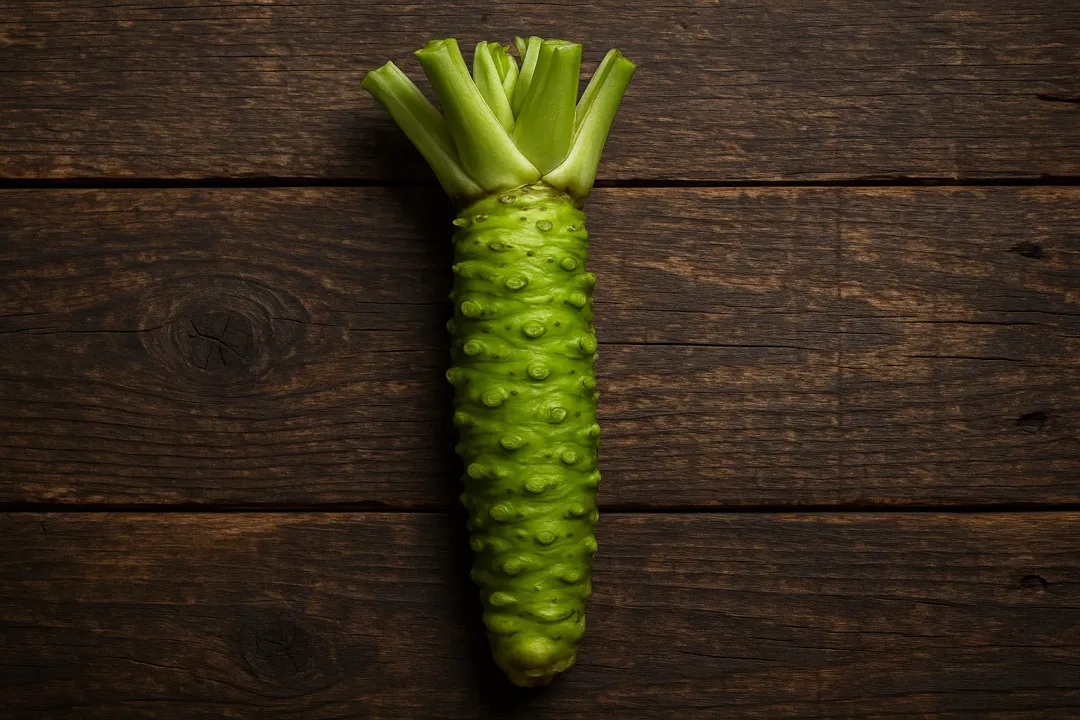
That familiar, sharp, nasal-clearing heat often associated with sushi isn't always the genuine article, which significantly colors any discussion about consuming it daily. The spice that jolts your senses, often served as a vibrant green dollop, is frequently a concoction designed to mimic the intense, fleeting burn of true wasabi, which originates from the rhizome of the Wasabia japonica plant. [4][5] Understanding what you are actually eating is the first step toward determining if a daily dose is advisable or even possible. [1]
# Paste Deception
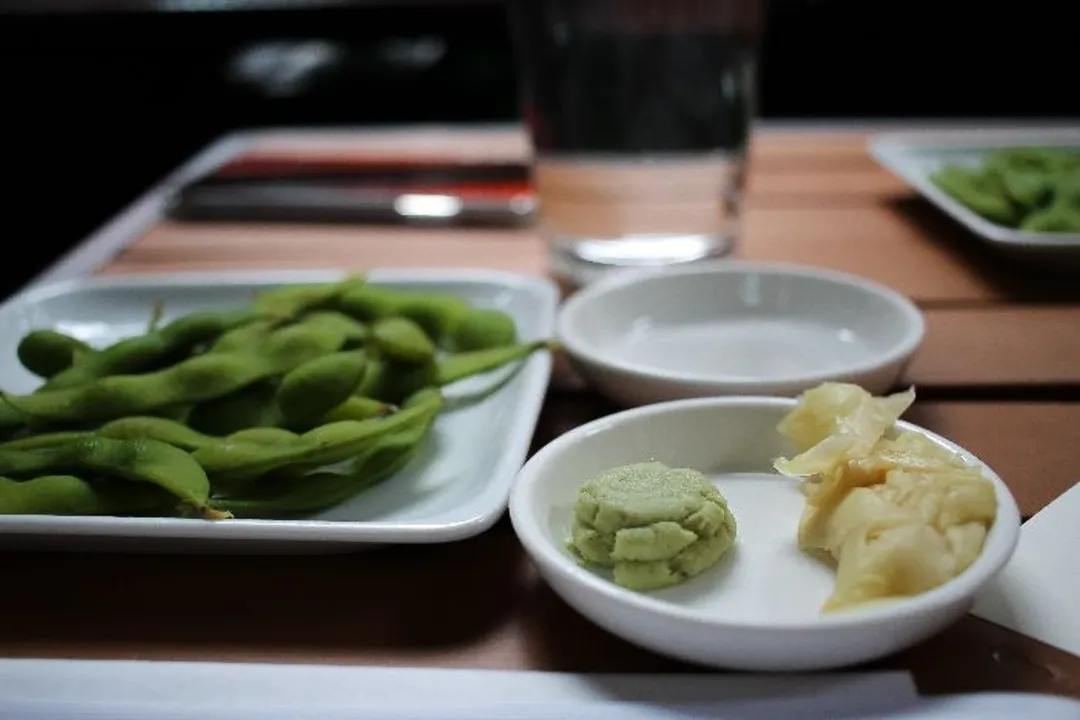
Most of the "wasabi" paste found worldwide is not derived from the precious, slow-growing Wasabia japonica rhizome. [4] Authentic wasabi is costly and difficult to cultivate, leading most commercial producers to use readily available ingredients like horseradish, mustard, and a touch of green dye to approximate the look and initial sensation. [5][7] Horseradish is a close relative, but its chemical makeup and nuance of flavor differ from the real thing. [4]
When you buy a tube or packet of wasabi powder or paste, you are overwhelmingly likely consuming this substitute mixture. [5] The primary difference in the context of daily consumption boils down to this: the potential health benefits are strongly linked to the compounds found in the real rhizome, not necessarily the flavor mimics. [7] If you are eating the substitute daily, you are primarily consuming horseradish, starch, and coloring agents, not the unique spectrum of beneficial molecules found in authentic wasabi. [5]
# Health Upsides

When focusing specifically on authentic wasabi, or even the horseradish base in the imitation paste, there are noted health attributes that might suggest routine inclusion in one's diet. [1][2] The star players in wasabi’s potential health profile are compounds called isothiocyanates (ITCs). [5][9] These chemicals are responsible for the characteristic pungent flavor and are also found in other cruciferous vegetables like broccoli and cabbage. [9]
These ITCs exhibit powerful antioxidant properties, which help combat oxidative stress in the body. [2][9] Some research suggests that these compounds may have anti-cancer properties, potentially by inhibiting the growth of certain types of tumors or pathogens. [2][9] Furthermore, studies have indicated that wasabi’s components might offer benefits for brain health, possibly aiding in memory improvement. [3] From an anti-inflammatory perspective, wasabi compounds show promise, suggesting they could help reduce systemic inflammation, a driver of many chronic diseases. [1][8]
The immediate sensory experience—that sharp rush up the sinuses—is a direct result of these volatile ITCs being released when the plant material is crushed or grated. [5] This acute physical reaction is often what people seek out when using wasabi with sushi or other dishes. [8]
# Real Vs Imitation
The nutritional discrepancy between the genuine article and the common substitute is crucial for assessing daily intake safety and efficacy. Real wasabi, derived from the grated stem of the plant, contains a specific profile of nutrients that are the basis for its purported health advantages. [7] The common paste, being primarily horseradish, will contain different concentrations of these beneficial compounds, and often, the concentration is deliberately modulated or the source material is different. [4][5]
For example, if you were to consume a standard portion of high-quality, horseradish-based paste (perhaps 5 grams, or about one teaspoon) daily, you might consume a significant amount of sodium, depending on the brand, alongside the horseradish benefits. If you were aiming for the unique benefits attributed to Wasabia japonica, consuming 5 grams of that real paste daily would be incredibly expensive and likely impractical due to its rarity and high cost. [4]
Here is a simplified comparison, noting that the exact profile depends heavily on the specific preparation of the imitation paste:
| Component (per serving estimate) | Real Wasabi Rhizome | Common Horseradish Paste | Implication for Daily Use |
|---|---|---|---|
| Isothiocyanates (ITCs) | High concentration, unique profile | Moderate to High (based on horseradish) | Source of primary health benefit |
| Sodium | Low | Moderate (added during processing) | Concern for high daily intake |
| Cost/Availability | Very High / Rare | Low / Ubiquitous | Affects feasibility of daily consumption |
If someone consumes a teaspoon of the imitation paste every day, they are getting a daily dose of horseradish's benefits, but the specific, highly researched benefits attributed to Wasabia japonica itself may be missing or significantly diluted. [7]
# Daily Limits Risks
While the potential health benefits are appealing, eating any intensely flavored condiment daily, especially in larger quantities, carries potential risks, even if it's not the fake stuff. [1] The most commonly cited side effect relates to the digestive tract. High consumption of pungent compounds, such as those in horseradish, can cause stomach upset or irritation in sensitive individuals. [1]
Moreover, due to its high concentration and irritant nature, excessive wasabi intake can lead to sinus irritation. [1] While the burn from wasabi is typically short-lived and confined to the nasal passages, chronic high exposure to the vapors or concentrated irritants might cause discomfort for people prone to sinus issues.
Considering the imitation pastes, a long-term daily habit means a continuous, low-level intake of additives like artificial colorings or stabilizers, which, while generally recognized as safe in small amounts, are not adding nutritional value. [5] If someone relies on the imitation paste to get their "wasabi fix" and unknowingly consumes several times the typical serving size in a day—perhaps due to heavy use on multiple meals—they are magnifying the intake of salt and unnecessary fillers without necessarily increasing the intake of beneficial ITCs. [1]
# Smart Enjoyment
For someone keen on incorporating wasabi into their routine, a nuanced approach is best, one that prioritizes quality over quantity. Since real wasabi is exceptional, treating it as an occasional, high-impact condiment rather than a staple seasoning makes more sense from both a practical and culinary standpoint. [4]
If your goal is to maximize the health benefits associated with ITCs, you might find more consistent and affordable results by regularly consuming other cruciferous vegetables where the compounds are naturally abundant and balanced within a whole food matrix, such as raw broccoli florets or mustard greens. [9] This approach sidesteps the cost and authenticity issues entirely.
However, if the experience of wasabi itself is what you enjoy, consider this: the intensity of the burn correlates with the presence of the volatile ITCs. [5] Therefore, when you do use wasabi, use just enough to get that characteristic sensory "kick," as that fleeting heat is your signal that the active compounds are present. When eating the common paste, pay attention to the ingredients label; if you see water, starch, and food coloring listed before horseradish, you know you are consuming mostly filler, and scaling back the daily amount becomes an exercise in avoiding unnecessary additives rather than maximizing health gains. For instance, if a standard portion of paste contains around 100-150mg of sodium, eating that every day adds roughly 36 to 54 grams of sodium over a year just from the condiment, which warrants attention if you are monitoring salt intake. [6]
Ultimately, whether you can eat wasabi daily depends entirely on what "wasabi" means to you. For the vast majority, eating the common green paste daily in typical sushi-sized servings is generally safe, provided you are mindful of the sodium content and your personal tolerance for digestive spice. However, if you are seeking the specific, powerful health effects attributed to the rare, true rhizome, a daily habit is likely unsustainable and economically unfeasible, making more accessible cruciferous vegetables a wiser choice for consistent nutritional impact. [2][7]
Related Questions
#Citations
What are the pros and cons of eating wasabi every day? - Quora
Wasabi: Are There Health Benefits? - WebMD
Wasabi, beloved on sushi, linked to "really substantial" boost in ...
3 Reasons Wasabi Is Good for You
10 Surprising Health Benefits of Wasabi - byFood
Wasabi: Calories, Nutrition and Health Benefits - NutriScan App
When it comes to authentic wasabi, the usual nutrients aren't the real ...
Tips to Pair Wasabi with Foods for Health Benefits - Ram&Roll
6 Promising Health Benefits of Wasabi - Healthline