Can you get sick from cuttlefish?
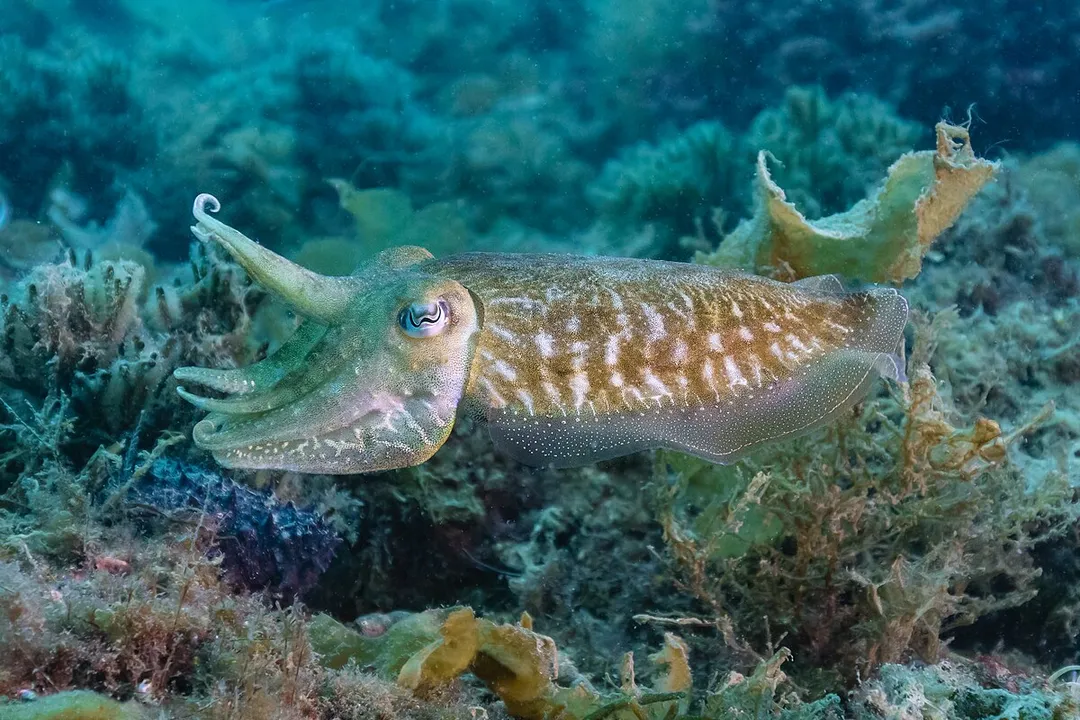
While many species of cuttlefish form a staple part of seafood diets globally, the simple act of consuming them carries a spectrum of potential risks, ranging from mild dietary side effects to severe, life-threatening toxicity depending on the specific type consumed and the quantity eaten. The central question of whether sickness can result hinges entirely on identification and preparation, as not all cephalopods are created equal when they end up on a plate or near a diver.
# Species Toxicity
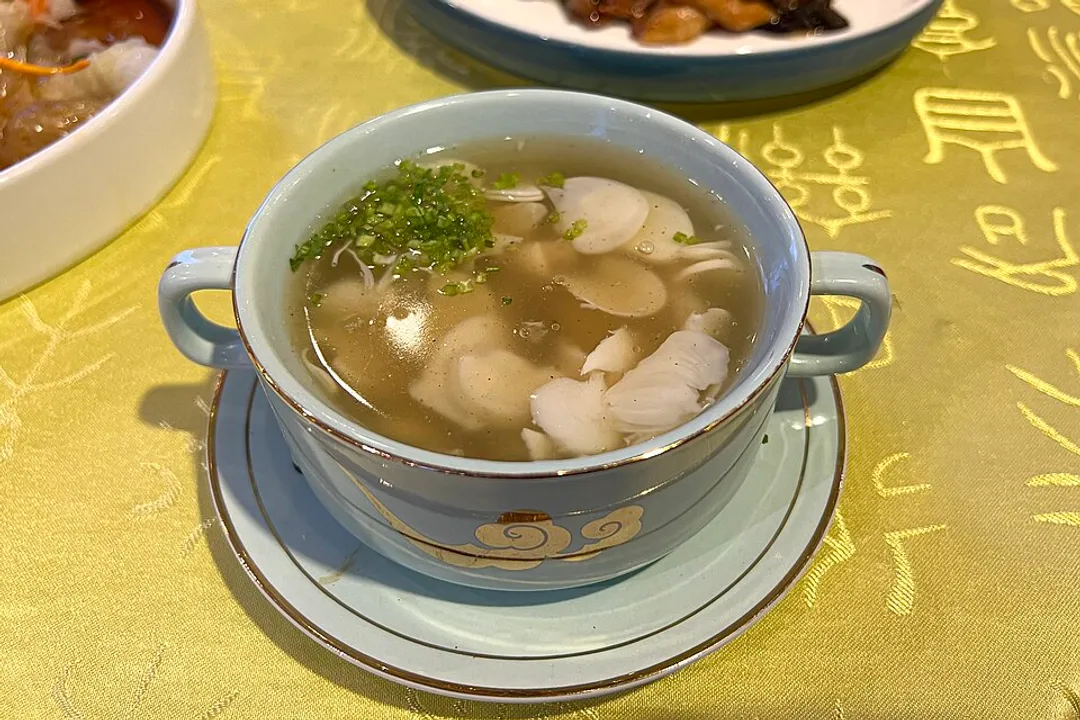
The most immediate and severe danger associated with cuttlefish comes not from common food preparation errors but from specific, vividly colored species. The Flamboyant Cuttlefish (Metasepia pfefferi) stands out as a significant hazard. This particular creature is recognized as highly toxic and is even described as venomous, meaning it actively injects toxins, typically as a defense mechanism.
The potency of the venom/toxins in the flamboyant species is extremely concerning; reports suggest that the toxins carried by these small, attractive marine animals are powerful enough to be lethal to humans. This sharply contrasts with the hundreds of other cuttlefish species that are safely harvested and eaten worldwide. For anyone encountering cuttlefish in the wild, especially in regions like Lembeh where the flamboyant variety is found, understanding this distinction is critical—mistaking a venomous species for a common edible one is a potentially fatal error. It highlights a crucial, non-obvious point for the general consumer: safety isn't just about sourcing from a reputable vendor; it's about the underlying biology of the creature being harvested. A species known for its striking coloration often signals a chemical defense system that humans should never test.
# Preparation Hazards
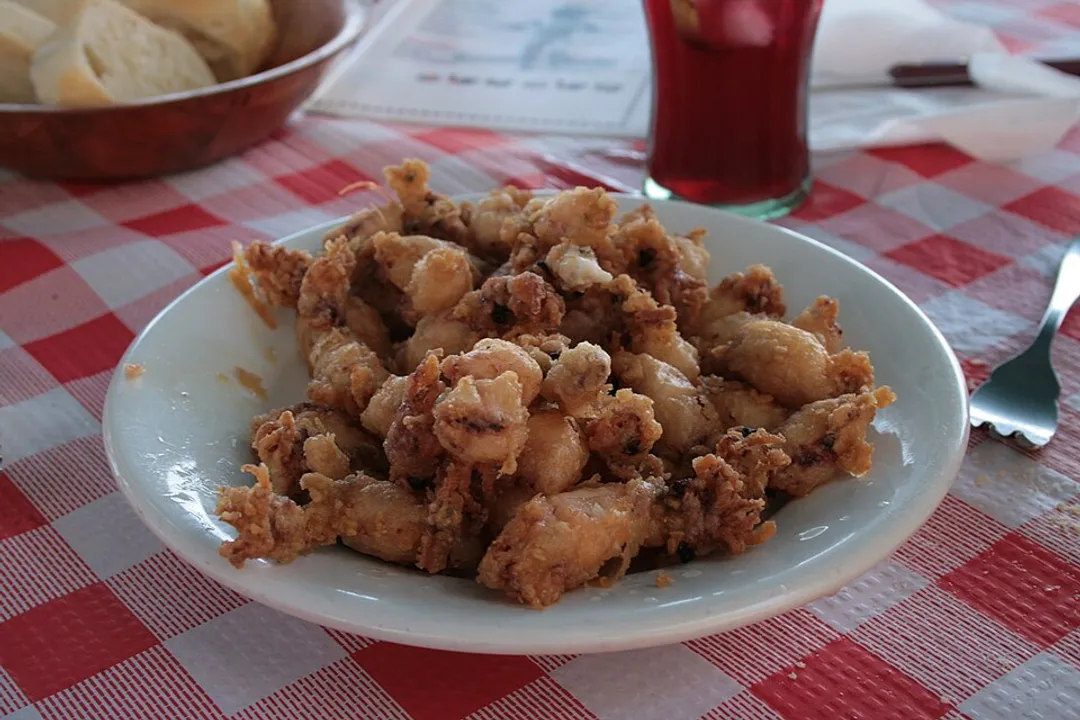
Setting aside the highly toxic species, sickness can arise from consuming commonly eaten cuttlefish if they are improperly handled or prepared, mirroring risks associated with any raw or undercooked seafood. Foodborne illness remains a constant possibility. When handling and preparing seafood, inadequate hygiene or temperature control can allow harmful bacteria to multiply, leading to gastrointestinal distress. While the specific bacteria vary, the resulting symptoms often involve nausea, vomiting, diarrhea, and abdominal pain, which can sometimes necessitate medical intervention.
Furthermore, some marine toxins, though perhaps less frequently linked directly to cuttlefish than to other shellfish, can contaminate any mollusk or cephalopod if environmental conditions are right. Paralytic, neurotoxic, or diarrhetic shellfish poisoning symptoms manifest rapidly and require immediate attention. Although the sources do not confirm cuttlefish are primary vectors for these specific syndromes as often as bivalves, the general principle of seafood contamination risk applies universally.
# Dietary Overload
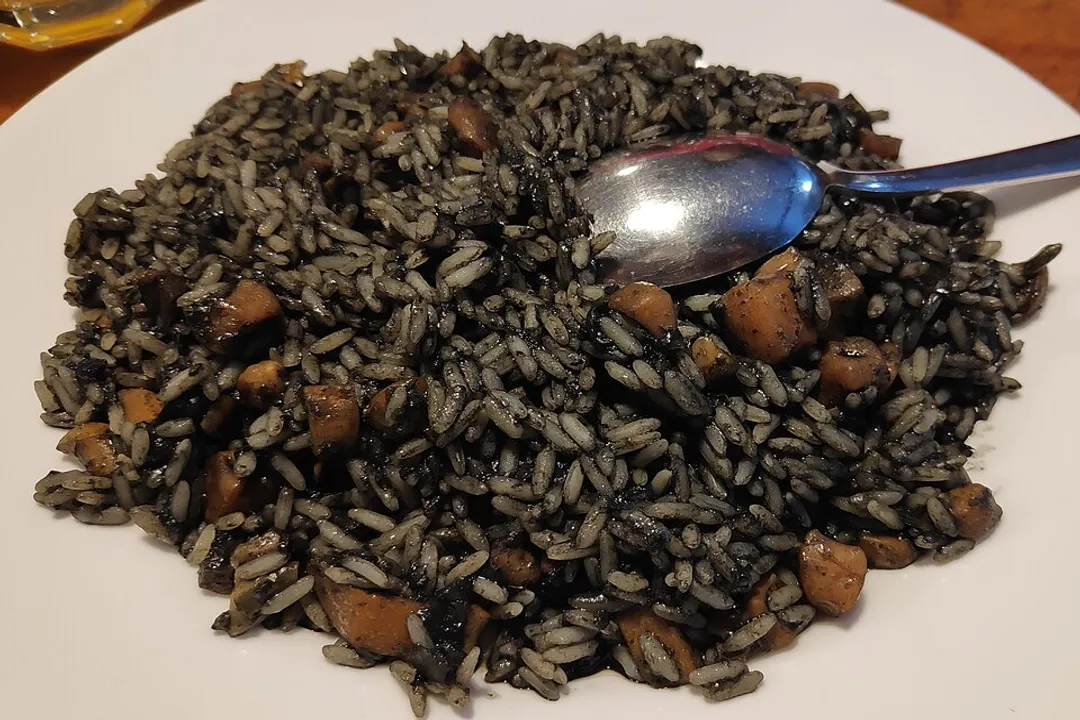
Even when the cuttlefish is a safe, edible species, eating it excessively can still contribute to health problems, primarily related to its nutritional profile. Cuttlefish, like many cephalopods, are known to be quite high in cholesterol. For individuals already managing high cholesterol levels or those advised to limit dietary fat and cholesterol intake, frequent, large servings of cuttlefish could negatively impact their cardiovascular health markers.
Another concern arising from high consumption is the elevated uric acid levels associated with these mollusks. Uric acid buildup can trigger or exacerbate conditions like gout, an inflammatory form of arthritis characterized by intense joint pain. If a person consumes large quantities of cuttlefish over time, particularly if they are already predisposed to gout, this dietary choice could precipitate an attack.
Moreover, the sodium content in cuttlefish demands attention, especially when considering preservation methods. Cuttlefish naturally contain sodium, but processing methods intended to extend shelf life, such as drying or heavy salting, significantly increase this level. High sodium intake is directly linked to elevated blood pressure, increasing the risk of hypertension. This is particularly relevant in traditional or local markets where preservation techniques might prioritize longevity over strict sodium moderation, meaning a dried cuttlefish product might carry a much higher sodium load than its fresh counterpart. Understanding this difference allows consumers to moderate intake based on how the product has been processed.
# Gastrointestinal Response
When illness does occur—whether from bacterial contamination or general dietary excess—the presentation often centers on the digestive system. Symptoms can range from mild discomfort to severe gastrointestinal upset. Recognizing the nature of the sickness guides the appropriate response. If the illness is suspected to be acute poisoning, perhaps from encountering a toxic species or ingesting spoiled product, immediate medical attention is paramount due to the potential severity.
For general seafood poisoning, symptoms might include the typical cycle of nausea, vomiting, and diarrhea. If the symptoms are primarily related to excessive intake of a safe species, such as recurring gout flare-ups or persistent high blood pressure symptoms due to sodium, the response is usually dietary modification rather than emergency medical treatment. In any scenario involving severe vomiting or diarrhea, staying hydrated is a primary concern to prevent dehydration, a common complication of acute gastroenteritis. When symptoms are intense or persist longer than a day or two, consulting a healthcare provider is necessary to rule out serious bacterial infection or toxin exposure.

# Managing Seafood Illness
If a person suspects they have become sick from consuming cuttlefish, the initial steps depend on the severity and suspected cause. For mild digestive issues following the consumption of commonly available species, rest and fluid replacement are often advised. However, if the exposure involved a brightly colored, unfamiliar cuttlefish, or if symptoms appear rapidly and include neurological signs, this moves beyond standard food poisoning and into acute toxicity territory, demanding immediate emergency services contact.
While general first aid for wilderness shellfish poisoning often involves treating symptoms like vomiting and diarrhea, specific toxins require specific antidotes or interventions that only medical professionals can provide. For instance, if a highly toxic species was involved, the rapid onset of symptoms necessitates urgent clinical evaluation. A responsible approach dictates treating any severe reaction to seafood—especially one where the origin is uncertain—as a medical emergency until proven otherwise.
Related Questions
#Citations
The Negative Effects of Consuming Too Much Cuttlefish
Are cuttlefish dangerous to humans? - Quora
Are the Flamboyant Cuttlefish in Lembeh venomous or poisonous
Highly poisonous,Flamboyant cuttlefish : r/OceansAreFuckingLit
Seafood Toxicity: Overview, Finfish Poisoning, Shellfish Poisoning
Food Poisoning from Shellfish: Signs, Symptoms, Treatment - WebMD
Seafood poisoning fact sheet - NSW Health
Cuttlefish - Wikipedia
Trauma Associated Lesions in the Cuttlefish, Sepia officinalis - VIN