What happens if you get coral in your skin?
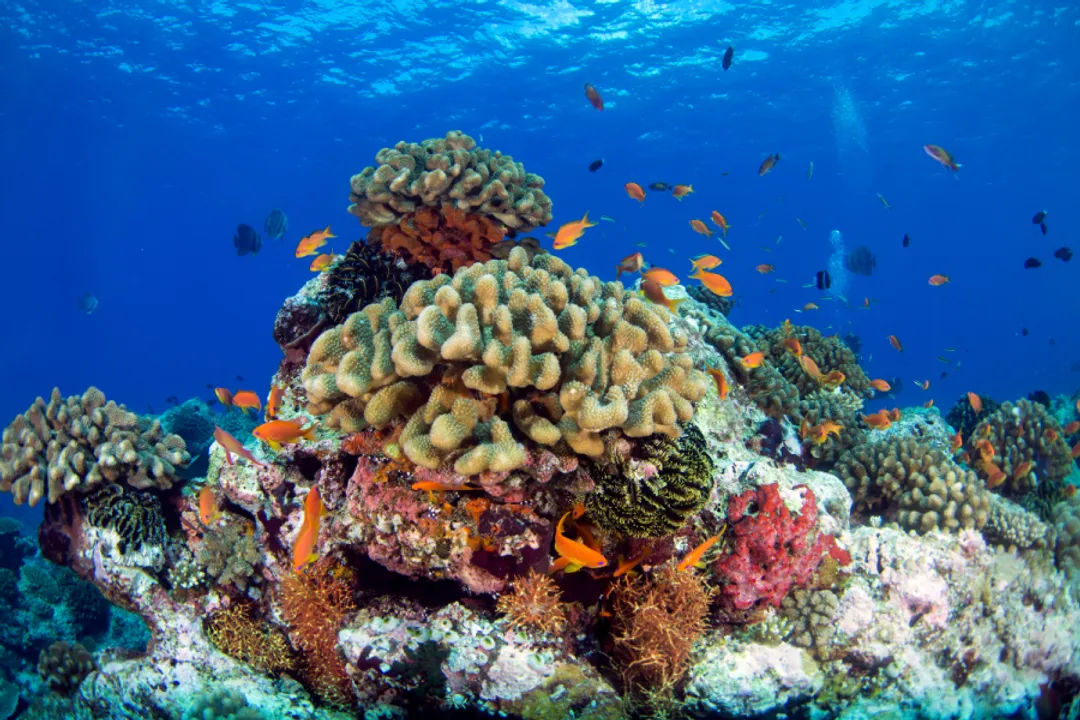
The instant you scrape against a coral formation while snorkeling, diving, or surfing, a unique set of biological risks becomes active. This is not like a simple rock abrasion; coral is a living, sharp, and often microbial-covered animal skeleton. [3][4] The immediate concern shifts rapidly from the pain of the cut to the potential for serious, lingering infection due to foreign material lodged in the skin. [4] Even a seemingly minor contact can lead to wounds that take weeks, or even months, to seal completely. [1][10]
# Reef Structure
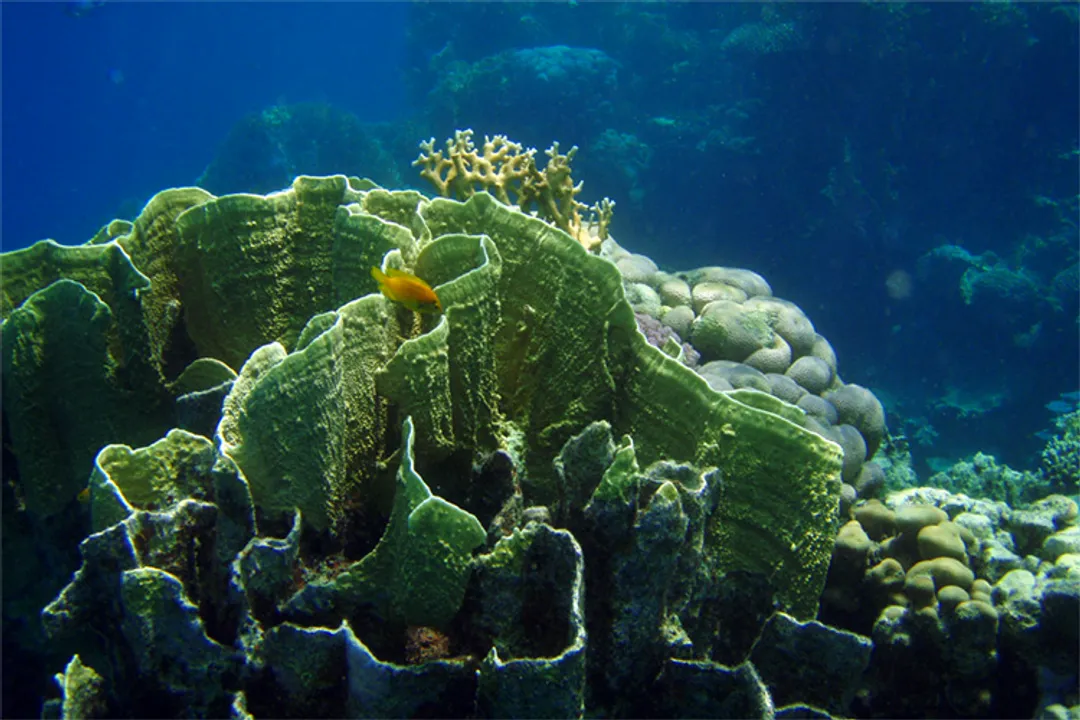
Corals are marine animals, or polyps, that secrete a rigid, sharp calcareous outer skeleton. [3] This abrasive structure is often hidden beneath soft living tissue. [4] When contact occurs, this rigid structure tears the skin, creating a scrape or cut. [4] These injuries are frequent among those who spend time in tropical waters, such as surfers and divers. [4][1] Furthermore, the surface of the coral, much like submerged rock, harbors a collection of viruses, bacteria, and slime. [1] If these microscopic invaders enter the wound—and they often do—the potential for infection rises significantly. [3][4] Research even indicates that coral banks closer to human population centers may carry a higher concentration of these resident bacteria. [1]
Beyond the mechanical abrasion and contamination, some coral species possess specialized structures called nematocysts. [4] These are stinging cells that can inject toxins upon contact. [3] Fire coral, for instance, is technically a hydrozoan, not a true stony coral, and contact can result in envenomation causing immediate burning. [5] The overall severity of the reaction—be it a simple scrape or a toxic sting—depends on the amount of toxin present, the injury's size, and the individual's existing sensitivity to marine substances. [4]
# Injury Manifestations
The immediate fallout from a coral contact usually involves sensations of burning, pain, and itching, which may be accompanied by a visible rash. [4][5] When the injury is purely abrasive—a scrape or cut—the wound site may appear inflamed, swollen, and tender. [3]
However, the injury’s presentation can evolve significantly over time, often confusing patients and clinicians alike. [4]
# Delayed Reactions
A key difference between a coral injury and a typical terrestrial cut is the potential for the body to react to microscopic debris left behind. If small fragments of the calcareous coral material or associated proteins remain embedded after the initial scrape, the body initiates a defense mechanism. [4][3] This results in a foreign body reaction, manifesting as granulomas—small, raised, tender bumps often described as "raspberries". [4][2] These can be intensely itchy and may persist for several weeks or months while the body attempts to wall off and eliminate the foreign substance. [4][2]
For fire coral stings, a characteristic delayed reaction is also common: the initial pain and rash might seem to resolve, only to reappear days or even weeks later. [5] This delayed hypersensitivity is typical for these types of envenomations. [4]
In rare but serious cases, a chronic, non-healing wound can become a focus for opportunistic pathogens. [4] Mycobacterium marinum, known to cause "fish tank granuloma," thrives in cooler temperatures, often affecting cooler areas like hands, knees, and elbows. [4] This infection presents as red, bumpy nodules and may not respond to standard antibiotic treatments, signaling a need for specific diagnostic inquiry. [4]

# Initial Cleanup
Because of the high risk of infection, immediate and thorough wound care following contact with coral is the most critical factor in preventing complications. [4][7] The goal of initial first aid is twofold: mechanically remove embedded material and disinfect the exposed tissue. [1]
The standard procedure across many sources emphasizes aggressive cleansing:
- Scrubbing: Vigorously scrub the cut with soap and clean water. [4][5] One recommendation suggests using a clean toothbrush to physically scrub the wound to dislodge small particles embedded in the skin. [1]
- Flushing Debris: Following the soap wash, the wound should be flushed with copious amounts of fresh water. [4][5] Some protocols specifically advise flushing with a mixture of half water and half hydrogen peroxide to help remove coral dust and foreign agents before a final rinse with fresh water. [3][5]
This aggressive approach—scrubbing and using peroxide—is aimed at debriding the site of all foreign material. [1]
However, caution is required, as this thorough mechanical debridement can be damaging. If the injury is more of a sting than a deep scrape, or if the skin is already very broken, hard scrubbing can cause more tissue damage, potentially increasing the chance of infection. [6] It's a balancing act: you must clear the abrasive material that leads to chronic inflammation, but you must not traumatize the tissue further. [4][6]
For managing visible debris, tweezers should be used carefully to extract tiny pieces of coral or dirt, ensuring they are not pushed deeper into the tissue. [1][6] If bleeding occurs, apply direct pressure to stop it. [6] After cleaning, apply a thin layer of antiseptic ointment, like bacitracin, and cover the area with a dry, sterile, non-adherent dressing. [3][4] If no supplies are available, leaving the wound open while continuing to clean it twice daily is an alternative to improper bandaging. [5]
# Fire Coral Treatment
If you suspect the contact was with fire coral or another cnidarian that stings, the initial response must prioritize neutralizing any remaining unfired stinging cells before or alongside standard cleaning. [5][7]
For stings, rinsing the affected area with a diluted acetic acid solution, which is essentially household white vinegar, is recommended. [5][7] Vinegar helps to stabilize the nematocysts, preventing them from injecting further venom into the skin. [5][7] It is important to understand that vinegar will not undo venom that has already been injected. [5] Immersion in hot water is also often cited as a treatment that can help reduce the acute symptoms caused by the toxins. [4][7]
Once the rinsing/soaking is complete, treat any resulting rash or blisters as directed for general coral contact, but avoid puncturing any formed blisters, allowing them to dry naturally. [5]

# Infection Watch
Whether the injury was a sting or a scrape, constant monitoring for secondary bacterial infection is essential, as this is one of the most frequent complications of non-stinging coral injuries. [4] Keep these wounds clean and re-dress them daily. [5]
Seek immediate medical attention if you notice any of the following red flags, which suggest cellulitis or a more aggressive infection:
- Spreading redness of the skin around the wound site. [3][4]
- Red streaks extending up an arm or leg toward the body center. [3][10]
- Pus draining from the wound, or the wound developing a crust. [3][4][10]
- Increased pain, warmth, or swelling that does not subside. [10]
- Systemic signs like fever, chills, or fatigue. [4]
For pain relief in the first few days, over-the-counter non-steroidal anti-inflammatory drugs (NSAIDs) like ibuprofen are generally used. [3] Itching can sometimes be managed with topical steroid ointments for a few days, or oral antihistamines, though steroid use can sometimes prolong a skin infection if one is present. [4][7]
When consulting a healthcare provider, always mention the marine source of the injury. Due to the risk of serious, aggressive bacteria like Vibrio spp., especially in individuals with compromised immune systems (like those with diabetes or chronic liver disease), oral or even IV antibiotics may be necessary. [3][4] Because any break in the skin risks tetanus, confirm your vaccination status is current. [5][10] If a wound becomes chronic—remaining open, red, or bumpy weeks or months later—it is important to ask your physician to specifically consider a diagnosis of Mycobacterium marinum. [4]
One helpful approach, especially when dealing with the possibility of a delayed reaction, is to document the wound immediately after injury and then continue photographing the area every few days. This is particularly useful if you leave the tropical environment, as the appearance of delayed coral dermatitis or a granuloma weeks later can baffle a non-specialist provider. Having a visual record tied to the initial event aids in gaining the correct diagnosis without simply relying on memory weeks after the fact. [2]
# Preventative Measures
Ultimately, the best treatment is prevention. Since the rigid structure itself causes injury, the primary strategy involves minimizing direct skin contact with the reef structure. [5]
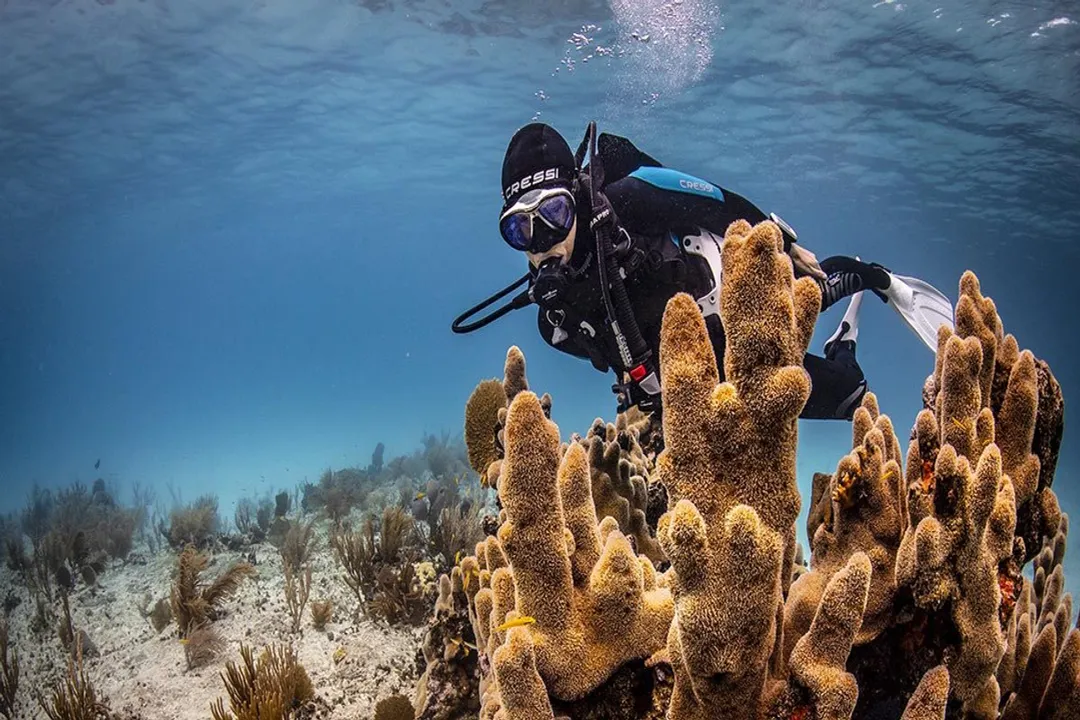
Whenever possible, wear protective clothing. A full-length wetsuit or a dive skin acts as a physical barrier against accidental scrapes if you are bumped by a current or another person. [4][7] Even when wading or snorkeling in shallow water where one might feel less need for protective gear, remember that coral can grow on hard surfaces like jetties, making even waist-deep encounters hazardous. [2] If you must rest on the bottom, seek out clear, sandy patches rather than settling onto a reef. [5]
For those frequently engaging in watersports where reef contact is inevitable, assembling a dedicated marine animal first aid kit is a sound investment. Beyond the standard supplies, ensure this kit is stocked specifically with household white vinegar (for fire coral) and perhaps an oral antihistamine, as rapid deployment of the correct neutralizing agent can significantly reduce the severity of a sting reaction before you even make it back to shore. [4][7]
For divers and snorkelers, maintaining excellent buoyancy control is paramount. This control minimizes accidental contact with the reef, which benefits both your skin and the fragile coral ecosystem itself. [5][7] Remember that once an injury occurs, it needs time to fully seal. Returning to the water before a scrape is entirely healed risks introducing more waterborne pathogens into the compromised tissue, restarting the infection cycle. [1]
#Videos
The Surgeons Guide To Cleaning Reef Cuts - Surfing Explained
Related Questions
#Citations
Coral Scrapes and Cuts - Divers Alert Network
Coral Cuts First Aid, Treatment, Symptoms & Healing Time
ASK DAN: How Do I Treat Injuries from Accidental Contact with ...
A Case of Cellulitis Associated with Coral Injury - PubMed Central
Marine Stings and Scrapes | NorthShore - Endeavor Health
Coral scrape while snorkelling : r/diving - Reddit
Coral Cuts, Scrapes and Rashes | DAN Southern Africa
How to treat coral cuts - Surfer Today
Marine Stings and Scrapes in Teens: Care Instructions
The Surgeons Guide To Cleaning Reef Cuts - Surfing Explained