What critical distinction separates the danger of the Flamboyant Cuttlefish from common food preparation errors?
Answer
It actively injects toxins, classifying it as venomous for defense.
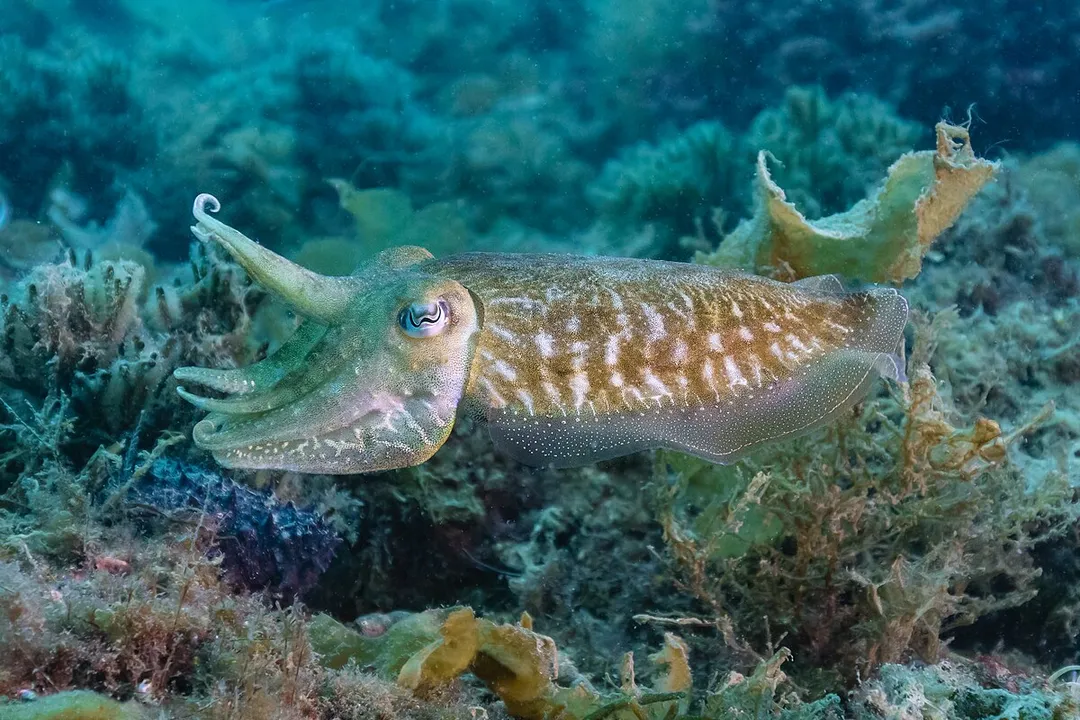
The primary danger associated with the Flamboyant Cuttlefish stems from its biological defense mechanism, which involves actively injecting potent toxins, making it venomous. This is a direct, inherent hazard of the creature itself, irrespective of how it is handled or cooked, unlike risks associated with foodborne bacteria or general seafood contamination. The text stresses that mistaking this venomous species for a common edible one, especially when encountered in the wild in areas like Lembeh, poses a potentially fatal error because its toxicity is chemically delivered rather than acquired through environmental factors or improper preparation.
Related Questions
Which cuttlefish species is recognized as highly toxic and actively venomous?What critical distinction separates the danger of the Flamboyant Cuttlefish from common food preparation errors?What primary issue causes illness when commonly eaten cuttlefish are improperly handled?What health risk arises from frequently eating large quantities of safe cuttlefish related to its nutritional composition?How does the processing of cuttlefish for longevity, such as heavy salting, affect consumer risk?What specific condition associated with elevated uric acid can be triggered by high consumption of cuttlefish?If symptoms of acute poisoning, potentially from a toxic species, appear rapidly, what is the recommended initial response?Where is the venomous Flamboyant Cuttlefish variety specifically noted to be encountered by divers?What must be a primary concern when managing symptoms of acute gastroenteritis following general seafood poisoning?What generalized risk associated with contaminated mollusks might apply to cuttlefish, even if less commonly confirmed than for bivalves?