How do you get coryza?
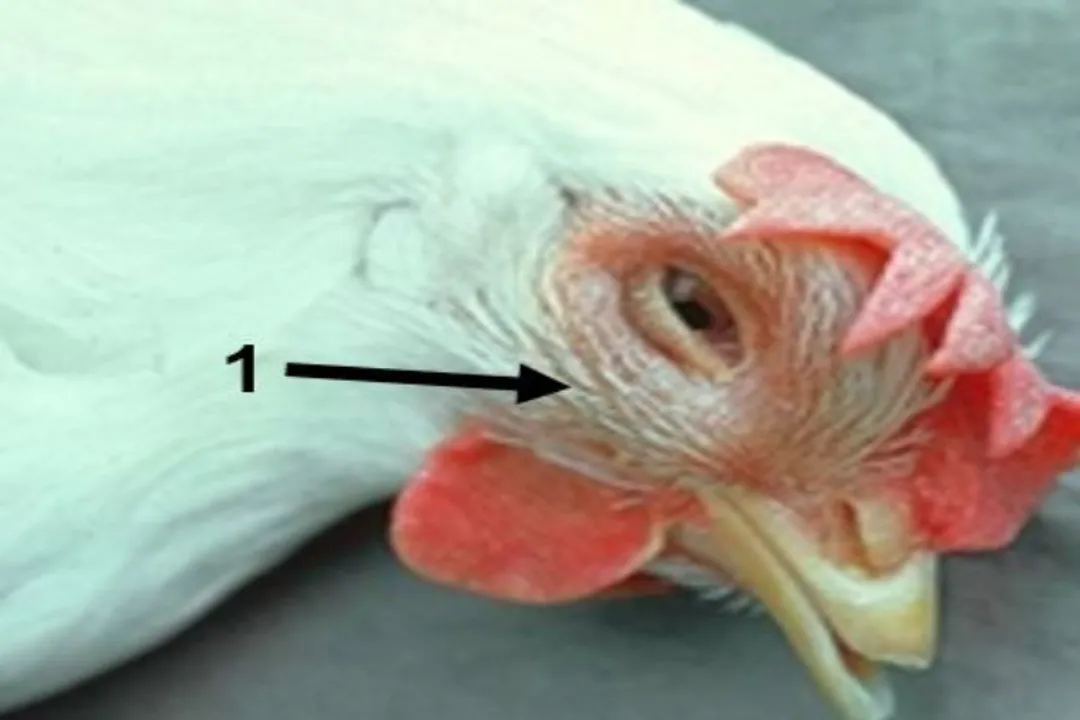
The arrival of respiratory distress in your flock, marked by sneezing, bubbling noises from the throat, and excessive moisture around the eyes and nostrils, signals a potential encounter with Infectious Coryza (IC). Understanding how this common, highly contagious ailment establishes itself among poultry is the first and most crucial step for any caretaker aiming to keep their birds healthy and productive. [2][3][9] This illness, often referred to simply as "roup," is notorious for spreading rapidly through a group, even when the causative bacteria might only cause mild symptoms in some individuals. [1][7]
The core issue surrounding the acquisition of Coryza involves exposure to the specific bacterium responsible, primarily Avibacterium paragallinarum. [1][2][4] However, the picture is often complicated because other bacteria, such as Mycoplasma gallisepticum or Pasteurella multocida, can be involved, either initiating the infection or worsening the condition once A. paragallinarum has broken down the bird’s natural defenses. [4][6] In some cases, Mycoplasma or Infectious Bronchitis Virus (IBV) can cause similar clinical signs, but true Infectious Coryza is specifically linked to A. paragallinarum. [1][7] The bacteria itself is fragile outside a living host, meaning the transfer relies on direct interaction or the transfer of contaminated material. [1][5]
# Transmission Routes
The primary mechanism through which a bird contracts Coryza is direct contact with an infected individual. [1][7] This is the simplest path of acquisition. If a healthy bird comes into close contact with a sick bird—perhaps sharing a feeder, roosting side-by-side, or simply investigating an affected neighbor—the transfer of pathogens is likely. [2]
Another highly efficient method of spread is through the air. Infected birds expel respiratory secretions when they cough or sneeze. [2][4] If a flock is housed closely, these infectious droplets can travel short distances via aerosols, settling on mucous membranes of neighboring birds. [5][7] The speed at which this happens explains why outbreaks can seem to sweep through a coop almost overnight, particularly in crowded conditions. [1]
Beyond direct contact and aerosolization, the use of shared, contaminated equipment acts as a silent conveyor belt for the disease. This is where fomites come into play—inanimate objects that carry the disease agent from one area or bird to another. [5][9] Contaminated waterers and feeders are major culprits. [5] Consider a flock where everyone drinks from the same open trough waterer; if one bird is shedding the bacteria, the entire water source becomes infectious within hours. [2][7] Similarly, anyone handling infected birds and then touching clean equipment, litter, or feed bags without proper sanitation risks mechanically moving the pathogen. [5] This is particularly relevant when introducing new birds or moving equipment between different housing units on the same property. [1]
# Environmental Factors
While the bacteria is the immediate cause, certain environmental stresses can significantly increase the likelihood that a bird will develop clinical signs after exposure, or that the disease will gain a stronger foothold. [4][7] Factors that stress the bird's respiratory system create an opening for the bacteria to colonize effectively.
For example, poor ventilation is a major contributor. When air circulation is inadequate, ammonia levels from accumulating litter and droppings rise, irritating the respiratory lining. [4][7] This irritation damages the natural defense mechanisms of the respiratory tract, making it easier for A. paragallinarum to establish an infection even if the initial bacterial load from exposure was low. [6] Furthermore, extreme temperature fluctuations or overly dusty conditions can compromise the bird’s overall immune status, lowering its ability to fight off the initial infection. [4]
When evaluating risk on a small-scale operation, like a backyard flock sharing a single, easily accessible water source, you might observe that the risk density per exposure event is extremely high compared to a large commercial setting where ventilation might be better controlled, even if the sheer number of birds is smaller in the backyard setting. In close quarters with shared, high-contact resources, the probability of an individual bird encountering a high dose of the pathogen is magnified. [2][7]
# Recognizing Symptoms
Knowing how the disease enters the flock is only half the battle; recognizing the signs quickly is essential to limit spread and reduce severity. [1] The clinical signs of Coryza are often noticeable within one to three days following exposure. [7]
The most prominent sign is usually a watery discharge from the eyes and nostrils. [3][7] This discharge often thickens over time, leading to crusting around the eyes, which can cause the eyelids to swell shut, leading to temporary blindness. [2][9] Birds may also exhibit head shaking or frantic head tossing as they try to clear mucus from their respiratory passages. [7]
Audible sounds are another key indicator. You might hear rattling, gurgling, or snicking noises when the bird breathes, a clear sign of respiratory involvement. [2][9] Systemic signs include reduced appetite, lethargy, and a noticeable drop in egg production in layers. [3][9] While mortality is typically low unless secondary infections occur, morbidity (the rate of sickness) can reach nearly 100% in susceptible, unvaccinated flocks. [1][7]
# Infection Stages
The disease course often progresses through distinct stages that affect transmission potential. Initially, birds may be asymptomatic carriers, shedding the bacteria without showing obvious distress, making them silent spreaders. [4][7] Once clinical signs appear, the shedding of the bacteria usually peaks and then subsides over the next two to three weeks. [1] Because the period of active shedding can overlap with the recovery period, birds that look mostly better may still be capable of infecting others. [4]
# Chronic Carriers
One of the most challenging aspects of Infectious Coryza is the potential for recovered birds to become chronic carriers. [1][4] Even after clinical signs have disappeared and the bird appears completely healthy, the A. paragallinarum bacteria can persist in the respiratory tissues. [4][7] These recovered birds shed the bacteria intermittently or at low levels for months, serving as a constant reservoir of infection within the flock or farm. [1]
This persistence is why eliminating the infection entirely can be difficult without depopulation or rigorous testing, especially in established flocks. [4] For example, introducing a new bird that was a carrier from its previous flock into your healthy environment is a direct pathway for introducing the disease, even if that bird was not actively showing symptoms at the time of purchase. [5] Managing carriers often involves separating sick birds immediately and implementing very strict quarantine procedures for any new additions. [1][6]

# Biosecurity Measures
Since the acquisition pathway is almost entirely based on exposure to the bacteria via contact or contaminated items, controlling how those items and pathogens move is the definition of prevention. [1][5] Effective biosecurity addresses every route of entry mentioned previously.
To minimize aerosol and direct contact spread, managing population density is key. Overcrowding directly increases the frequency and duration of close contact between birds, accelerating transmission rates. [4][9]
Strict hygiene protocols for equipment and personnel are non-negotiable when stopping transmission. This means a clear separation between "dirty" and "clean" zones:
- Footwear and Clothing: If you move between different housing areas, always change boots or use disinfectant foot baths. [5] The bacteria can easily hitch a ride on dirty soles. [1]
- Water and Feed Management: Regularly clean and disinfect feeders and waterers, especially after an outbreak or during times of high risk. [5] If using open waterers, ensure they are positioned where birds cannot easily defecate or discharge nasal mucus into the water supply. [2]
- Quarantine Protocols: Any new birds entering your flock should be housed entirely separate from your current stock for at least three to four weeks. [1][6] During this time, they must be monitored daily for any sign of respiratory distress or discharge. While the typical incubation period is short, extending the quarantine allows time to monitor for subclinical shedding or prolonged incubation, thereby protecting your established flock from this incoming risk vector. [7]
If you suspect an ongoing issue, a good proactive step is creating a simple entry checklist for anyone interacting with the birds:
- Check hands/gloves for visible debris.
- Disinfect boots upon entering the poultry area.
- Never move equipment directly from a sick pen to a healthy pen without thorough cleaning and drying (drying helps kill some pathogens). [5]
- Use separate, dedicated feeders/waterers for quarantine pens that never enter the main flock area. [1]
Vaccination is another layer of defense recognized for reducing the severity and duration of clinical signs, though its effectiveness can vary depending on the circulating field strain and whether secondary pathogens are present. [1][6]
# Controlling Spread
Once Coryza has entered the flock, the immediate goal is to stop the continued acquisition by healthy birds. [1] The source of the infection—the sick birds—must be isolated immediately. [7]
Sick birds should be moved to a separate, draft-free area, ideally cared for by someone who does not handle the healthy birds, or at least following rigorous handwashing and sanitization procedures between tasks. [1][5] Providing supplemental vitamins, particularly Vitamin A, can help support the health of the respiratory mucous membranes during the infection. [7] Treating secondary bacterial infections with prescribed antibiotics can sometimes alleviate severe symptoms, but this does not eliminate the primary A. paragallinarum infection, nor does it address the carrier state. [4][6] The isolation period must be maintained until all birds that were exposed have finished their clinical course, which can take several weeks, to minimize the risk of late-developing cases. [1]
Related Questions
#Citations
Infectious Coryza in Chickens | Freedom Ranger Hatcheries Blog
Infectious Coryza - Poultry - Merck Veterinary Manual
Infectious Coryza in Chickens: Symptoms, Treatment, and More
Infectious Coryza: Overview of the Disease and New Diagnostic ...
Get to Know More about Coryza and How to Prevent it?
Poultry Diseases: Infectious Coryza
[PDF] Infectious Coryza (IC): Frequently Asked Questions (FAQs)
[PDF] Infectious Coryza - Hy-Line
Infectious Coryza - Poultry Hub Australia
INFECTIOUS CORYZA IN POULTRY