What to do if a stingray gets you?

Stepping on a stingray is often described by those who experience it as a sudden, intensely sharp, and overwhelming pain that can instantly stop you in your tracks. [3][6] It’s an unfortunate but common hazard in shallow, sandy, or muddy coastal waters where these creatures often rest, camouflaged on the seabed. [7][8] Knowing exactly what to do in those first few moments can significantly impact recovery, turning a potentially serious incident into a manageable, though painful, memory. The initial response focuses on neutralizing the venom and managing the immediate agony. [1][5]
# First Moves
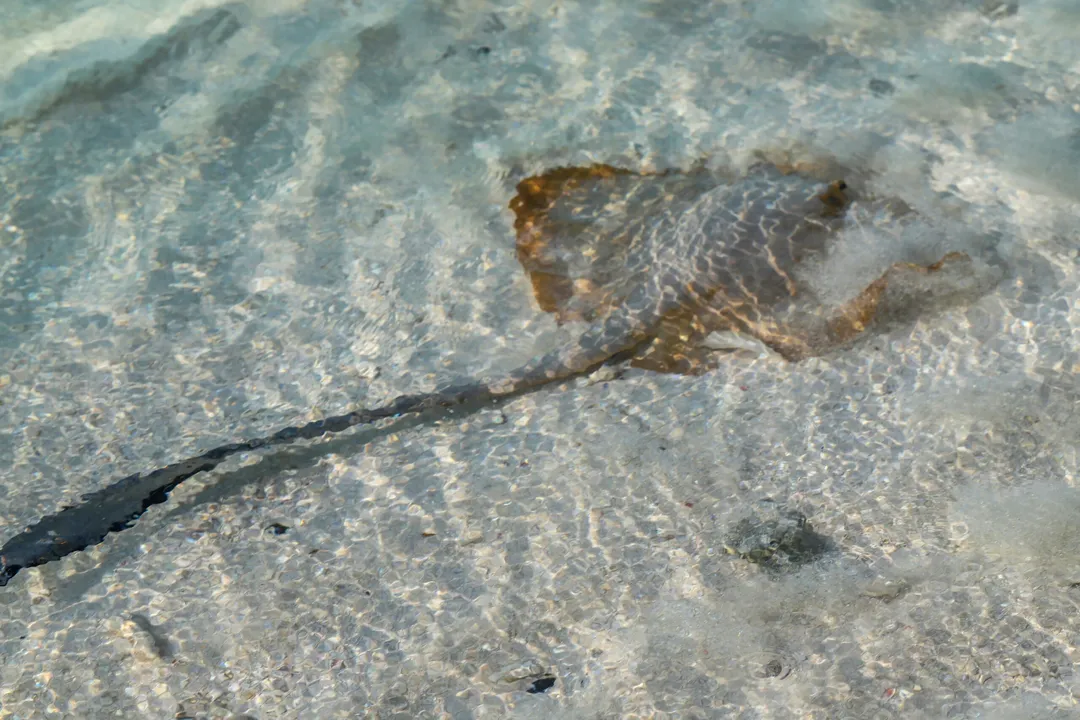
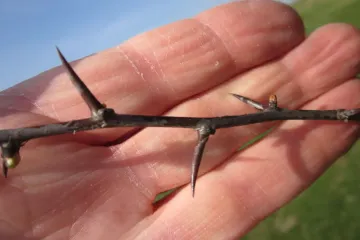
The very first priority after realizing you've been stung is safety and immediate assessment. If you are in the water, move out of the area where the sting occurred to avoid further contact, or have someone assist you to shore or a safe place to sit down. [1][5] Once stable, carefully inspect the wound. [1] Stingrays possess a barbed, venomous spine on their tail, and sometimes the barb or fragments of it can break off inside the skin. [1][5]
If you can see the stinger or any visible piece of the barb protruding from the skin, gently try to remove it using clean tweezers or sterilized pliers. [1][5] It is crucial here to exercise extreme caution. If the barb is deeply embedded, near a joint, or difficult to remove, do not attempt to dig it out yourself. [1][5] Forcing it could cause more tissue damage or push venom-laden material further into the flesh. [1] If removal is difficult, stabilize the limb and seek professional medical help immediately. [5] If the wound is clean—meaning no visible foreign object remains—proceed directly to the next crucial step for pain management. [1]
# Water Soaking
Once the area is assessed and any loose debris or visible stinger is managed, the absolute most important intervention is using heat to treat the venom. [1][5] Stingray venom is protein-based, and heat works by denaturing these proteins, which stops the venom from causing further damage and drastically reduces the pain. [1][5]
This treatment requires hot water immersion. The water should be as hot as you can safely tolerate without causing a burn—ideally around or . [1][2][5] You need to immerse the injured area completely. [1] The recommended duration for this soaking varies slightly, ranging from 30 minutes to as long as 90 minutes, or until the intense pain begins to subside. [1][5][9] Do not stop soaking just because the initial sharp pain fades a little; continue until you feel significant relief, as this confirms the venom has been largely deactivated. [9]
While soaking, you should elevate the affected limb above the level of the heart if possible, which can help reduce swelling. [1] In some older advice or very remote situations, soaking the wound in vinegar has been suggested prior to the hot water step, as some believe it might help neutralize the venom or clean the area. [5] However, modern, authoritative first aid advice strongly prioritizes reaching that specific hot water temperature as the primary pain relief mechanism. [1][5] If you are far from a facility, remember that the challenge isn't just finding water, but finding hot water quickly. If you find yourself far off the beaten path, consider that having a durable, heat-safe container readily available could bridge the gap between injury and reaching a standard shower or faucet, allowing you to maintain the necessary temperature soak for the required duration before professional care is available. [1]
# Wound Cleaning
After the prolonged hot water soak, the pain should have lessened considerably, allowing you to address the wound itself more thoroughly. [1][5] Rinse the area gently with clean, running water. [1][9] After rinsing, apply an antiseptic solution or ointment to the wound site to help prevent bacterial infection. [1][9]
Infection is a significant secondary risk with any puncture wound contaminated by sand or marine debris. You should clean the wound well, but be mindful of keeping the process gentle to avoid driving residual debris deeper. [5] A good practice after the initial first aid is to keep the area clean and dry, applying fresh antiseptic dressings as needed. [5]
# Medical Review
Even if the pain subsides completely after the hot water treatment, seeking professional medical evaluation is often a wise decision. [1][5] While most uncomplicated stings are not life-threatening, a medical professional can ensure all debris is removed and administer appropriate care. [8]
You must seek prompt medical attention if any of the following conditions are present:
- The stinger is deeply embedded or cannot be fully removed. [1][5]
- The wound is bleeding heavily and will not stop with direct pressure. [1]
- The pain does not improve substantially after the prolonged hot water soak. [9]
- The sting occurred on a sensitive area, such as the chest, abdomen, or groin. [1]
- You develop systemic symptoms like nausea, vomiting, difficulty breathing, muscle cramping, or fainting—these could indicate a severe systemic reaction or infection. [5][9]
Furthermore, since puncture wounds carry a high risk of infection, ensuring your tetanus immunization status is up-to-date is vital. [5] A doctor may also prescribe antibiotics depending on the wound depth and contamination level. [5]
For those who experience a sting, it is important to monitor the site for several days afterward, even after initial pain relief. While general signs of infection like redness, swelling, or pus are common indicators to watch for, [5][9] it is particularly wise to observe the edges of the original wound site for any signs of spreading darkness or hardening tissue over the next week. [5] This specific type of localized tissue change, distinct from a superficial skin infection, may suggest an ongoing localized tissue reaction to residual venom or secondary complications, warranting another call to your physician. [5]

# Proactive Defense
Dealing with a sting is unpleasant, but avoiding one entirely is always preferable. Stingrays blend in perfectly with the sandy or muddy ocean bottom, making them nearly invisible when wading in shallow water. [7] The single most effective way to prevent a sting is to use the "stingray shuffle" when entering or moving through shallow water where stingrays are known to frequent. [1][5][7]
This technique involves shuffling your feet along the bottom rather than stepping or dragging them. [7] This movement causes vibrations that alert the resting ray to your presence, giving it time to swim away undisturbed before you step on it. [7] Compare this to simply lifting and placing your foot, which can land directly on top of a hidden ray. [7]
Consider the specific environment. Stingrays prefer areas where the water is murky or silty, or where there is a lot of bottom debris, as this offers them better camouflage. [7] If you are walking in an area known for dense sea grass beds or silty bottoms in warm climates, increasing the thoroughness of your shuffle is even more critical. [7] While wearing protective footwear like dive booties might seem like a solution, many stingray barbs are strong enough to penetrate standard water shoes, making behavioral modification—the shuffle—the superior line of defense. [7]
#Videos
Stingray fish injury - Everything You Need To Know - YouTube
Related Questions
#Citations
Stingray Stings: Symptoms, Infection, and Treatment - GoodRx
How to Treat a Stingray Sting | U.S. Masters Swimming
Stung by a sting ray holy crap it hurt. When does it heal? : r/sandiego
What first aid is required for a stingray sting at Hilton Head Island?
Stingray Sting: Bites, First Aid, Symptoms, and Treatment - Healthline
Stingray fish injury - Everything You Need To Know - YouTube
Handling Stingray Stings: A Surfer's Guide to First Aid
How dangerous are stingrays? What should you do if you step on ...
Stingray Injury Treatment - First Aid & Emergencies - WebMD