What does the visual difference between purple and red tomatoes directly indicate about their composition?
Answer
A direct indicator of a chemical difference in the fruit's composition
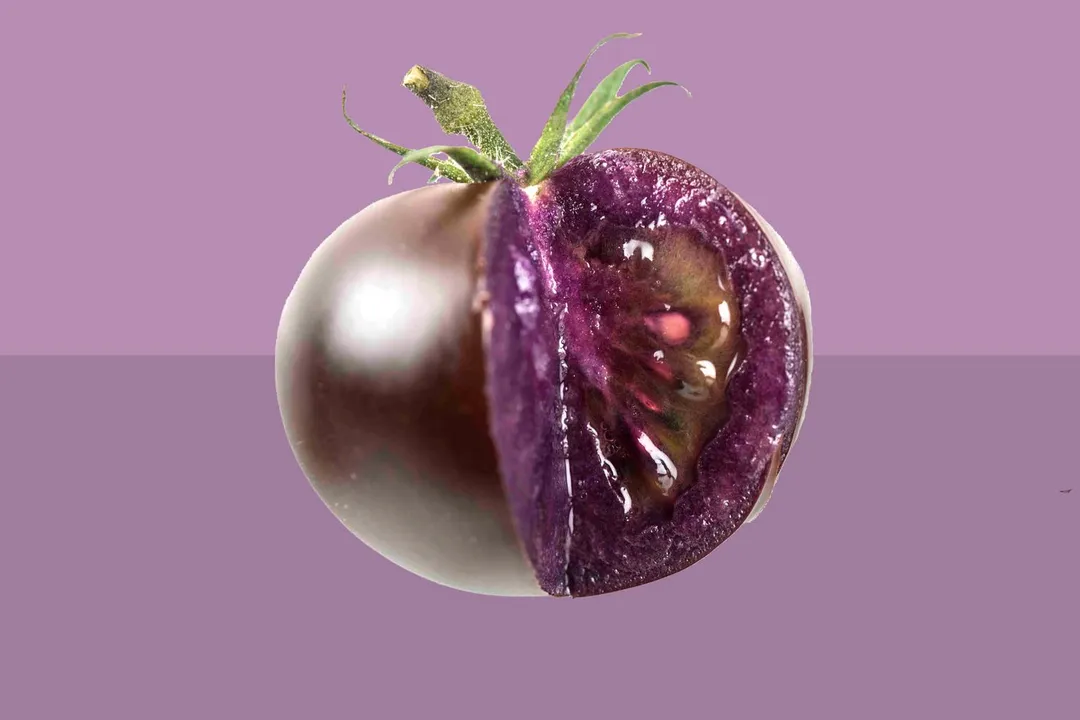
The variance in appearance between a deep purple tomato and a standard red tomato is not merely superficial cosmetic variation; it is rooted in tangible biochemical differences within the fruit's structure. The shift in color from red (dominated by lycopene) to deep purple signals the incorporation of anthocyanins, representing an added layer of pigmentation derived from differing genetic expressions. Therefore, the striking visual difference serves as an immediate, concrete signal that there is a measurable chemical difference in the antioxidants present in the flesh and skin of the two types of fruit.
Related Questions
What pigment causes the deep purple hue in certain tomato varieties?What antioxidant primarily colors conventional garden red tomatoes?What health advantages are associated with the potent anthocyanin pigments?Where is the highest concentration of beneficial compounds generally found in purple tomatoes?Which specific anthocyanin noted for its biological activity is abundant in purple tomato skin?Besides anthocyanins, what nutrient found in red tomatoes do purple varieties also contain?How should purple tomatoes ideally be prepared to maximize intake of anthocyanins?Which specific purple tomato variety has been made available to the public sphere for cultivation?What two primary development methods account for the origins of available purple tomatoes?What does the visual difference between purple and red tomatoes directly indicate about their composition?