Is tomato healthy or unhealthy?
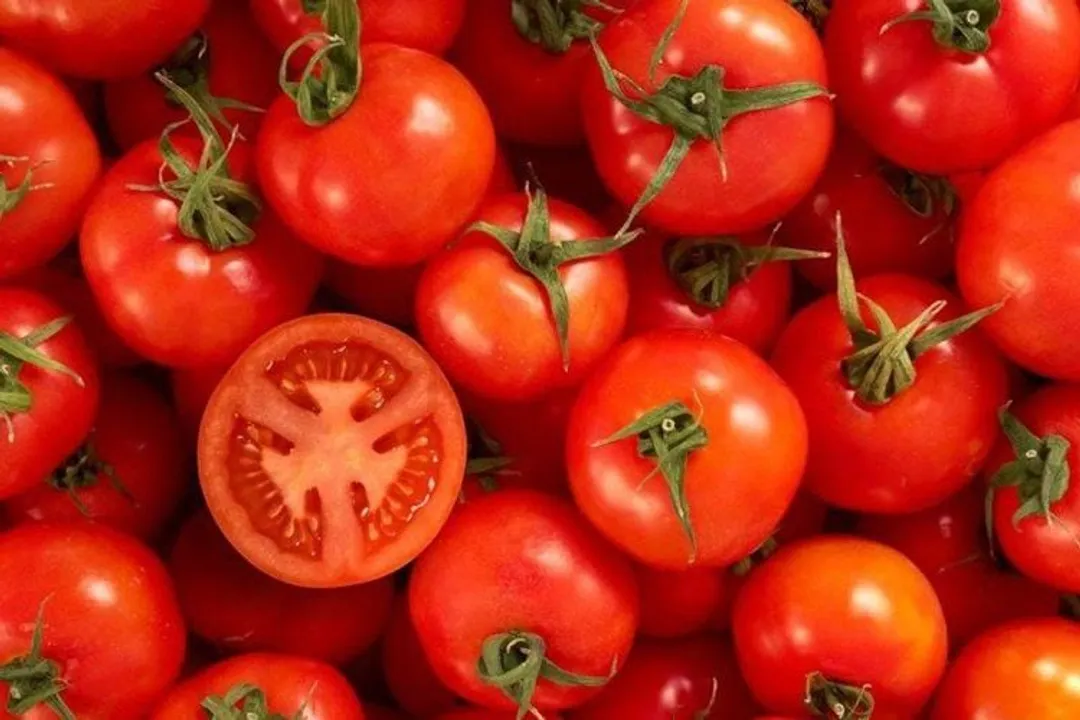
The status of the tomato in our diet often sparks debate, positioning it somewhere between a superfood hero and a controversial vegetable to avoid. Functionally, tomatoes are technically fruits, but they are used culinarily as vegetables, and they deliver a dense package of vitamins, minerals, and antioxidants that strongly suggest they belong in the "healthy" category for most people. [7] Understanding the nuance requires looking closely at what they contain, how preparation changes their availability, and addressing the common concerns that lead some to label them otherwise. [1][2]
# Nutrients Inside
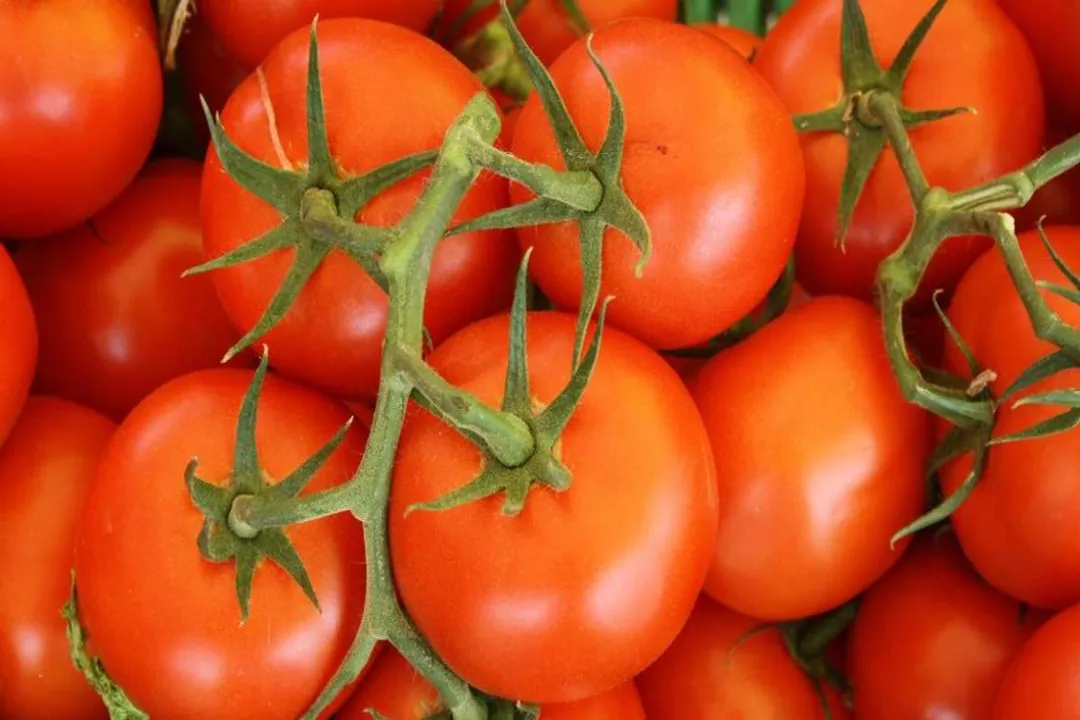
A medium raw tomato, weighing about 123 grams, contains very few calories, around 22, offering a high reward for a low energy cost. [7] They are a noteworthy source of several essential vitamins and minerals. For instance, a single tomato can provide a good amount of Vitamin C, an important antioxidant, along with significant amounts of Vitamin K1 and folate (Vitamin B9). [7] Furthermore, tomatoes contribute potassium, which is vital for blood pressure control, and smaller amounts of Vitamin A. [7]
The true nutritional star, however, is lycopene, which is the pigment responsible for the tomato's vibrant red color. [7] Lycopene is a potent antioxidant that has been extensively studied for its protective qualities. [4][7] While present in raw tomatoes, the bioavailability of lycopene is highly dependent on how the tomato is prepared and consumed. [6]
# Health Impacts
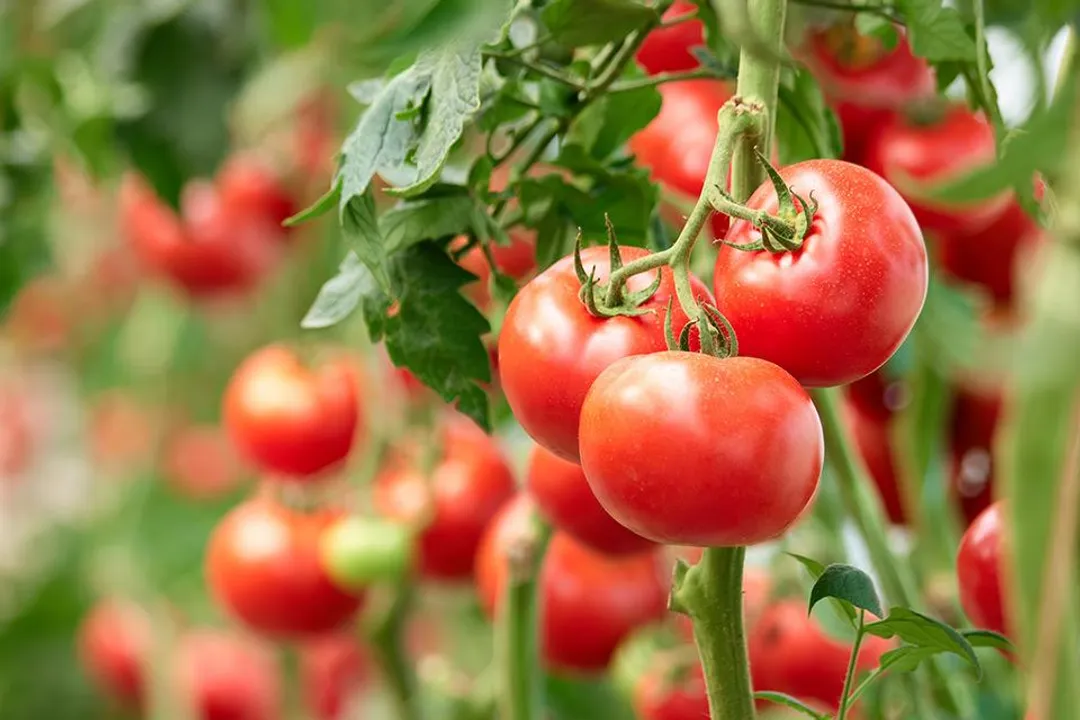
The wealth of nutrients packed into tomatoes translates to several documented health advantages when incorporated regularly into one's diet. [3] The presence of antioxidants like lycopene is often linked to reduced risks of certain chronic diseases. [4]
# Heart Protection
Consuming tomatoes has positive implications for cardiovascular health. The combination of potassium, which helps manage blood pressure, and lycopene, which may help reduce harmful cholesterol (LDL), supports a healthier heart system. [3][7] Studies suggest that regular intake can lead to beneficial changes in lipid profiles. [4]
# Gut Support
Emerging research points toward tomatoes playing a role in maintaining a healthy digestive environment. Components within tomatoes have been shown to positively influence the balance of gut microbiota, which is fundamental to overall wellness and immunity. [9] A balanced gut flora can be supported by including these fiber-rich fruits in daily meals. [9]
# Skin and Vision
Tomatoes provide Vitamin A and lycopene, both of which are beneficial for skin health. [3] Lycopene is known to help protect the skin against sun damage, essentially acting as a mild internal sunscreen, though it should never replace topical protection. [3][7] Furthermore, the presence of lutein and zeaxanthin in tomatoes helps protect eye tissues from light-induced damage, potentially lowering the risk of macular degeneration. [3]

# Preparation Effects
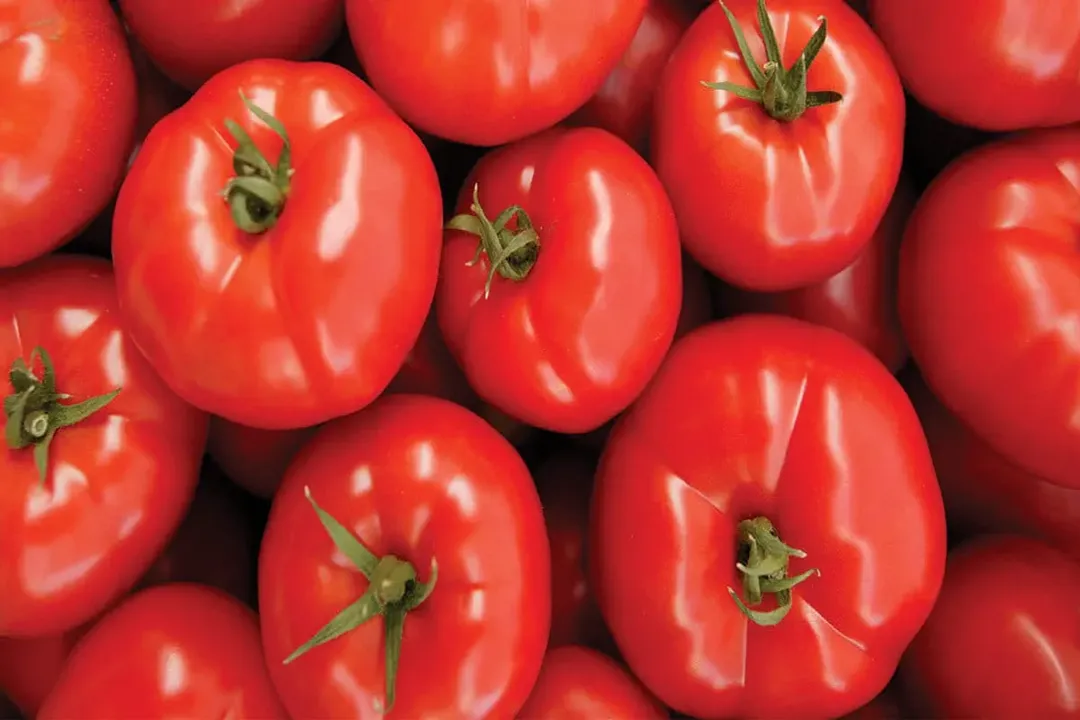
How you eat your tomatoes significantly changes what benefits you receive. This is where many discussions about tomato health diverge—the raw versus cooked dilemma. [6]
# Cooking Benefits
Cooking tomatoes, especially when they are processed into sauces or pastes, dramatically increases the amount of bioavailable lycopene. [6] When tomatoes are heated, the cell walls break down, releasing more of the lycopene for your body to absorb. [6] Research indicates that cooked tomatoes can deliver significantly more lycopene than raw ones. [4]
- Thermal Processing: Cooking effectively enhances the absorption of this powerful carotenoid. [4]
- Fat Pairing Insight: Since lycopene is a fat-soluble compound, pairing cooked tomatoes with a source of healthy fat, like olive oil in a pasta sauce or avocado on a fresh salad, optimizes absorption even further. [6][7] This combination allows the body to process the nutrient much more efficiently than simply eating the raw fruit alone. [4]
# Raw Advantages
While cooking boosts lycopene, eating tomatoes raw ensures you get the maximum amount of heat-sensitive nutrients, most notably Vitamin C. [6] Cooking can cause a degradation of Vitamin C. [6] If your primary dietary goal is maximizing Vitamin C intake, consuming fresh cherry tomatoes as a snack or in a cold salad is the best strategy. [3]
To illustrate the trade-off, consider this comparison based on typical absorption studies:
| Nutrient Focus | Ideal Preparation Method | Primary Benefit Gained |
|---|---|---|
| Lycopene Absorption | Cooked with fat (e.g., sauce) | Antioxidant protection, heart health |
| Vitamin C Preservation | Raw (e.g., fresh salsa) | Immune support, antioxidant activity |
# Nightshade Status
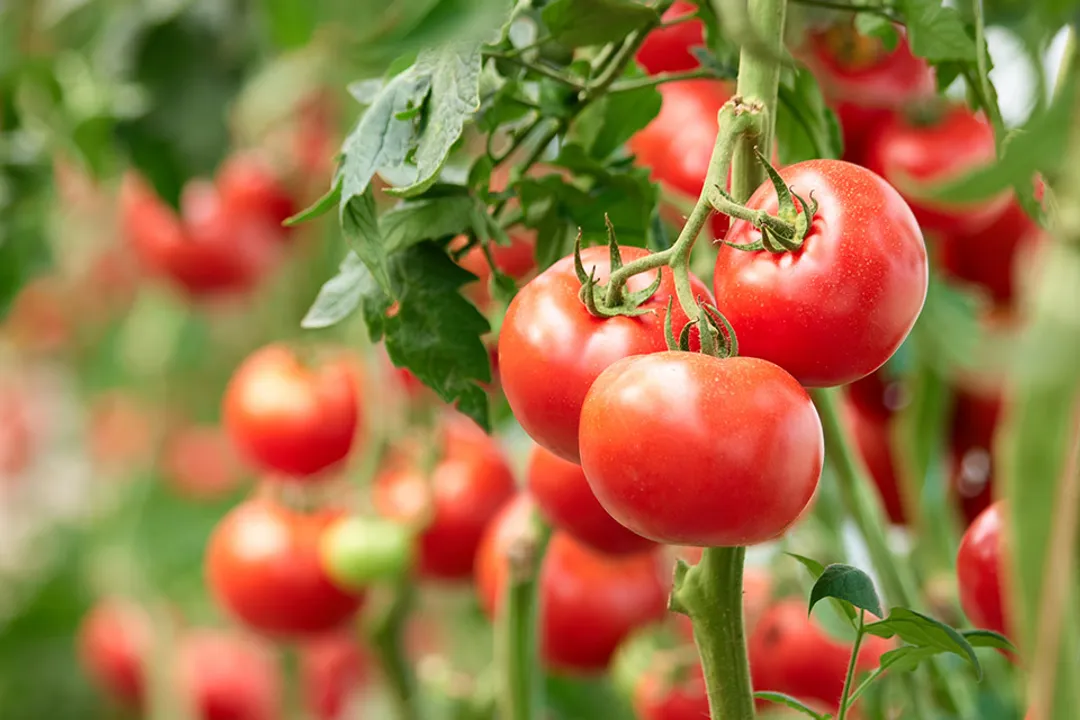
One of the most common sources of contention regarding tomatoes comes from their classification as a member of the Solanaceae family, commonly known as nightshades, a group that also includes potatoes, eggplant, and peppers. [2] For years, some health claims have suggested that compounds within nightshades, like solanine, can trigger inflammation or worsen conditions like arthritis. [2]
However, general consensus among nutrition experts often leans against this broad generalization for the majority of the population. [1] While individuals with specific sensitivities or diagnosed allergies to nightshades should certainly avoid them, [2] the evidence linking nightshades to widespread inflammation in healthy individuals is generally lacking or anecdotal. [1][2] Many sources clarify that while sensitivity exists, tomatoes are nutritionally sound for most people who do not have these specific pre-existing reactions. [1] Unless you notice a specific flare-up of symptoms after consumption, dismissing tomatoes entirely due to the nightshade classification might mean missing out on significant nutritional gains. [2]

# Moderation Caveats
While tomatoes are overwhelmingly beneficial, the general guideline in nutrition always points toward balance. Over-consumption of any single food can sometimes lead to imbalances or mild digestive upset. [5]
For a healthy adult, regularly consuming two to three tomatoes per day is generally considered safe and beneficial. [5] However, excessive intake could potentially lead to issues like acid reflux or digestive discomfort in sensitive individuals, mostly due to their acidity. [5] Furthermore, unripe or green tomatoes contain higher levels of the toxic alkaloid tomatine than ripe red ones, though significant harm is unlikely unless a very large quantity of unripe fruit is consumed. [5] Sticking to ripe, red tomatoes ensures you are maximizing lycopene and minimizing any minor alkaloid exposure. [5]
For those new to incorporating more tomatoes, a practical approach is to focus on consistency over massive volume. Starting by replacing a high-calorie, low-nutrient snack with a handful of raw grape tomatoes twice a week, and consciously adding a serving of cooked tomato sauce to dinner once a week, helps build tolerance while ensuring you capture both the raw Vitamin C and cooked lycopene benefits. This varied consumption pattern naturally balances the heat-sensitive and fat-soluble nutrient profiles over the course of a week. This targeted, dual-preparation strategy helps ensure you are getting the broadest spectrum of tomato goodness without relying solely on one preparation method.
Related Questions
#Citations
How Healthy Are Tomatoes? | Food Science & Human Nutrition
Tomatoes & Other Nightshades: Are They Actually Bad for You?
The Health Benefits of Tomatoes - WebMD
Tomatoes: An Extensive Review of the Associated Health Impacts of ...
Is it good to eat a lot of tomatoes every day? - Vinmec
3 Vegetables That Are Healthier When Cooked | Denver Health ...
Tomatoes 101: Nutrition Facts and Health Benefits - Healthline
Tomatoes - Healthy or Unhealthy? : r/nutrition - Reddit
New study indicates tomatoes help with gut health - UCLA Health