Which is healthier, split peas or lentils?
Choosing between split peas and lentils often feels like deciding between two equally capable athletes; both bring high protein, significant fiber, and essential minerals to the table. [1][8] Because they share a similar botanical family and nutritional profile, identifying one as definitively "healthier" is difficult. [5] Instead, the right choice depends on your specific dietary goals, cooking style, and the texture you prefer in your meals.
# Nutritional Comparison
When analyzing macronutrients, split peas and lentils are nearly identical. Both are legumes, making them excellent plant-based sources of protein and fiber. [1][5] One cup of cooked lentils provides approximately 18 grams of protein, while an equivalent serving of split peas offers roughly 16 grams. [8] Fiber content is equally impressive in both, which assists with satiety and digestive health. [2]
| Nutrient (per 1 cup cooked) | Split Peas | Lentils |
|---|---|---|
| Calories | ~230 | ~230 |
| Protein | ~16g | ~18g |
| Fiber | ~16g | ~16g |
| Iron | ~20-25% DV | ~20-25% DV |
Micronutrients also align closely. Both are rich in folate, manganese, and potassium. [8] Lentils may hold a slight edge in iron density depending on the variety, but this difference is often negligible in the context of a balanced diet. [5] Because both are low in fat and contain no cholesterol, they are heart-healthy staples that provide consistent energy. [1][10]
# Texture Characteristics
The primary difference between these two legumes lies in their physical structure and behavior during cooking. Split peas are field peas that have been dried, peeled, and split into halves. [7] Because the outer hull is removed, they lose their structural integrity rapidly when exposed to heat. [4] They tend to break down into a thick, creamy puree, which explains their popularity in traditional soups and stews. [4][9]
Lentils, conversely, retain their shape much better. [4] While some varieties, like red lentils, soften significantly, brown and green lentils maintain a distinct, firm bite even after boiling. [4] This makes them more versatile for dishes where texture is paramount, such as salads, grain bowls, or meat substitutes where a "meaty" consistency is desired. [4][10]
# Culinary Applications
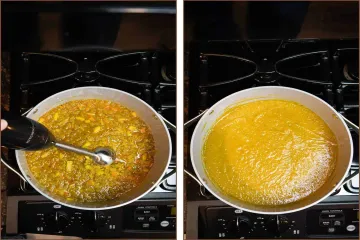
Because split peas turn into a smooth consistency, they excel in slow-cooked recipes. If you are preparing a thick, warming split pea soup or a creamy dal, the rapid breakdown of the pea is an advantage rather than a drawback. [4] You do not need to blend these dishes; the natural disintegration of the legume creates a hearty, uniform thickness. [4][7]
Lentils offer more variety in the kitchen. French green lentils (puy lentils) hold their shape excellently, making them suitable for cold salads mixed with vinaigrette, fresh herbs, and feta. [4] Black beluga lentils provide a visual contrast and a firm bite, often used in professional plating or as a base for hearty stews. If you prefer a faster cooking time without the mushy texture, lentils are generally the more adaptable option for quick weeknight meals. [4][9]
# Cooking Times
Efficiency is a factor for many home cooks. Both legumes are relatively fast to cook compared to larger dried beans, which often require overnight soaking. [10] Split peas typically require about 30 to 45 minutes of simmering to reach a fully disintegrated state. [4]
Lentils vary by type. Red lentils can cook in as little as 15 to 20 minutes, becoming soft and creamy, which makes them comparable to split peas in speed. [4] Brown and green lentils usually require 20 to 30 minutes to become tender while holding their structure. [9][10] If you are looking to minimize time in the kitchen, red lentils are the fastest option, while green or brown lentils are preferred if you want a firmer texture. [4]
# Storage Tips
Both items share an indefinite shelf life when stored correctly, making them budget-friendly staples for any pantry. [3] To maintain their quality:
- Seal Tightly: Use airtight glass jars or heavy-duty plastic containers to prevent moisture from entering. Moisture is the enemy of dried legumes and can lead to uneven cooking or spoilage over long periods.
- Cool Environment: Store in a dark, cool place away from the oven or direct sunlight. Heat fluctuations can cause the oils in the legumes to go rancid over time, impacting the flavor.
- Rotate Stock: When buying in bulk, practice a first-in, first-out rotation. Even though they are shelf-stable, legumes older than two years may take longer to cook and may not reach the desired softness. [10]
# Budgeting Strategy
From a financial perspective, both legumes are among the most affordable protein sources available. [3] Whether you choose split peas or lentils, the cost per serving is negligible compared to animal proteins. [3] A simple way to maximize value is to purchase them from the bulk bins at grocery stores rather than pre-packaged containers.
When planning meals, consider the "yield ratio." Both lentils and split peas roughly triple in volume after cooking. [10] One pound of dried lentils or peas will yield approximately six to seven cups of cooked product. This makes them ideal for batch cooking or meal prepping for the week ahead. If you are feeding a family on a tight budget, alternating between the two can keep your meals interesting without adding significant cost. [3]
# Selecting Legumes
Determining which to use comes down to the intended outcome of your meal. Use this decision matrix to simplify your choice:
- For thick, pureed soups: Choose split peas. Their natural breakdown process ensures a creamy, thick texture without the need for additional thickeners or blending.
- For salads or grain bowls: Choose green or French lentils. They provide a satisfying chew that pairs well with fresh vegetables and dressings. [4]
- For curries or Indian-style dals: Choose red lentils or yellow split peas. Both cook down well to create a rich, velvety base that absorbs spices effectively. [4]
- For meat substitutes: Use brown lentils. Their texture mimics ground meat well in tacos, shepherd's pie, or bolognese sauce.
# Nutrient Density
While both are healthy, they should be viewed as complements rather than competitors. Because they offer slightly different mineral profiles, including both in your diet ensures a wider range of micronutrients. [8] For instance, if you are focusing on iron intake, rotating between red lentils and green lentils can provide variety in taste while maintaining your intake goals.
Furthermore, pairing either legume with a source of Vitamin C—such as bell peppers, tomatoes, or a squeeze of lemon juice—can enhance the absorption of the plant-based iron found in these legumes. [10] This simple habit turns a bowl of soup into a more effective nutritional tool.
Ultimately, neither wins the title of "healthier." They are two distinct, nutrient-dense tools in your culinary arsenal. By understanding how their textures behave and where they shine, you can move away from asking which is better and instead focus on how to use their unique characteristics to make your meals more satisfying and nutritious. [4][5]
Related Questions
#Citations
Peas vs. Lentils – Nutrition and Health Impact Comparison - Foodstruct
What's the Difference Between Split Peas and Lentils?
Are green split peas or lentils better for my situation? : r/budgetfood
What's the Difference Between Split Peas and Lentils? - The Kitchn
Split Peas vs Lentils - Calories & Nutrition Compared
Is there a lot of difference between lentils and split peas? - Facebook
Split Peas: Are they Peas or Lentils? - Illinois Extension
Nutrition Comparison of Lentils, raw vs Peas, green, split, mature ...
What's the difference between split peas and lentils? - Quora
[PDF] pulses - NDSU