Are purple tomatoes healthier?
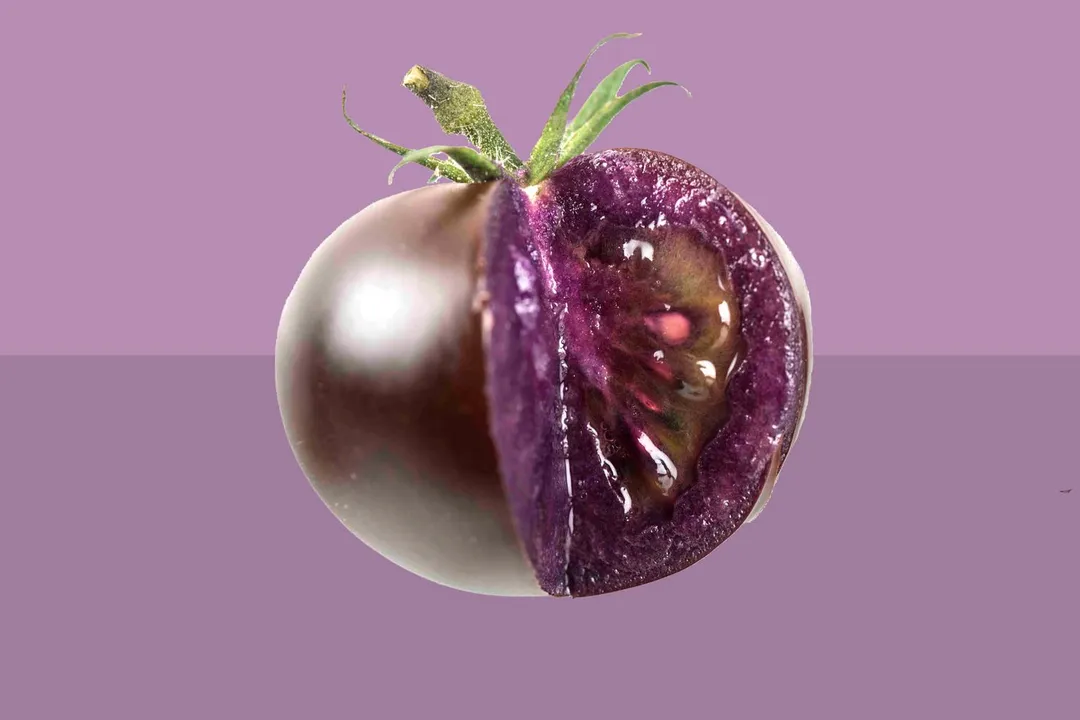
The appearance of deeply colored produce often sparks curiosity about its health impact, and the vibrant, almost black-hued purple tomato is no exception. It’s hard to overlook these unique fruits when they appear on the vine or at the market, prompting the straightforward question: Do these darker varieties offer a nutritional advantage over the standard garden red? The primary reason for their striking coloration lies in specific pigments that also happen to be powerful antioxidants, shifting the conversation from mere aesthetics to measurable dietary benefits. [1][5]
# Color Source

The distinction between a purple tomato and a conventional red one is rooted in genetics and pigment accumulation. [1] While the familiar red tomato derives its color primarily from lycopene, an antioxidant well-known for its benefits, the deep purple varieties have an added layer of pigmentation. [1][5] This intense hue comes from anthocyanins, the same class of pigments responsible for the colors seen in blueberries, blackberries, and dark grapes. [1][5] Certain cultivars, like those pioneered by researchers, are specifically bred or engineered to express high levels of these compounds. [2][6] The visual difference, therefore, is a direct indicator of a chemical difference in the fruit's composition. [5]
# Antioxidant Boost

Anthocyanins are potent antioxidants that have drawn significant scientific interest. [1][5] These compounds are associated with several health advantages, including potential anti-inflammatory properties and support for cardiovascular health. [1][5] Studies have indicated that certain anthocyanins found in these tomatoes can exhibit antioxidant activity comparable to or even exceeding that of the lycopene in red tomatoes, depending on the specific compound and concentration. [3][5] For instance, nasunin, a specific type of anthocyanin abundant in purple tomato skin, has been noted for its biological activity. [3] When you choose a purple tomato, you are essentially getting the baseline nutritional value of a standard tomato—including lycopene—plus the added spectrum of health-supporting anthocyanins concentrated in the peel. [1][5]

# Red Versus Purple
When comparing the two visually distinct types, it becomes clear that tomatoes of any color are valuable additions to a diet, but the purple varieties introduce a unique nutritional synergy. [1] A standard red tomato is an excellent source of lycopene, which is linked to eye health and reduced risk of certain cancers. [1] The purple tomato contains this lycopene as well as the anthocyanins. [1][5] The key factor differentiating the two is the quantity and type of antioxidant present. [3] Not all purple varieties are equal; some natural breeding programs focus on maximizing the anthocyanin content, resulting in a fruit that is biochemically distinct from its red cousin. [2][4] A practical consideration for maximizing intake is to note that in many naturally colored fruits, the highest concentration of these beneficial compounds resides just beneath the skin. This means that for a home gardener noticing subtle variations in their harvest—perhaps a tomato that is mostly red but has deep purple shoulders—the most nutrient-dense portion is often the most intensely colored part of the fruit. [5]
# Consumer Demand
The enhanced nutritional profile, coupled with their striking appearance, has led to a notable surge in interest among consumers and gardeners alike. [2][4] This interest has spurred activity in the seed market, with gardeners actively seeking out seeds for these distinct varieties. [2][7] In locations like Norfolk, researchers and producers have been involved in pioneering these unique cultivars, meeting the resulting consumer rush. [2] This demand isn't just about novelty; it reflects a growing public awareness regarding the benefits associated with brightly colored, nutrient-dense produce. [4] Some varieties, such as the Snapdragon, have made their way into the public sphere, allowing more people to cultivate them at home. [7]

# Genetic Status
The origins of these dark tomatoes are not always uniform, a point that consumers focusing on specific dietary preferences must consider. [6] Some purple tomatoes available today have been developed using traditional breeding methods, selectively crossing varieties to naturally increase anthocyanin levels over generations. [2] However, other varieties on the market have been created through genetic modification (GM) techniques to specifically boost the production of these compounds, often involving the introduction of genes from other plants. [6] This distinction between conventionally bred and genetically modified purple tomatoes can influence purchasing decisions for those interested in non-GM produce. [6] Understanding the background of the specific seeds or fruit purchased helps align the consumption choice with personal preferences regarding food production methods. [6]
# Maximizing Benefits
To truly assess whether a purple tomato is "healthier," one must look beyond the initial label and consider how they integrate them into their diet. If the goal is to capitalize on the high levels of anthocyanins, which are concentrated in the peel, preparation matters. While cooking is essential for boosting the bioavailability of lycopene in red tomatoes, the heat sensitivity of certain anthocyanins might suggest that consuming purple tomatoes raw, perhaps sliced in salads or sandwiches, provides the best delivery system for those specific compounds. [1][3]
Furthermore, when stocking up, a useful heuristic for the home consumer, beyond simply knowing the cultivar name, is to look for the deepest pigmentation possible. While the exact nutritional comparison between a lightly tinged purple tomato and a deep maroon one is cultivar-dependent, generally, the darker the skin, the higher the visual evidence of anthocyanin presence. [5] It is a simple, though not scientifically rigorous, way to select the potential powerhouse from a mixed basket, assuming one is dealing with varieties bred for high pigment content in the first place. [2][4] For those who purchase seeds, reading the description to see if the variety was bred for anthocyanin content versus color is a more precise approach than relying solely on the visual appeal of the mature fruit. [2] The ultimate health advantage, then, rests not just on the color itself, but on the specific, measurable concentrations of beneficial plant compounds each unique cultivar offers. [1][3]
Related Questions
#Citations
What Are Purple Tomatoes and Are They Healthy? - EatingWell
US gardeners rush to snap up purple tomatoes pioneered in Norfolk
The Purple Tomato Story; From Laboratory Bench to the Consumer
A Purple Tomato for Your Home Garden with Increased Health ...
Healthy Antioxidants: Plant Anthocyanins
How the Purple Tomato is Changing Consumer Perception of GMOs
A new purple tomato is available to gardeners. Its color comes ... - OPB
Purple Tomatoes: Longer Lasting, Less Disease, and Better for You
Scientists turn tomatoes purple to make them more nutritious