Why does fresh Yellowfin steak often carry less mercury than its larger, canned Albacore counterpart?
Answer
Commercial canning frequently utilizes larger, older fish that have accumulated more mercury
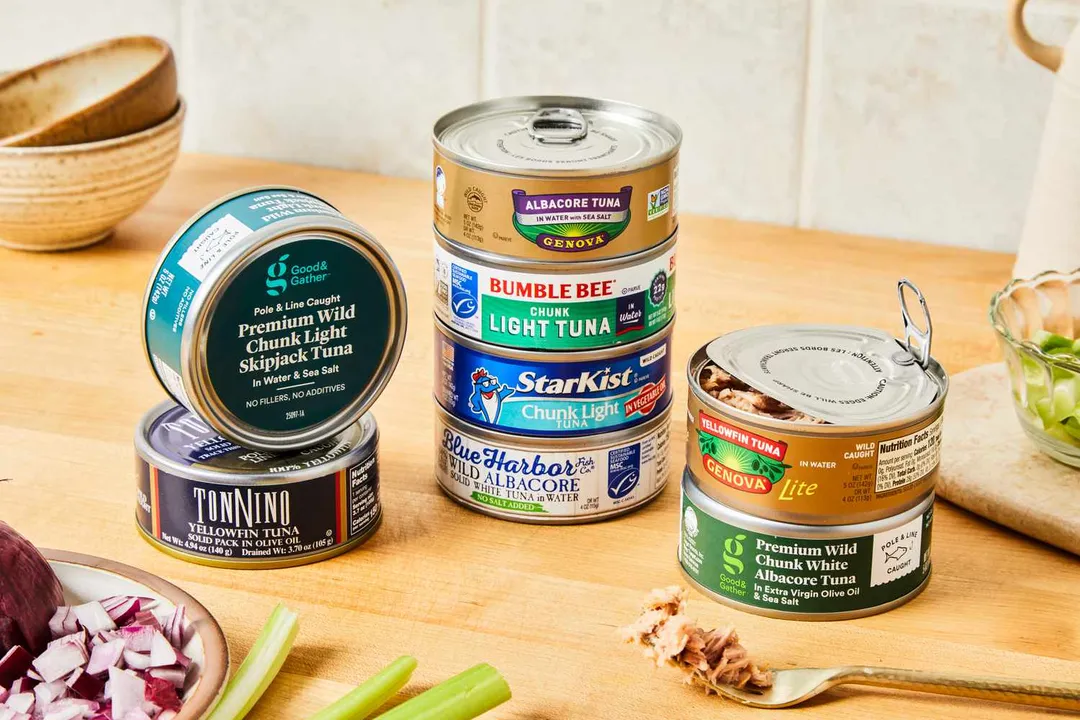
A critical factor influencing mercury load is the size and age of the specific fish harvested for processing. Commercial canning operations often source larger, older fish, which naturally harbor higher mercury burdens due to extended accumulation time in the environment. Fresh Yellowfin sold as steaks usually represents younger or specifically selected fish that may not have reached the same level of mercury concentration found in the larger specimens typically reserved for mass canning processes like those involving Albacore.
Related Questions
Which canned tuna variety generally accumulates higher levels of mercury due to its larger size?Which canning preparation method retains fewer beneficial omega-3 fatty acids compared to tuna packed in oil?If an individual eats tuna several times a week, what variety is often cited as the best practice for managing mercury intake?What preparation method is fresh Yellowfin (Ahi) often sought after for due to its firm texture and deep red color?Which oil used to pack canned tuna offers a better balance of fat profiles compared to soybean or sunflower oil?What characteristic causes larger, longer-living predatory fish to accumulate higher concentrations of methylmercury?When consumers refer to 'regular' canned tuna, what label often corresponds to Skipjack tuna?Why does fresh Yellowfin steak often carry less mercury than its larger, canned Albacore counterpart?Based on the general nutritional comparison table for drained portions, what factor does Skipjack frequently win out over Albacore in?How is the flavor profile of Yellowfin steaks often described when compared directly to the milder taste of Albacore?