What category does tuna fall under in WIC?

Tuna, for those navigating the Special Supplemental Nutrition Program for Women, Infants, and Children (WIC), is classified squarely within the Canned Fish category. [3][5] This categorization is significant because, unlike staples like milk or cereal where specifications are extremely rigid, the allowances for canned fish grant participants, and by extension, state agencies, a degree of flexibility in what they can purchase. [1][3] Understanding this grouping is the first step; the next involves examining the specific types, packing methods, and the variation in state policies that ultimately dictate which can of tuna ends up in your shopping cart.
# Federal Guidelines
The foundation for all WIC-approved foods, including tuna, rests on federal requirements established by the U.S. Department of Agriculture (USDA). [1] State WIC agencies must adhere to these minimum federal standards when creating their state-specific food lists, though they always retain the authority to set stricter criteria. [1] For canned fish, the federal rules are quite specific about the type of fish that qualifies.
WIC-eligible canned fish varieties explicitly include light tuna, salmon, sardines, Atlantic mackerel, and Pacific Chub mackerel. [3] It is important to note that the federal guidance specifies light tuna, which typically implies species like skipjack or yellowfin, often differentiated from albacore tuna. [3][5]
Beyond the species, the federal guidelines cover how the fish is preserved:
- It may be packed in water or oil. [2]
- The product may include bones or skin. [2]
- It can be offered in regular or lower sodium content versions. [2]
These foundational rules, which must comply with the FDA Standards of Identity for food definitions, ensure a baseline level of nutritional equivalence across the board. [1][2]
# State Authorizations
While the USDA sets the floor, states operate the program day-to-day, leading to noticeable differences in the authorized food list, particularly for items like canned fish where variety is high. [1] These state-level decisions are based on factors including nutritional quality, cost, and product availability within their regions. [2]
# Packing and Variety
The federal allowance for fish packed in water or oil presents one area where state policy can diverge. Some states, for example, might permit both options for all participants, while others may restrict the packing medium based on the participant's category. In California, for instance, the approved list strictly dictates that canned fish must be packed in water; crucially, it explicitly states that canned fish packed in oil is not allowed. [1] This single difference—oil versus water packing—is a key point where a shopper following general federal guidelines might accidentally select an ineligible item in a stricter state.
Furthermore, the issue of type of tuna is important. Federal rules list "light tuna", [3] but California specifically allows Chunk Light Tuna packed in water, while explicitly not allowing Solid white, albacore tuna. [1] This illustrates that state agencies often narrow the federally approved types to maintain cost or nutritional consistency. [1]
# Boneless Stipulations
Another area of state discretion involves preparation. Federal rules allow for the pack to include bones or skin. [2] However, state agencies have the option to establish criteria beyond the minimum, which can include prohibiting or placing a limit on added sugar in canned fish with flavorings, or issuing only boneless varieties to children. [2] While not every state explicitly mandates boneless fish for children, the fact that it is an option highlights that a parent shopping for a child participant must be extra vigilant about the product's texture and composition compared to an adult participant. [2]
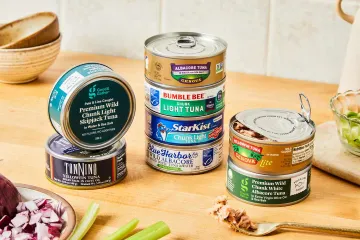
# Shopping Flexibility
The category of canned fish often appears on state lists in a way that affords participants more choice than other items. In many programs, specific, complex staples like breakfast cereal or infant formula must adhere to brand-specific authorizations or be printed directly on the WIC food instrument. [1][2] Canned fish, however, often falls into a category that allows greater latitude for the participant.
For example, in Texas, canned fish—specifically tuna or salmon—is available for fully breastfeeding mothers. [5] Shopping guides in Texas, much like in Georgia, categorize canned fish under the "Choose Any Brand" section. [5] In Georgia, the inventory requirements specify that for tuna, the participant may buy any brand, water-packed, and must not select albacore or flavored varieties. [2]
This "any brand" allowance for canned fish in states like Texas and Georgia is interesting when compared to other WIC foods. Items such as milk, cheese, and whole wheat bread are often restricted to specific brands or only those marked with a shelf sticker. [2][5] The relative freedom given to canned fish purchasers suggests that the market for water-packed light tuna, salmon, and sardines is generally stable and competitive enough that states do not need to mandate specific vendors or brands to control pricing or ensure supply, unlike highly volatile or specialized items like infant formula. [2] This flexibility is a welcome benefit, as it allows shoppers to utilize store sales or pick up the item without needing to scrutinize the shelf tag against a master list for that single item.
# Participant Checklist
For a WIC participant looking to purchase tuna, the process should follow a tiered verification approach based on the information gathered from federal rules and specific state mandates.
Confirm Eligibility and Type: First, verify that you are eligible for fish benefits. In Texas, for instance, the entitlement to canned tuna or salmon is specifically noted for fully breastfeeding mothers. [5] Once eligibility is confirmed, remember the federal baseline: you are generally looking for light tuna, not albacore, though you must check your state's list for definitive exclusion of albacore (as California does). [1][3]
Check Packing Medium: Determine if your state allows packing in oil. If you are in a state that follows stricter rules, like California, ensure the can specifies packed in water only. [1] If the can is packed in oil, it will be rejected at checkout, even if the fish type (light tuna) is correct. [1][5]
Verify Brand and Size: If your state falls into the "Any Brand" category for canned fish, like Georgia or Texas, you only need to check that the size and packing (water vs. oil) adhere to the state's rules. [2][5] If your state is one that mandates brand-specific purchases for other items, confirm if canned fish is an exception; for example, Georgia requires vendors to stock a minimum quantity of 5-ounce, 6-ounce, or 7.5-ounce cans of water-packed tuna and does not specify brand for the customer purchase. [2]
Bone/Flavor Check (Especially for Children): If you are buying for a child participant, quickly check if your state has a rule against bones or skin, as federal guidelines permit them but state agencies can prohibit them for younger recipients. [2] Also, steer clear of any tuna varieties with added sauces, seasonings, or flavorings, as these often contain unapproved sugars or ingredients. [3] Plain, water-packed is the safest route. [2][3]

# Local Resource Usage
Because WIC is a state-administered program, the single most authoritative source is always your state or county WIC office's current food list. [2] Federal guidelines establish the scope, but local lists contain the final "yes" or "no" for the products physically available in your stores. [1][2] If you are unsure about a specific can's label—for instance, whether a product labeled "low sodium" complies with your state's allowance for lower-sodium options—the most reliable action is to consult the most recent, state-published food list online or use any accompanying mobile app your state provides, like the myWIC app mentioned by Texas, which can often scan items for WIC approval. [2][5] Relying on outdated verbal information or previous year’s experience can lead to failed transactions, especially given that these local lists are reviewed and updated periodically. [2]
Tuna itself is a recognized, nutritious WIC food item, but its categorization under the flexible "Canned Fish" umbrella means its exact specifications shift depending on the jurisdiction responsible for issuing the benefits. [3] By understanding the federal allowances (light tuna, water/oil allowed) and recognizing where states introduce stricter standards (e.g., water-only packing, no albacore), participants can shop with confidence knowing they are meeting the specific requirements of their local program. [1][3]
Related Questions
#Citations
WIC Approved Foods List | Georgia Department of Public Health
Changes to the WIC Food Packages Q&As - Canned Fish
Canned Fish - WIC - CA.gov
[PDF] Which is WIC-approved? - DHHS
WIC Shopping | Texas WIC