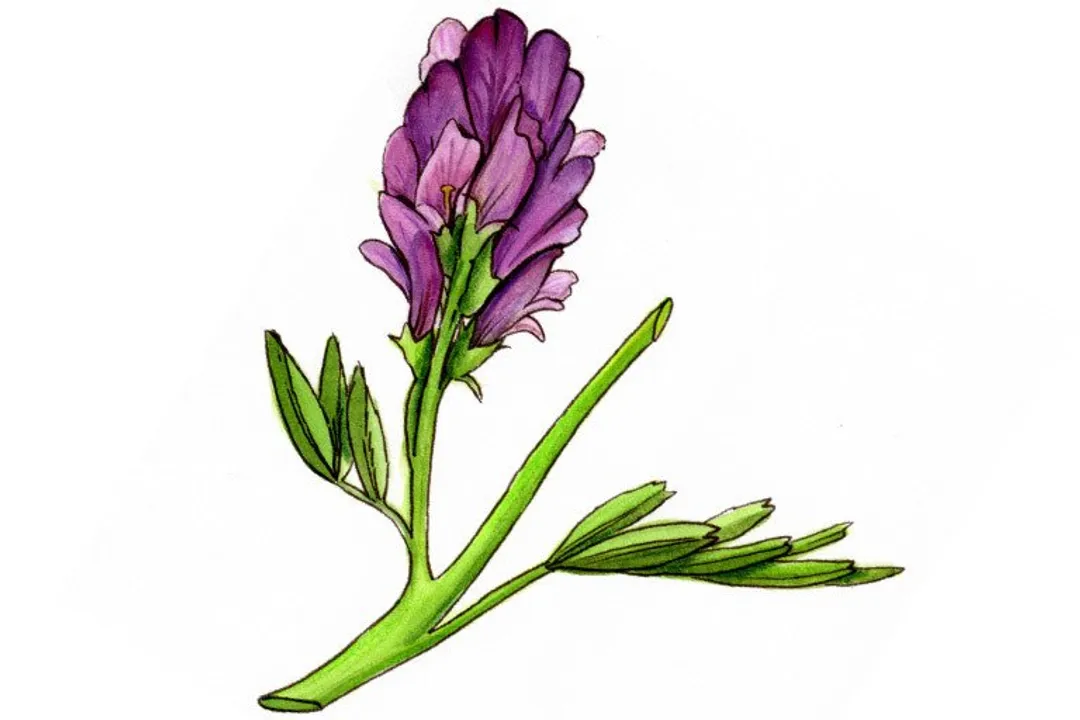
Which specific risk factor, primarily associated with alfalfa seeds or sprouts, is differentiated from the risks associated with leaves or tea?
Bacterial contamination involving Salmonella or E. coli
A critical distinction exists regarding the risks associated with different parts of the alfalfa plant consumed. The most significant and acute risks are overwhelmingly tied to the seed or sprout form. Specifically, bacterial contamination leading to foodborne illnesses like Salmonella or E. coli infections, and the autoimmune triggering due to L-canavanine, are predominantly linked to ingesting the seed/sprout material. In contrast, risks related to leaves or dried preparations, such as teas or tablets, are generally centered on the concentration of Vitamin K interacting with blood thinners or the presence of phytoestrogens affecting hormone-sensitive conditions. Therefore, bacterial hazard is the key risk differentiating the seed/sprout consumption pathway.