What are the side effects of mayapple?
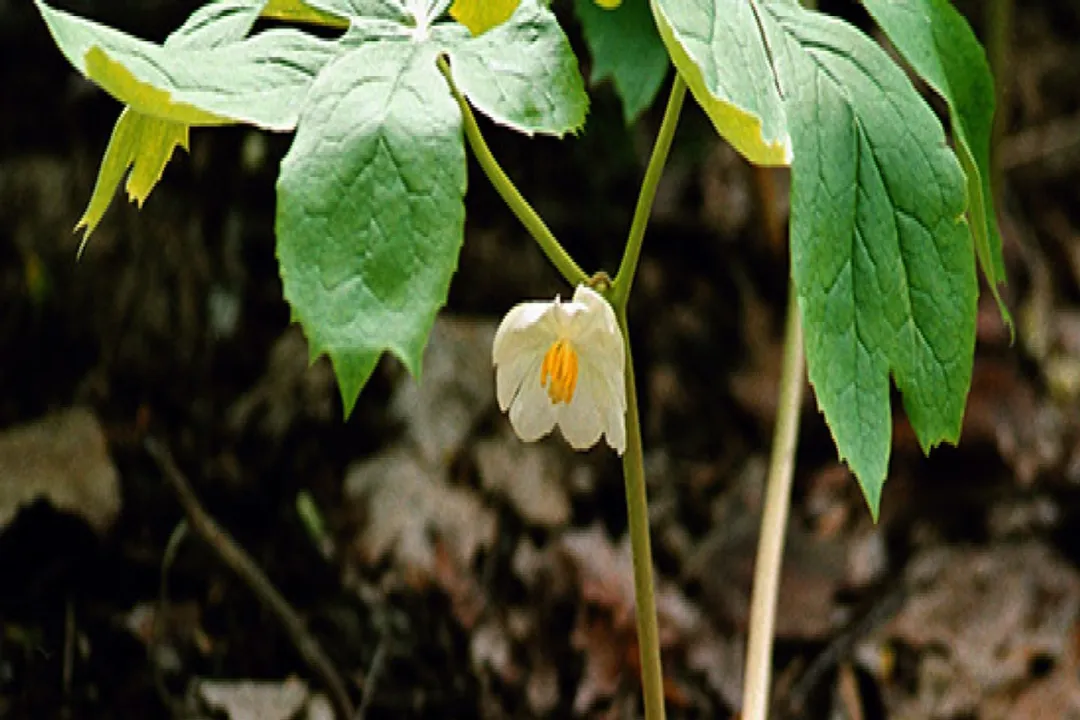
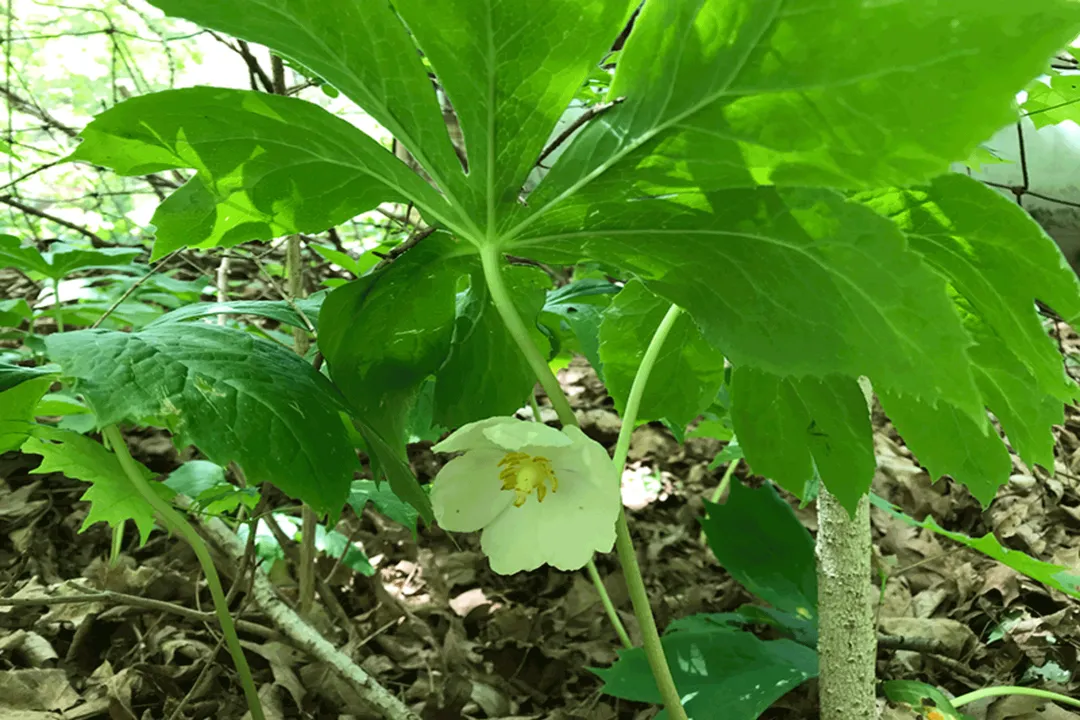
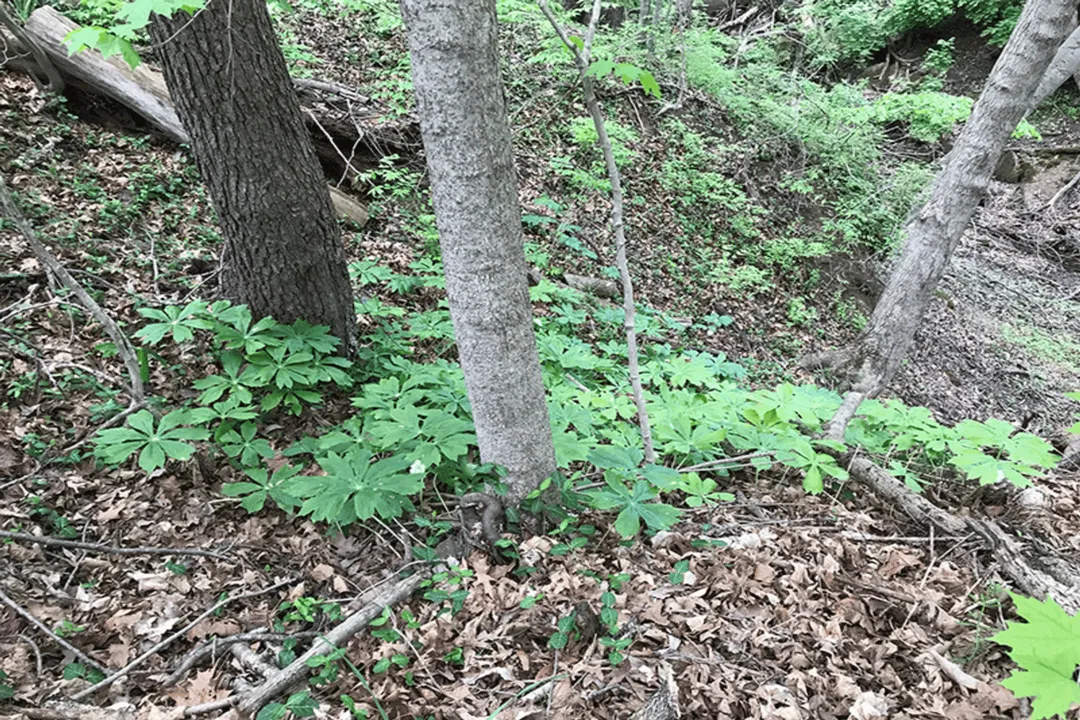
The mayapple, scientifically known as Podophyllum peltatum, is a distinctive woodland perennial native to eastern North America, often recognized by its singular umbrella-like leaf or, in flowering plants, the pair of leaves supporting a solitary, nodding white flower. [1][3][5] While it is an interesting member of the landscape, known for its spring bloom and its single, greenish-yellow to reddish-yellow fruit that appears later in the season, [1][5] understanding the potential dangers associated with this plant is crucial, as virtually every part of it carries significant toxic properties. [4]
# Plant Toxicity
The primary reason for concern surrounding the mayapple lies in the chemical compounds it produces. [4] The plant contains a toxic substance called podophyllotoxin. [4][6] This chemical is the root cause of the severe reactions that can occur if the wrong parts of the plant are consumed or improperly handled. [4] It is important to recognize that Podophyllum peltatum is generally classified as poisonous, [4][5] a fact that warrants caution for anyone encountering it in the wild or in their garden. [9]
# Part Danger
Toxicity levels are not uniform across the plant structure, which introduces complexity for identification and potential risk assessment. [4] The roots, or rhizomes, are consistently identified as the most poisonous part of the mayapple. [4] Ingestion of these roots can lead to very serious consequences. [6] Following the roots, the rest of the plant—the leaves, stems, and seeds—also contain these toxic compounds. [4]
A notable point of confusion often arises concerning the fruit, which ripens in late summer. [1] While the entire plant is considered poisonous, [4] the berry develops from the flower found between the two leaves. [5] This fruit is only considered safe for consumption once it is fully ripe, often described as a yellowish-red color. [2][4] The crucial difference is that the unripe fruit, which is green, causes severe gastrointestinal distress if eaten. [4] This distinction between the toxic unripe berry and the potentially edible ripe berry highlights a fine line that foragers must navigate with extreme care. [2]
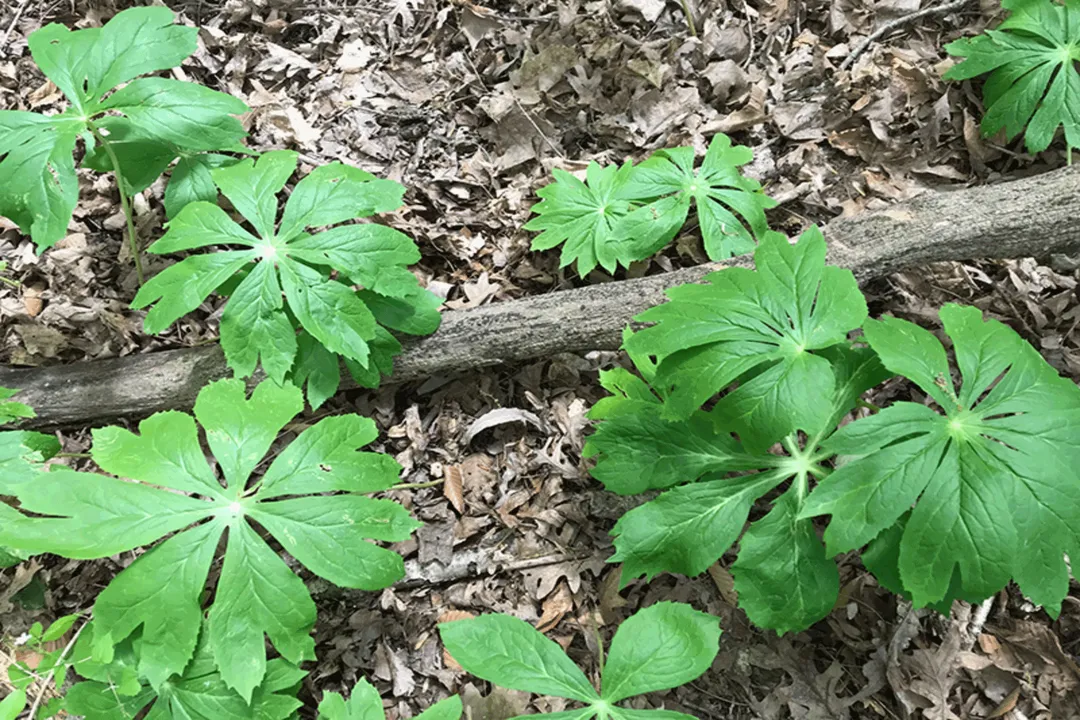
If you are observing a single-leaf mayapple plant, it is a helpful identification cue to remember that this specimen will not produce a flower or fruit, meaning all its parts remain highly toxic and pose a risk if consumed. [5] This botanical detail suggests a basic level of internal regulation within the plant regarding toxin production relative to its reproductive cycle, although all stages retain hazards. [5]
# Gastrointestinal Effects
When the poisonous parts of the mayapple are ingested, the resulting side effects are primarily centered on the digestive system. [4] The toxic principle, podophyllotoxin, acts as a strong purgative. [4] This means that consumption leads to severe gastrointestinal upset. [4]
Symptoms are typically immediate and severe, manifesting as intense nausea, vomiting, significant abdominal pain, and profuse diarrhea. [4][6] Because of the powerful cathartic nature of the compound, individuals suffering from ingestion can quickly progress to severe dehydration. [4] If a large enough quantity is consumed, the effects escalate beyond typical stomach upset, potentially involving depression of the central nervous system, leading to convulsions, coma, and, in fatal cases, death. [4] The severity of the outcome is directly related to the dose ingested and the specific part of the plant consumed. [4]
# Skin Contact
While ingestion poses the greatest internal threat, the external handling of mayapple can also cause adverse reactions. [4] The sap or juice from the plant is known to be an irritant. [5] Direct contact with the plant's liquid contents can cause localized inflammation and the development of blisters on the skin. [4] For general plant handling, especially when dealing with roots or freshly cut stems, minimizing direct skin exposure is a necessary precaution, similar to handling other plants with known irritant saps. [5]
# Pet Risk
The danger of mayapple toxicity is not limited to humans; pets are also susceptible to its adverse effects, which veterinarians often see as mayapple poisoning. [6] Dogs, for instance, can ingest various parts of the plant, leading to the same spectrum of severe gastrointestinal signs seen in humans, including excessive drooling, vomiting, diarrhea, lethargy, and painful cramping in the abdomen. [6] Given that dogs often root around in the soil, the highly toxic rhizomes present an easily accessible danger. [6] Owners of dogs that spend time in wooded or naturalized yards should be vigilant about identifying and removing this plant entirely to prevent accidental ingestion. [6]
# Toxic Agent Analysis
The compound podophyllotoxin deserves closer examination, as it is the common denominator in the plant’s toxicity. [4][6] Its potent purgative action explains the violent expulsion of the body's contents following accidental ingestion. [4] This chemical is what mandates that even the ripe fruit must be prepared correctly; while the ripe fruit is sometimes consumed, the presence of any residual toxin or the consumption of an immature fruit will trigger the toxic response. [2][4] Recognizing that the toxicity is chemically based, rather than just a generalized plant poison, provides insight into why the effects are so reliably severe when toxic doses are reached. [4]
From a safe harvesting perspective, which some might attempt with the fully ripe fruit, an important consideration is how long the ripe fruit remains safe after picking. Since the sources indicate the danger lies with the unripe state, any delay in consumption or improper storage might affect the fruit's safety profile, even if technically ripe when picked. Therefore, an initial assessment of ripeness right at the point of harvest should be the absolute minimum standard, perhaps favoring consumption only of fruit freshly gathered, rather than fruit stored for days, as chemical composition can sometimes change post-harvest. [2]
# Conservation Status
Despite its toxic nature, the mayapple holds a position of interest in the plant community, as highlighted by groups focused on native flora conservation. [9] Podophyllum peltatum is listed on conservation watch lists, such as those maintained by United Plant Savers. [9] This designation often acknowledges the plant's importance in its native ecosystem while also reflecting concerns over over-harvesting due to its traditional uses or ornamental value. [9] The fact that it is watched by conservationists means that even if a person were considering using the non-toxic ripe fruit, they should exercise restraint and consider the ecological impact of removal. [9]
# Summary of Risks
To synthesize the information regarding side effects, it is clear that caution must surround Podophyllum peltatum at all times. [4][5]
| Plant Part | Primary Risk | Severity Indicator |
|---|---|---|
| Roots/Rhizomes | Highly Toxic Ingestion | Severe GI distress, potential fatality [4][6] |
| Unripe Berries | Toxic Ingestion | Severe GI distress [4] |
| Sap/Juice | Skin Contact | Irritation, inflammation, blistering [4][5] |
| Mature Berries | Low Risk (Only when fully ripe) | Edible, but preparation is key [2] |
Even within the context of traditional or alternative uses that might involve parts of the plant—which often focus on root preparations for their potent effects [4]—the line between therapeutic action and severe poisoning is razor-thin. For the general reader, the overwhelming message provided by botanical and toxicological authorities is one of avoidance for all parts except the fully ripened fruit, which requires expert knowledge to prepare safely. [2][4] The potential for severe illness, especially in pets or children who cannot discern between a ripe berry and a poisonous root, makes robust identification and avoidance the safest course of action. [6]
Related Questions
#Citations
Mayapple | Cornell Botanic Gardens
Mayapple — Dangerous & Delicious - Forbes Wild Foods
Podophyllum peltatum (Mayapple) | Native Plants of North America
May apple - Guide to Poisonous Plants
Podophyllum peltatum (American Mandrake, Devil's Apple, Duck's ...
Mayapple Poisoning in Dogs - Symptoms, Causes, Diagnosis ... - Wag!
Mayapple plant uses and toxicity - Facebook
It's May, So its Mayapple Season - Purdue Agriculture
Mayapple – Podophyllum peltatum - United Plant Savers