What are the side effects of black radish supplements?

The transition from enjoying black radish as a vibrant, peppery root vegetable to consuming it in a concentrated supplement form often prompts questions about safety, particularly concerning potential adverse reactions. While black radish is valued for its bitter components that support digestion and liver function, like any potent natural product, it carries a profile of side effects and contraindications that users should be aware of, especially when taken outside of normal dietary intake.
# Digestive Upset
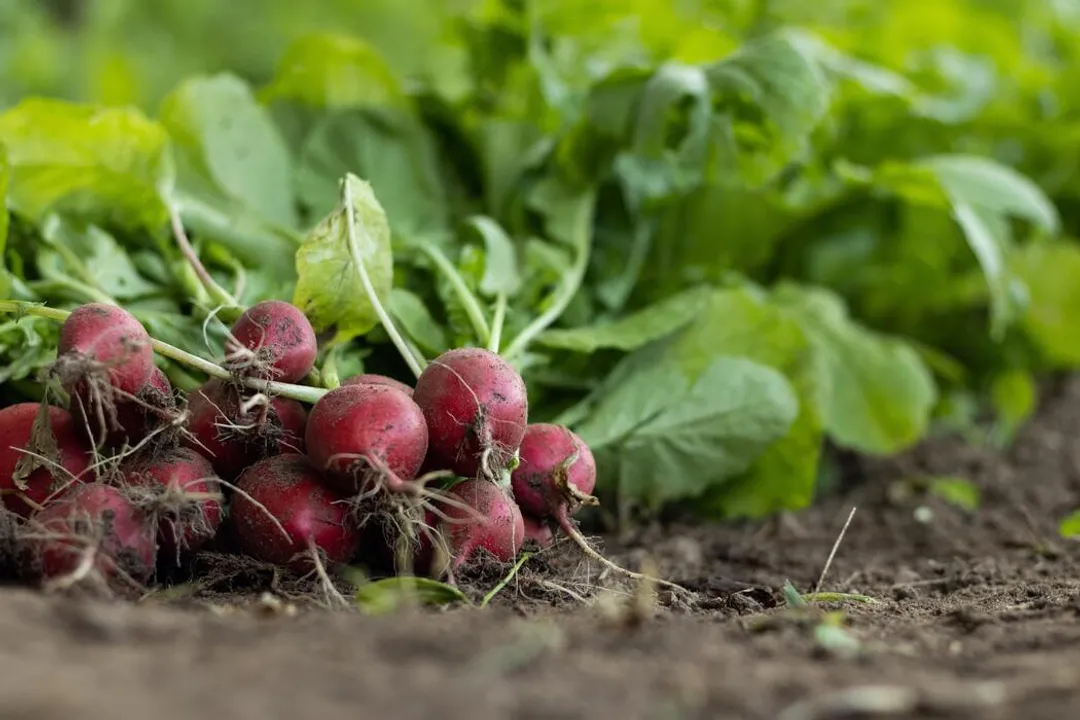
The most frequently cited side effect associated with black radish, whether consumed raw or as a concentrated extract, centers on the gastrointestinal system. Black radish, like other members of the Brassica family, contains sulfur compounds responsible for its characteristic sharpness and pungency. When ingested in large quantities, this intensity can irritate the stomach lining.
Specifically, excessive intake may manifest as:
- Stomach irritation
- Bloating
- Diarrhea
- Abdominal pain
It is worth noting that when looking at controlled studies, these effects may be less frequent than suggested by anecdotes of overconsumption. In one four-week study where healthy male subjects took a standardized Spanish Black Radish (SBR) supplement daily, only one subject reported a single adverse event categorized as mild indigestion, which was possibly related to the supplement. This suggests that for many individuals, a measured supplemental dose might bypass the irritation associated with consuming large amounts of the raw, highly pungent root. However, the raw preparation is generally considered the most potent irritant to the digestive tract.
# Gallbladder Complications
Black radish is well-regarded for stimulating the production and flow of bile, which is beneficial for digesting fats and supporting liver health. Paradoxically, this intended benefit becomes a risk for those with pre-existing gallbladder conditions.
If the bile ducts are already partially or fully obstructed, the increased bile secretion prompted by black radish can lead to sharp, sudden pain, often referred to as biliary colic. Consequently, individuals diagnosed with gallstones or other forms of gallbladder disease are strongly advised to exercise significant caution or avoid black radish preparations altogether. One animal study showed that black radish juice could eradicate diet-induced cholesterol gallstones in mice, suggesting a powerful effect on bile composition, but this mechanism is exactly what poses a threat to humans with existing stones.

# Endocrine System Interactions
A less common but critical area of consideration involves the thyroid gland. Black radish contains goitrogens, which are compounds that have the potential to interfere with the body’s ability to absorb iodine, a necessary mineral for healthy thyroid hormone production.
This risk is generally low and primarily applies to two scenarios:
- Long-term, excessive consumption of the raw root or high-dose supplements.
- Individuals who already have diagnosed thyroid disorders.
Experts in the field sometimes suggest that people with existing thyroid issues should avoid Brassica vegetables like radishes, though this is not a universal recommendation across all nutritional advice. Because supplements deliver concentrated compounds, the potential for a goitrogenic effect might be more pronounced with consistent, high-dose use than with moderate dietary inclusion.
A related endocrine concern involves blood sugar management. Radishes may contribute to lowering blood sugar levels. If someone is already taking anti-diabetic medication, taking large amounts of radish supplement could theoretically push blood sugar too low, leading to hypoglycemia. Furthermore, due to this blood sugar effect, stopping use at least two weeks prior to any scheduled surgery is recommended to maintain stable glucose control during and after the procedure.
# Risk Assessment Matrix
Understanding side effects often comes down to context—the dose, the delivery method, and the individual's current health status. The difference between eating a few slices on a sandwich and taking a standardized extract daily for a month is significant regarding potential adverse effects.
| Pre-existing Condition | Potential Side Effect | Dose Dependency | Recommendation |
|---|---|---|---|
| Sensitive Stomach/IBS | Irritation, Pain, Diarrhea | High (Raw/Excess) | Start low; use cooked or supplemented form |
| Gallbladder Disease/Stones | Biliary Colic | Moderate (Stimulation) | Avoid or consult professional |
| Known Thyroid Disorder | Goitrogenic effect | High (Long-term/Excess) | Discuss with a professional |
| Diabetes (on medication) | Hypoglycemia | High (Large amounts) | Monitor glucose closely; stop pre-surgery |
| Pregnancy/Breastfeeding | Unknown safety profile | All non-food amounts | Stick to food amounts |
An insightful approach when considering black radish is to consciously compare the whole food versus the supplement. The whole, raw root delivers the most intense pungency and the highest concentration of active glucosinolates that cause digestive distress. Conversely, a high-quality supplement is precisely measured, which mitigates the risk of acute gastrointestinal upset. However, a supplement’s concentrated nature means that the bioactive compounds responsible for long-term effects, like thyroid modulation via goitrogens, might be delivered more consistently, thus requiring a more cautious approach to continuous use than simply seasoning a salad.
# Allergic Reactions and Specific Populations
Although rare, any food product can trigger an allergic response. If a person experiences a rash or any signs of an allergic reaction after consuming radish, intake should cease immediately.
For vulnerable populations, caution is the definitive stance:
- Pregnant and Breastfeeding Individuals: There is a lack of reliable scientific information regarding the safety of taking radish in doses exceeding normal food amounts during pregnancy or while breastfeeding. To remain safe, sticking to amounts typically found in the diet is the general advice.
- Small Children: Due to potential reactions to the active substances, black radish supplementation in small children should be approached with discussion and caution.

# Safety in Clinical Context
It is beneficial to contrast the potential side effects with objective safety data from human trials when possible. The study investigating the effect of SBR supplements on healthy males over four weeks found the overall safety profile to be good. While participants experienced minor, non-significant shifts in certain blood markers (like potassium or eosinophils), all standard clinical safety measures remained within acceptable laboratory ranges. Crucially, the liver function markers, including AST and ALT, showed no concerning changes, and the observed drop in GGT was also deemed clinically acceptable. The clinical data suggests that when taken as directed in a structured, short-term regimen, the supplement does not present immediate systemic toxicity risks in healthy adults.
If one is considering black radish primarily for its detoxifying actions—which studies show can positively influence liver enzyme activity, potentially lowering markers like estradiol-17—it is essential to remember that the benefits are tied to the same compounds that carry risks. For instance, the induction of Phase I enzymes, while helpful for clearing certain toxins, can also create reactive intermediates if Phase II enzymes are not adequately supported. This highlights the importance of not over-relying on a single plant to overhaul complex metabolic processes; rather, it should be viewed as a supportive dietary component.
When initiating any supplement regimen, especially one derived from a pungent vegetable known for stimulating bodily functions like bile and digestion, the best course of action is measured integration. A practical tip for those sensitive to the raw flavor or heat, which minimizes digestive irritation, is to blend the grated radish with a fat source, such as yogurt or cream cheese, or to consume it cooked, which mellows the intensity. For those seeking standardized benefits without the risk of gastric flare-ups, adhering strictly to the manufacturer’s recommended dosage is vital, as side effects are overwhelmingly linked to exceeding typical intake levels.
Related Questions
#Citations
Radish - Uses, Side Effects, and More - WebMD
What are the effects of black radish and when to avoid it - Ferwer
An open label pilot study to evaluate the efficacy of Spanish black ...
Radish: Health Benefits, Side Effects, Uses, Dose & Precautions
Black Radish: Supporting Digestive Health with Bitters | Gaia Herbs
Radish Benefits, Nutrition, Recipes and Side Effects - Dr. Axe