What are the side effects of Dendrobium?
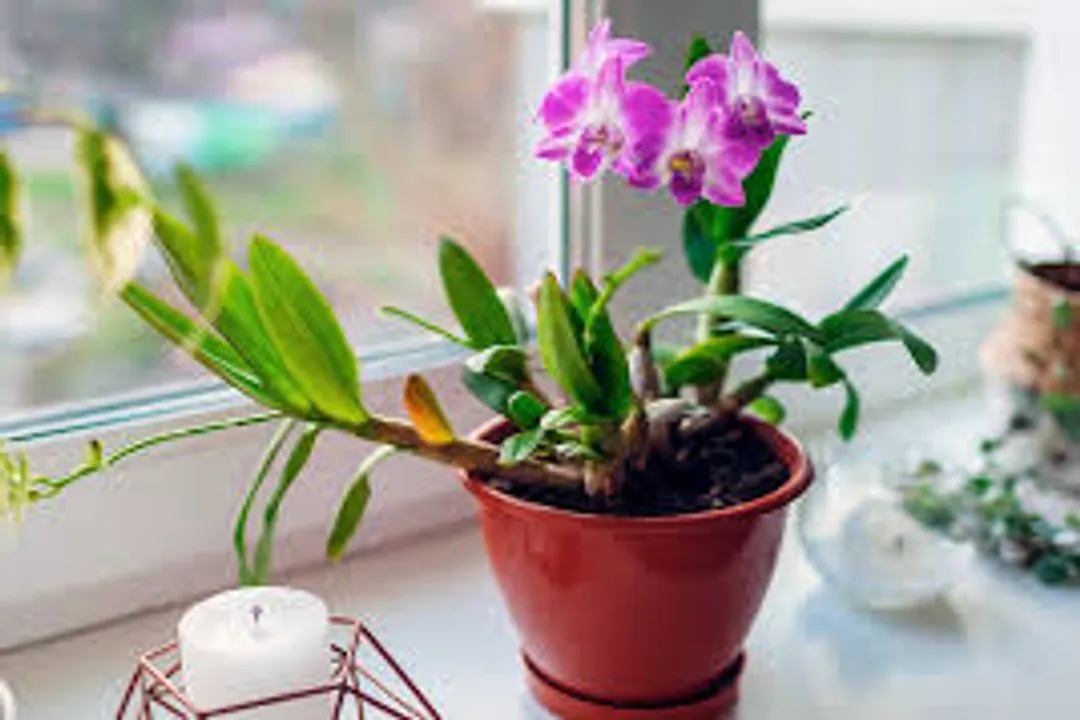
Assessing the safety profile of Dendrobium, a genus of orchids widely used in traditional practices and modern dietary supplements, requires careful consideration because high-quality, standardized clinical data is often scarce for many commercial products. [1][2][6] While the herb has been valued for centuries, particularly in Traditional Chinese Medicine where specific species like Shi Hu are used to nourish yin and clear heat, [7] the shift to contemporary supplementation brings new variables regarding dosage and preparation that affect side effects. [6]
# Safety Status
The main challenge in defining specific, common side effects for Dendrobium across the board stems from the vast number of species within the genus and the varied ways they are processed or extracted for supplement use. [2][6] Because there isn't a universally recognized standard for safety or effectiveness across all preparations, what one person experiences on one brand may differ entirely from another's experience. [1][2] In traditional contexts, the herb was often used carefully, sometimes involving decoctions that naturally buffered potential harshness, but modern encapsulated extracts concentrate active compounds in ways that were historically uncommon. [7] This difference is important: relying solely on traditional use guidelines might overlook adverse reactions stemming from modern extraction methods or unknown contaminants in commercial blends. [6]
# Adverse Events
Explicitly documented, frequent side effects across all Dendrobium supplements are not widely standardized in general safety literature. [1][2] However, as with many botanicals, undesirable effects can manifest, particularly when high doses are taken or when an individual is sensitive to the compounds present. [5] Concerns have been raised in some reports regarding potential gastrointestinal upset. [3] Furthermore, studies reviewing Dendrobium's use, particularly in diabetes research, focus heavily on its therapeutic mechanisms, but safety discussions often touch upon the need to monitor organ function, suggesting that, in certain contexts or with specific preparations like Grannle Dendrobii, there might be theoretical or observed risks involving the liver or kidneys. [3][5] Such observations usually warrant further investigation to distinguish between genuine toxicity and transient reactions.
# Drug Conflicts
Where the most concrete warnings arise is in the area of drug interactions. Dendrobium may affect how the body processes certain prescription medications, potentially increasing or decreasing their effectiveness, which can lead to serious outcomes. [1][2]
# Blood Thinners
One of the most frequently cited concerns involves anticoagulant medications, such as warfarin. [1][2][3] If Dendrobium influences clotting factors or impacts the liver enzymes responsible for metabolizing these drugs, it could alter the blood-thinning effect of the prescription. For someone on warfarin, this interaction poses a significant risk of either excessive bleeding or insufficient anticoagulation. [3] Anyone taking these types of medications should exercise extreme caution and discuss Dendrobium use explicitly with their healthcare provider. [1][2]
# Diabetes Medication
Given that Dendrobium is often studied for its potential to help manage blood sugar levels, [4][5] combining it with prescribed diabetes medications introduces a risk of hypoglycemia (blood sugar dropping too low). [1][2][4] If the supplement works as expected and the prescription dose remains unchanged, the combined effect could push blood glucose levels into a dangerously low range. [5] Careful, regular monitoring of blood sugar is non-negotiable when integrating Dendrobium with insulin or oral hypoglycemic agents. [1]
# Special Groups
Specific populations face higher potential risks due to a lack of safety data, mirroring general guidelines for many unproven supplements. [6]
# Pregnancy and Nursing
There is insufficient reliable information available to confirm the safety of Dendrobium use during pregnancy or while breastfeeding. [6] In the absence of clinical evidence proving safety, standard professional advice defaults to avoidance for these groups, as the potential effects on a developing fetus or infant are unknown. [6]
# Immunological Status
While traditional uses point toward balancing the body's internal environment (clearing heat), [7] individuals with autoimmune conditions or those taking immunosuppressants need to be wary. Any herb that significantly modulates immune or inflammatory responses—a general property often ascribed to botanicals—could theoretically interfere with drugs designed to suppress or stimulate the immune system. [5]
If you are considering adding Dendrobium to your routine, it is helpful to look closely at the label to determine the preparation. For example, many traditional formulas emphasize the use of the dried stem, Shi Hu. [7] If your supplement provides an extract where the specific source material is unclear, this lack of detail increases the uncertainty surrounding potential effects, as different plant parts or growth conditions can yield different chemical profiles and, consequently, different side effect profiles. [6] It is worthwhile to compare what the label claims against known traditional uses to gauge if the product aligns with established, albeit ancient, safety contexts. [7]

# Product Integrity
Beyond inherent pharmacological side effects, a significant practical concern for Dendrobium users relates to product integrity, which directly influences side effects. [6] Because the market for herbal supplements is not always strictly regulated like pharmaceuticals, contamination is a possibility. [6] Products can sometimes be adulterated with undeclared prescription drugs, heavy metals, or incorrect plant material. [6] Experiencing an unexpected or severe adverse event might be due to an unwanted contaminant rather than the Dendrobium itself, underscoring the necessity of choosing reputable manufacturers who adhere to good manufacturing practices (GMP). [6] When reviewing a product, seeking transparency about sourcing and testing procedures serves as a vital, though often overlooked, part of risk management, helping to mitigate risks associated with product quality rather than the herb's intrinsic properties.
Related Questions
#Citations
Dendrobium - Uses, Side Effects, and More - WebMD
Dendrobium: Health Benefits, Side Effects, Uses, Dose & Precautions
What are the side effects of Grannle Dendrobii? - Patsnap Synapse
The effects of Dendrobium species on the metabolic syndrome - NIH
Dendrobium in Diabetes: A comprehensive review of its ... - OAText
Dendrobium: Why is it in supplements?
Dendrobium (shi hu) - Herbs & Botanicals | Acupuncture Today
Dendrobium | vital.ly
Dendrobium and its active ingredients: Emerging role in liver ...
In the gym today and I saw this... Dendrobium "herb" being used as ...