What are the side effects of borage tea?

When considering a cup of borage tea, it is essential to move past its traditional reputation for bringing courage and focus on the tangible risks associated with its consumption. While the vibrant blue flowers and leaves are steeped to create this herbal infusion, the potential for side effects is significant enough to warrant careful consideration, especially concerning long-term or frequent use. [1][6] The primary safety concerns don't just relate to simple digestive discomfort, but involve toxic compounds present in the plant material itself. [5][9]
# Plant Constituents
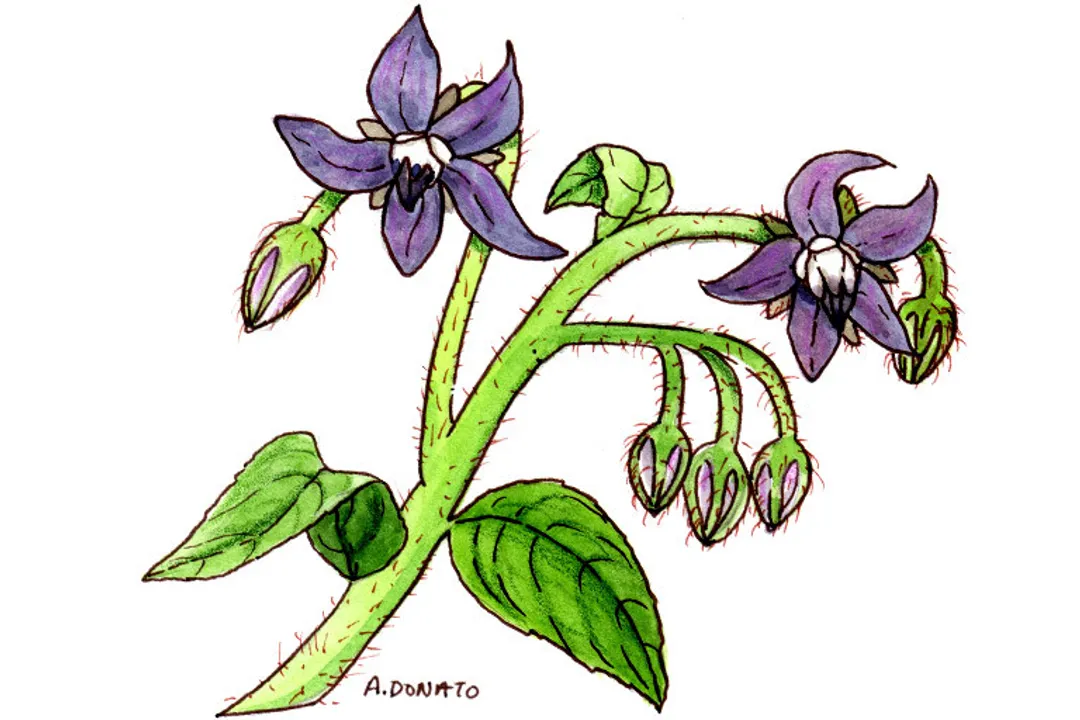
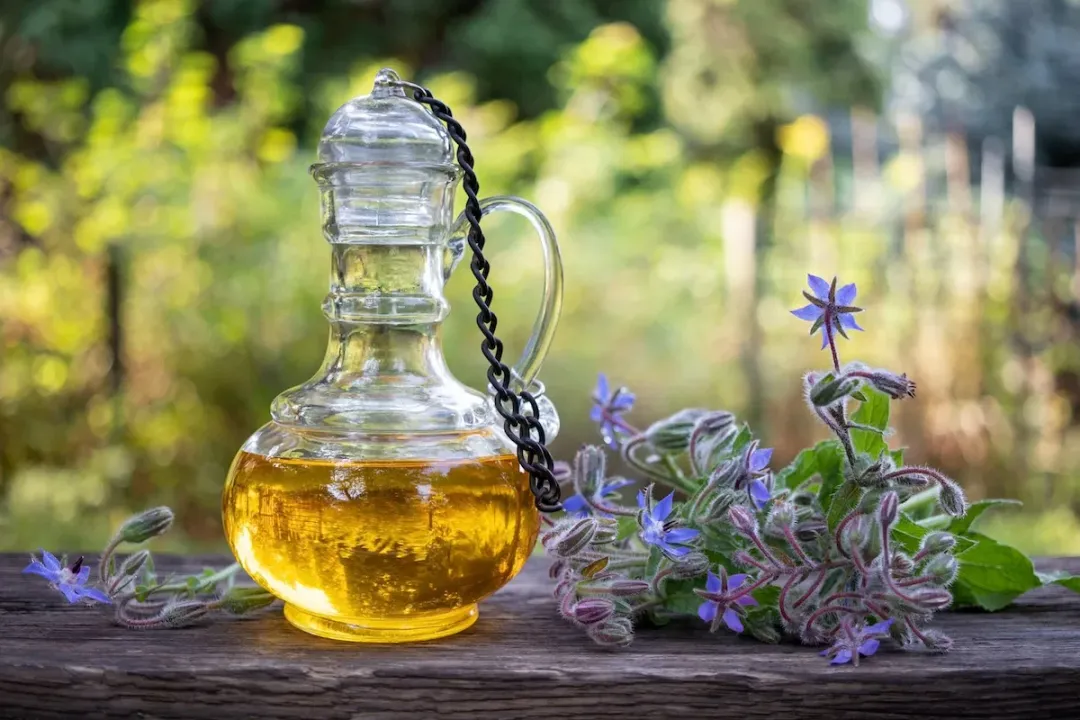
Borage, or Borago officinalis, is famous for its seeds, which are cold-pressed to create borage seed oil. This oil is highly valued for its rich concentration of gamma-linolenic acid (GLA), an omega-6 fatty acid with anti-inflammatory properties. [4][5][7] However, when you brew tea, you are primarily using the leaves and flowers of the plant. [1][8] These parts, unlike the oil extracted from the seed, contain naturally occurring compounds called pyrrolizidine alkaloids (PAs). [1][3]
It is important to understand this distinction: borage seed oil supplements are usually processed to be free of these harmful chemicals, but the unprocessed herbs used for tea infusions may not be. [3][5] Even though some sources note that young leaves contain lower levels of PAs than older ones, the risk remains when consuming the aerial parts of the plant regularly. [6] For anyone making their own infusion, understanding that the older the leaf used in the brew, the higher the potential concentration of these toxins is a crucial, though perhaps unexpected, piece of practical knowledge to possess. [6]
# Common Discomforts
For many individuals, the immediate reaction to consuming borage—whether as a tea or in supplement form—might be mild gastrointestinal distress. [7] These common side effects are generally considered manageable but should not be ignored. [2]
Reported mild adverse reactions include:
- Bloating and excessive gas. [2][5]
- Belching. [5][7]
- Diarrhea or loose stools. [1][5][7][10]
- Nausea and stomach pain or cramping. [1][8]
- Headache. [1][7]
While these symptoms usually prompt a person to discontinue use, they also serve as a non-specific warning sign that the body is reacting to the introduction of the herb. [1] For reference, when high doses of the oil were studied, GI issues like belching and soft stools were specifically noted in rheumatoid arthritis patients. [10]

# Organ Toxicity

The most serious concern related to the consumption of the whole borage plant parts, such as those used in tea, is the potential for liver damage due to the presence of pyrrolizidine alkaloids (PAs). [5][9] PAs are known to be hepatotoxic, meaning they can poison the liver. [7][9]
Chronic exposure to PAs, even in low doses over time, increases this risk. [1][9] The toxic effect can sometimes lead to a severe condition known as veno-occlusive disease (VOD), where the blood vessels around the liver become blocked. [5] Symptoms indicating potential liver distress might include pain in the upper abdomen, vomiting, diarrhea, and an enlargement of the liver (hepatomegaly). [5]
This hepatotoxicity issue is why many experts advise limiting the internal use of borage leaves to short periods, perhaps only four to six weeks, or even restricting consumption to only PA-free products. [6][9] If you are already managing any form of liver disease, the general consensus is clear: you should avoid borage products entirely due to the increased risk of exacerbation. [1][8][9]
# Bleeding Potential
While the liver toxicity stems from the PAs found in the plant material, a separate risk arises from the high concentration of GLA found in borage seed oil, which is relevant if one were to try concentrating the tea or consuming very high amounts of the herb itself. [7] GLA is known to potentially prolong bleeding time and increase the risk of bruising and bleeding. [3][7][9]
Borage seed oil contains about 25% GLA, significantly higher than evening primrose oil's 10%. [7] Because of this property, caution is necessary if you are taking any medication designed to slow blood clotting (anticoagulants or antiplatelets). [3][9] This includes common medications like aspirin, ibuprofen, warfarin, or Plavix. [3][7] In theory, combining borage with these substances could compound the effect, leading to excessive bleeding or bruising. [7][10] It is also generally recommended to stop taking borage oil at least two weeks before any scheduled surgery to mitigate surgical bleeding risks. [3][7]

# Special Population Warnings
Certain groups should approach borage tea with extreme caution or avoid it altogether due to documented or theoretical risks. [1][9]
# Pregnancy and Breastfeeding
Borage use is not recommended for women who are pregnant or breastfeeding. [1][8][9] For pregnant individuals, there is concern that borage, specifically due to its prostaglandin agonist action, might cause premature labor or even teratogenic effects. [9] For nursing mothers, the PAs present in the plant parts could potentially pass into breast milk, posing a danger to the infant. [1][3] Furthermore, cases have linked infant blood disorders, such as blue baby syndrome (methemoglobinemia), to the ingestion of borage purée, which is high in nitrates that infants cannot process well. [1][8][9]
# Drug Interactions
Beyond blood thinners, borage can interact with other medications due to how the body processes it:
- Liver-Metabolized Drugs (CYP3A4 inducers): Some medications that speed up how the liver breaks down other substances (like ketoconazole or anabolic steroids) might also affect how borage is processed, potentially increasing the toxic effects of any PAs present. [3][7][9]
- Seizure Threshold: A historical concern, though debated, exists regarding borage oil interacting with phenothiazines (medications for mental/emotional disorders) and potentially lowering the seizure threshold. [3][7][10] One case report linked high-dose oil use to status epilepticus in a healthy woman. [9][10] Therefore, individuals with epilepsy are advised to use borage oil cautiously, which logically extends to ensuring a tea product is free of concerning compounds. [7][10]
# Acute Reactions
Though less common than GI issues, allergic reactions are a possibility when introducing any new herb. [1] If you are susceptible to plant allergies, watch for symptoms such as:
- Skin rash or hives. [1][8]
- Itching. [1]
- A runny nose. [1]
- Dizziness or sudden tiredness. [1]
- Difficulty breathing or throat swelling, which requires emergency medical attention (anaphylaxis). [1]
Additionally, the texture of the plant itself can cause a physical reaction. The stems and leaves of borage are covered in bristly hairs, which can lead to mild skin irritation if handled roughly or if the tea residue comes into contact with sensitive skin areas. [6][7]
# Synthesis and Selection
When weighing the decision to drink borage tea, the key takeaway is that you are consuming different constituents than those in the popular seed oil supplement. [4] The oil delivers high GLA, posing a bleeding risk, but is usually filtered for toxins. The tea delivers the fresh herb material, posing a significant hepatotoxicity risk from PAs unless the source is guaranteed clean. [5][9] For this reason, while the use of seed oil is sometimes deemed "possibly safe" for limited durations if PA-free, the prolonged use of leaf or flower tea demands strict adherence to professional guidance. [3][7] If you choose to drink it, opting for only the flowers, which are reputed to have less PA content than the leaves, might slightly reduce the overall risk profile, but this is not a guarantee of safety for chronic use. [6] Ultimately, always confirm the source and never assume that because something is an "herbal tea," it is inherently benign for daily consumption. [1][10]
Related Questions
#Citations
Borage - Uses, Side Effects, and More - WebMD
Borage: Benefits, Uses, and Precautions - Healthline
Borage: 12 Health Benefits, How to Use & Side Effects - Tua Saúde
Borage: Benefits, Uses, Side Effects, and More - Health
Borage Monograph — HerbRally
Borage: Health Benefits, Side Effects, Uses, Dose & Precautions
Borage Uses, Benefits & Side Effects - Drugs.com
Borage: Benefits, Uses, and Precautions - MedicineNet
Borage | Memorial Sloan Kettering Cancer Center