Does acerola have side effects?
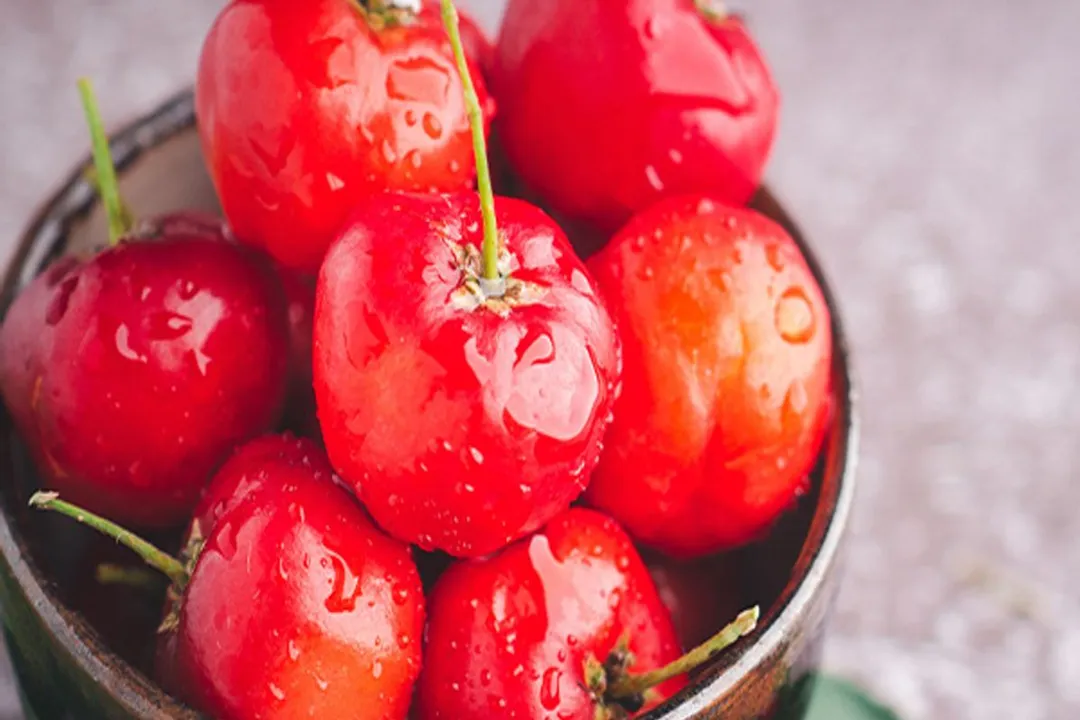
Acerola, often touted as a superfood due to its remarkably high Vitamin C content, naturally prompts questions about its safety profile, particularly when taken in concentrated supplement form. While this vibrant tropical fruit is generally recognized as safe for consumption, understanding the potential adverse effects associated with its concentrated extracts is important for any user. [1][6] Most reports indicate that side effects are uncommon, especially when consuming the whole fruit in typical dietary amounts. [1] However, because acerola is frequently processed into powders, capsules, or juices that deliver significantly higher levels of ascorbic acid than one would get from eating a few cherries, the context of use heavily influences the risk factors. [3][5]
# Safety Overview
The vast majority of information regarding acerola safety pertains to short-term use of commercially available supplements. [1] In standard food preparations, acerola is simply a source of nutrition, similar to eating an orange or bell pepper, and adverse reactions are extremely rare. [4] When looking at the existing data, it appears that the primary safety concerns shift away from the fruit itself and toward the pharmacological effects of mega-dosing its main active component: Vitamin C. [1]
It is worth noting that while the fruit delivers Vitamin C naturally alongside other beneficial compounds, supplement users often ingest several times their daily requirement in a single dose. [8] A key distinction to make when evaluating risk is between eating the whole fruit and taking a concentrated extract. An individual consuming a handful of fresh acerola cherries is far less likely to experience negative effects than someone taking a gram or more of pure ascorbic acid derived from the extract, simply because the total nutrient load and concentration are vastly different. [5]
# Stomach Upset
The most commonly reported side effects, even when associated with high Vitamin C sources like acerola supplements, are gastrointestinal in nature. [1][6] When the body is overwhelmed with a large influx of ascorbic acid, it can lead to irritation in the digestive tract. [1]
These temporary issues can manifest as:
If you are trying acerola for the first time, perhaps starting with half the recommended dose listed on a supplement container and gradually increasing it over a few days gives your digestive system a chance to adjust to the higher Vitamin C load. Monitoring how your body reacts to that initial exposure is a good way to gauge your personal tolerance threshold before moving to a full serving size. [8]
# High Dose Effects
Beyond immediate digestive upset, chronic consumption of very high doses of Vitamin C—which can easily happen with potent acerola supplements—raises specific theoretical concerns related to metabolism and excretion. [1]
# Kidney Health
One significant consideration involves the kidneys. Vitamin C is metabolized, in part, into oxalate, which is then excreted through urine. [1] For individuals who are already prone to forming calcium oxalate kidney stones, supplementing with very high levels of Vitamin C may increase the risk of recurrence, though research on this correlation remains somewhat mixed. [1] It is a precautionary measure based on the chemical pathway involved.
# Iron Absorption
Because Vitamin C is known to enhance the absorption of non-heme iron (the type found in plant sources), this can be either a benefit or a risk depending on the user's health status. [1][6] For people with normal iron levels, this is usually not an issue. However, individuals suffering from conditions involving iron overload, such as hereditary hemochromatosis, must exercise caution. [1] In these specific cases, the enhanced iron absorption provided by high doses of acerola Vitamin C could lead to dangerous iron accumulation in organs like the heart or liver. [6]
# Rare Allergies
While toxicity is generally low, any substance derived from a plant can potentially trigger an allergic reaction in a susceptible person. [4] Although rare, allergic responses to acerola have been documented. [4]
Symptoms of a true allergic reaction can include:
- Skin reactions, such as rashes or hives [4]
- Swelling, particularly around the throat or face [4]
- Difficulty breathing, in severe cases [4]
If someone has known allergies to related botanical sources or components, they should approach acerola supplements with more care. If any signs of allergic response appear, discontinuation of use and medical consultation are necessary. [4]

# Medication Conflicts
The interaction profile of acerola is largely dictated by its Vitamin C concentration, making it essential for anyone taking prescription medications to discuss its use with a healthcare provider. [1][6]
Several classes of drugs may be affected by high doses of Vitamin C:
- Estrogen Medications: High levels of Vitamin C might reduce the effectiveness or alter the levels of estrogen in the body when taken concurrently. [1][6]
- Chemotherapy: There is some concern that very high doses of antioxidants, like Vitamin C, could potentially interfere with the mechanism of certain chemotherapy drugs, although this area requires more definitive study. [1]
- Warfarin (Coumadin): Some reports suggest that very high doses of Vitamin C might decrease the effectiveness of blood-thinning medications like warfarin, increasing the risk of clotting, although other sources suggest a possible interaction in the opposite direction. [1][6] Given the potential for variable effects on coagulation monitoring, professional medical guidance is paramount here. [6]
It is always prudent to view high-dose Vitamin C supplements, including concentrated acerola products, as pharmacologically active agents that can influence how other medications work within the body. [1]
# Sensitive Groups
Beyond specific drug interactions, certain pre-existing health conditions require special attention when considering acerola supplementation, mostly due to the concentrated Vitamin C content:
- G6PD Deficiency: Individuals with this genetic disorder should avoid extremely high doses of Vitamin C, as it can potentially cause adverse effects, including hemolysis (the destruction of red blood cells) when taken in massive quantities. [1]
- Kidney Disease: Anyone with existing or chronic kidney impairment should speak with a nephrologist before starting a high-intake Vitamin C regimen, as their ability to clear waste products efficiently may be compromised. [1]
For the general healthy population consuming acerola in moderation, these risks are very low. The concern arises when using standardized supplements designed to provide amounts far exceeding the Recommended Dietary Allowance (RDA). [8] When reviewing supplement labels, it’s helpful to quickly compare the stated Vitamin C amount against the established Upper Intake Level (UL) for adults, which is generally set around 2,000 mg per day, though individual needs vary greatly. [1] If an acerola supplement pushes a user close to or over this level, the potential for side effects increases proportionally.
Related Questions
#Citations
Acerola - Uses, Side Effects, and More
Acerola C Side Effects: Common, Severe, Long Term
Acerola Cherry: Vitamin C, Fruit, Powder, and Benefits
Acerola: beware of potential allergic reactions |
Learn About Acerola Cherry Extract in 5 Minutes
Acerola: Health Benefits, Side Effects, Uses, Dose & ...
Acerola – Effects, Dosage, Side Effects & Benefits
What are the adverse effects of Acerola?
Acerola Cherry: An Overview of Its History, Health Benefits, ...