What are the negative side effects of yarrow?
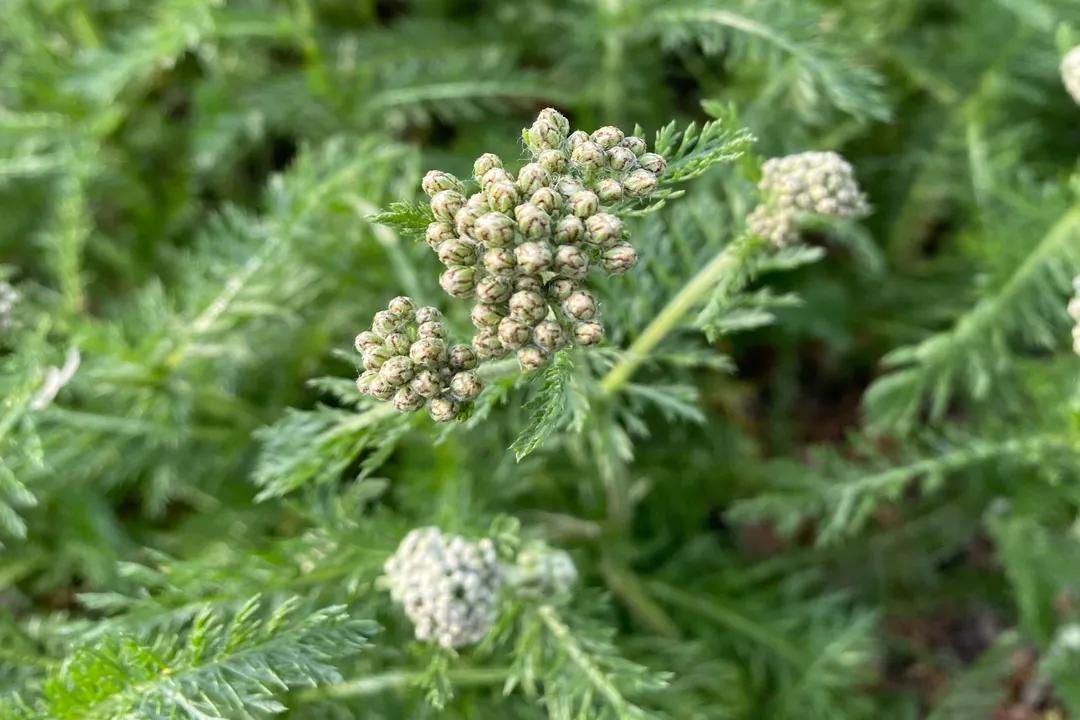
The long history of yarrow, or Achillea millefolium, in folk medicine suggests a picture of powerful, trusted healing, especially concerning wounds and fever. However, any substance used medicinally, particularly one utilized for centuries, carries a spectrum of potential downsides that general readers must understand before incorporating it into their routine. While many associate yarrow with its reported benefits—such as aiding digestion or reducing inflammation—the discussion of its negative side effects, contraindications, and potential toxicities is essential for safe practice. Ignoring these warnings can lead to unexpected adverse events or dangerous interactions with prescription treatments.
# Skin Reactions

For those who wish to apply yarrow externally, whether as a topical ointment or in a compress, the most frequently cited negative reaction involves the skin itself. Direct contact with the plant or its preparations can lead to localized irritation. The most common specific reaction reported is contact dermatitis. This manifests as a rash or localized skin sensitivity when the herb touches the skin. Even when assessing its use in cosmetic preparations, skin sensitization has been a focus of safety evaluations. If you have known sensitivities or very delicate skin, even casual contact in the garden should be approached with caution.
# Internal Effects

When yarrow is consumed, typically as a tea or in capsule form, the side effects tend to involve systemic functions. One common, though generally mild, effect noted in some users is an increase in urination. This suggests a mild diuretic or "water pill" effect. Furthermore, some individuals report feeling mild drowsiness or sedation after internal use. This can be a beneficial side effect if seeking relaxation, but it becomes a significant negative when users are operating machinery or need alertness. Another set of reported effects, particularly concerning yarrow tea, includes nausea, dizziness, and general upset stomach.

# Pregnancy Warnings
The most serious contraindication associated with yarrow consumption centers on reproductive health, making its use during pregnancy decidedly unsafe. Yarrow contains compounds that have documented emmenagogue properties, meaning they can stimulate menstrual flow. In the context of pregnancy, this action carries the risk of causing uterine contractions, which may ultimately lead to a miscarriage. Due to this clear risk, avoiding oral intake during pregnancy is strongly advised. The volatile oil, in particular, should be avoided when pregnant. Additionally, the safety profile for use during breastfeeding is insufficient, leading healthcare advisors to recommend avoiding it during this period as well.
# Drug Interactions
The compound nature of yarrow—containing various active constituents—means it can interact with several classes of conventional medications, sometimes with significant consequences.
# Blood Clotting Medications
Yarrow contains the alkaloid achilleine, which has a noted effect on blood coagulation, essentially slowing the time it takes for blood to clot. This feature, historically valued for stopping external bleeding, becomes a major liability when combined with prescription anticoagulants or antiplatelet drugs, such as aspirin or warfarin. Combining yarrow with these blood thinners can significantly increase the risk of bruising, excessive bleeding, or hemorrhage. Because of this interaction, anyone scheduled for surgery is advised to discontinue yarrow use at least two weeks prior to the procedure to mitigate surgical bleeding risks. For those considering long-term use, it is crucial to note that individuals with pre-existing bleeding disorders should also exercise extreme caution or avoid it altogether.
# Lithium Management
A significant interaction involves the mineral lithium, commonly used to manage bipolar disorder. Yarrow may act like a diuretic, potentially reducing the body's ability to eliminate lithium effectively. This can lead to lithium accumulating in the system, reaching dangerous levels that can cause severe toxicity. Anyone taking lithium must consult their prescribing physician before introducing yarrow, as dosage adjustments for the medication may be necessary.
# Stomach Acid Effects
Yarrow is sometimes suggested to stimulate digestive function by promoting the production of stomach acid. While this might benefit those with low stomach acidity, it creates a conflict with common over-the-counter and prescription medications designed to reduce stomach acid, such as antacids, H2-blockers (like cimetidine), or proton pump inhibitors (like omeprazole). By potentially counteracting the intended action of these drugs, yarrow could decrease their effectiveness. It is a minor interaction, but one that compromises necessary treatment regimens.
# Sedative Drugs
Given that yarrow can possess mild sedative qualities, its concurrent use with other medications that cause drowsiness or sleepiness—such as some anti-seizure drugs or barbiturates—can lead to an additive effect. This potential for increased sedation warrants caution when mixing yarrow with prescribed sleep aids or other central nervous system depressants.

# Allergy Risk
The plant belongs to the Asteraceae (or Compositae) family, a large group that includes many common allergens like ragweed, daisies, and chrysanthemums. If a person has a known allergy to any plant within this family, they face an increased risk of experiencing an allergic reaction to yarrow. This allergic response can manifest as respiratory issues or dermatitis. A key step for new users should be checking their history for sensitivities to these common flowers and weeds.
# Toxicity Concerns
While yarrow is generally considered safe when consumed in amounts typically found in food, higher or concentrated medicinal doses introduce the risk of toxicity related to its chemical components. The plant contains alkaloids that, while helpful in small quantities, can become toxic if ingested in large amounts. Another chemical of concern is thujone, which is known to be poisonous in large doses, meaning yarrow products concentrated in this compound may be unsafe. Furthermore, some livestock will avoid grazing on yarrow because the tannins in the plant create a very bitter taste, which is one natural deterrent against overconsumption. For humans consuming yarrow in large quantities, the resulting symptoms can include vomiting, diarrhea, rash, sleepiness, and increased urination, echoing some of the milder side effects but in a more severe presentation.
It is worth noting that even in professional herbal settings, there is a lack of standardized dosage that applies across the board, leading to recommendations based on tradition rather than definitive human trials, such as the 4.5g/day suggestion for inflammatory conditions. When approaching commercial yarrow supplements, one strategy for long-term internal use is to seek out products that guarantee the removal or guarantee a zero reading of compounds like thujone, ensuring the safety profile observed in the 12-month study (using 250–500 mg daily) is not compromised by a less refined extraction. This move from simple tea consumption to standardized extracts requires diligence on the part of the consumer to verify sourcing and purity.
Another crucial consideration for individuals integrating herbal remedies like yarrow is establishing a clear administrative routine for managing potential risks. For instance, given the confirmed interaction with anticoagulants and the pre-surgical stop recommendation of two weeks, a helpful actionable step is creating a personal "Herb Stop List." This list should detail not just the names of herbs, but the specific mechanisms of action—like "Achilleine compound, anti-coagulant action"—to better communicate these risks to surgeons, anesthesiologists, or prescribing doctors who might be more familiar with pharmaceutical mechanisms than with botanical constituents. This documentation effort bridges the gap between traditional knowledge and modern medical protocols, mitigating foreseeable risks associated with the plant's known effects on blood chemistry.
Related Questions
#Citations
Yarrow - Uses, Side Effects, and More
9 Yarrow Benefits, Side Effects, and More
Benefits of Yarrow Tea & Side Effects
Yarrow: Health Benefits, Side Effects, Uses, Dose & ...
Yarrow: A Plant Profile and Seed Historian Report ...
Yarrow – Health Information Library
Yarrow Uses, Benefits & Side Effects
Are Yarrow Poisonous?
Yarrow benefits, dosage, and side effects