What are the side effects of caraway seeds?
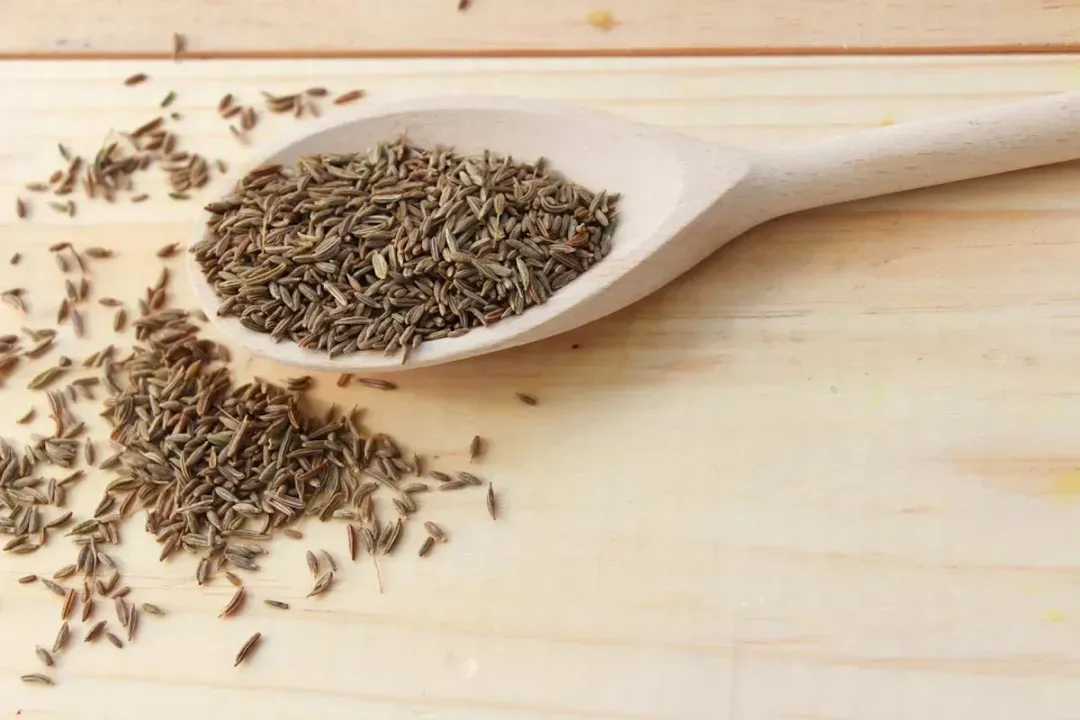
Caraway, with its distinctive, slightly pungent aroma often lending character to rye bread and rich stews, is widely recognized for its flavor. However, when this herb transitions from a common spice to a concentrated supplement—be it an oil or a strong tea—it’s essential to understand the potential drawbacks. While generally considered safe for culinary use, consuming caraway in medicinal quantities introduces a spectrum of possible side effects and contraindications that warrant attention. [5][7]
# Digestive Effects
For most people, caraway is associated with aiding digestion, relieving issues like gas and spasms. [3][5] This benefit is likely due to its classification as a carminative, meaning its volatile oils help soothe intestinal cramping. [3] Yet, this very characteristic can sometimes backfire.
When used in high doses, or specifically when combined with peppermint oil—a common pairing for dyspepsia remedies—caraway might paradoxically cause gastrointestinal upset. [4][5] Reported side effects in these contexts include heartburn, burping, and nausea. [4][5] Furthermore, excessive intake of the dried seed has been linked to more general digestive disturbances such as diarrhea, general bloating, and flatulence. [2][6]
It is helpful to make a clear distinction between the spice in your food and the concentrated extract. The vast majority of recorded side effects arise when individuals consume caraway in therapeutic doses or as a potent essential oil, rather than when they sprinkle a pinch over sauerkraut or bread. [7] Culinary amounts are usually enjoyed with minimal risk. [5][7]
# Allergic Reactions
Although relatively rare, allergic reactions to caraway seeds are a possibility. [1][5] Sensitivity is often linked to the plant family caraway belongs to—Apiaceae (the carrot family)—meaning cross-reactivity can occur. [1] If you have known allergies to related herbs such as fennel, celery, or coriander, you should exercise significant caution or avoid caraway altogether. [1][2]
When an allergic response does happen, symptoms can range from mild to more serious systemic reactions. These may include skin manifestations like itching, hives, or a rash. [2][5] More alarming symptoms requiring immediate attention include difficulty breathing or tightness in the throat or chest. [1] Anyone experiencing these suggests discontinuing use immediately and seeking medical advice. [2][5]

# Metabolic Concerns
One of the more significant areas for caution involves caraway’s effect on blood glucose regulation. Research suggests that caraway possesses properties that may help lower blood sugar levels. [2] While this may be beneficial for some, it poses a direct risk for others.
For individuals managing diabetes with medication, this property is a concern because taking caraway in high amounts alongside prescription antidiabetic drugs could cause blood sugar to plummet too low, resulting in hypoglycemia. [2][4][5] This potential for interaction is considered a moderate concern, requiring careful blood sugar monitoring if caraway supplements are incorporated into the routine. [4][5] Similarly, those relying on herbal products that also aim to decrease blood sugar should consult a provider before adding caraway. [1]
# Special Population Precautions
Certain groups should exercise extra vigilance or avoid caraway supplementation entirely, particularly in its concentrated forms.
# Pregnancy and Breastfeeding
The use of caraway during pregnancy is generally advised against when taken in medicinal doses. [5] This caution stems from historical use of caraway oil to stimulate menstruation, a practice that carries the risk of causing a miscarriage. [4] Since there is insufficient reliable data on the safety of concentrated caraway during gestation, avoidance is the recommended precautionary stance. [1][4]
For breastfeeding mothers, the information is less definitive but leans toward caution. While caraway has been used traditionally to increase milk supply (galactogogue), other traditional uses suggest it might decrease oversupply. [6] Studies have shown that the chemical components, like d-carvone, can transfer into breast milk, though no adverse effects were noted in infants in those specific, small studies. [6] However, given the lack of conclusive safety data for the concentrated forms, consulting a healthcare provider before use is the safest path. [1][5]
# Concerns for Infants and Young Children
The purified volatile oil specifically warrants careful use around the very young. The oil from caraway, like other herbs in the Umbelliferae family, can be irritating to the skin and mucous membranes in children under the age of two, meaning the essential oil should not be applied topically or used internally in that age group. [3] For infants experiencing colic, caraway tea has been used traditionally, but medical guidance is necessary before administering any concentrated form. [3]

# Medication Interactions
Beyond blood sugar mediation, caraway can influence the body’s processing of other substances, creating several moderate-level interaction concerns that require consultation with a physician or pharmacist. [4][5]
# Diuretic Effects and Lithium
Caraway fruit extract may possess a diuretic effect, meaning it promotes urine production and the excretion of substances like potassium. [2][5] This action is problematic when combined with lithium, a medication often treated as a narrow therapeutic index drug. If caraway causes increased clearance of lithium, blood levels could drop too low. [5] Conversely, if caraway acts as a diuretic that affects potassium excretion, combining it with prescription diuretics ("water pills") could lead to dangerously low potassium levels in the body. [1][4][5]
# Sedation and Liver Metabolism
If you take medications classified as sedatives (CNS depressants), adding caraway extract might amplify drowsiness and slow breathing, as caraway itself can induce sleepiness. [1][4][5] Furthermore, caraway might affect how quickly the liver breaks down certain medications (specifically those metabolized by Cytochrome P450 1A1 or CYP1A1 enzymes). [1][4][5] This alteration in metabolic speed could result in either higher-than-expected drug levels or reduced effectiveness, depending on the specific medication. [4]
# Minor but Notable Interactions
There are also interactions noted with some antibiotic drugs, where caraway seed extract may increase the body's absorption or blood levels of medications such as Isoniazid, Pyrazinamide, and Rifampin, potentially heightening their intended effects or side effects. [1][4]
Another specific area of concern is related to iron. Caraway extract has the potential to increase iron absorption. [1][4] For the vast majority of people, this is not an issue. However, for individuals diagnosed with hemochromatosis—a condition characterized by too much iron stored in the body—overuse of caraway alongside iron supplements or iron-rich foods could exacerbate this condition. [4][5]
# Surgical Timing
Because of its known tendency to affect blood sugar regulation, stopping caraway consumption is necessary ahead of surgical procedures. [4] It is standard advice to discontinue caraway use for at least two weeks prior to any scheduled surgery to prevent potential interference with blood sugar management during and after the operation. [1][4]

# Risk Contextualization
When assessing these risks, context is everything. For the average person enjoying caraway as a traditional spice in their meals, the risk profile is very low. [7] The chemical constituents like carvone and limonene are present in manageable amounts. [1] The more serious side effects, like severe hypoglycemia or significant drug interactions, are primarily associated with the use of concentrated extracts or essential oils taken regularly for therapeutic purposes. [3][7] A person consuming a single slice of caraway-studded bread is not subject to the same metabolic shifts as someone taking measured doses of an enteric-coated caraway oil preparation several times a day. [3][4]
If you are relying on caraway for digestive relief, consider this approach before buying commercial supplements: Track your usual consumption of rye bread, strong teas, and flavored alcoholic beverages that use caraway. If you find you consume these frequently, you may already be getting a substantial dose of the active compounds, which is an important data point when discussing additional supplementation with your doctor.
# Informed Use Checklist
For anyone taking prescription medications, proactively managing potential risks is key to enjoying the benefits of caraway safely. Before introducing caraway in supplement form, ask yourself these three critical questions regarding your current medications:
- Do I take any medication to lower my blood sugar (e.g., insulin, metformin)? If yes, expect caraway to potentially drop your levels further and plan for closer monitoring, as medication adjustment may be necessary. [5]
- Am I taking Lithium? If yes, recognize that caraway might interfere with its excretion, increasing the drug's concentration in your system, which requires immediate medical consultation. [5]
- Do I take sedatives or diuretics? If either applies, be aware of increased drowsiness (with sedatives) or the risk of low potassium (with diuretics). [1][4]
By carefully reviewing existing prescriptions against these known interaction profiles, individuals can better balance the traditional comfort offered by caraway with modern pharmaceutical safety standards.
Related Questions
#Citations
Caraway - Uses, Side Effects, and More
Caraway: Health Benefits, Side Effects, Uses, Dose & ...
Caraway – Health Information Library
8 Health Benefits & How to Use (Tea, Essential Oil & Spice)
Caraway - Drugs and Lactation Database (LactMed®) - NCBI
About Caraway: Factsheets & Treatments