What are the side effects of taking alfalfa?
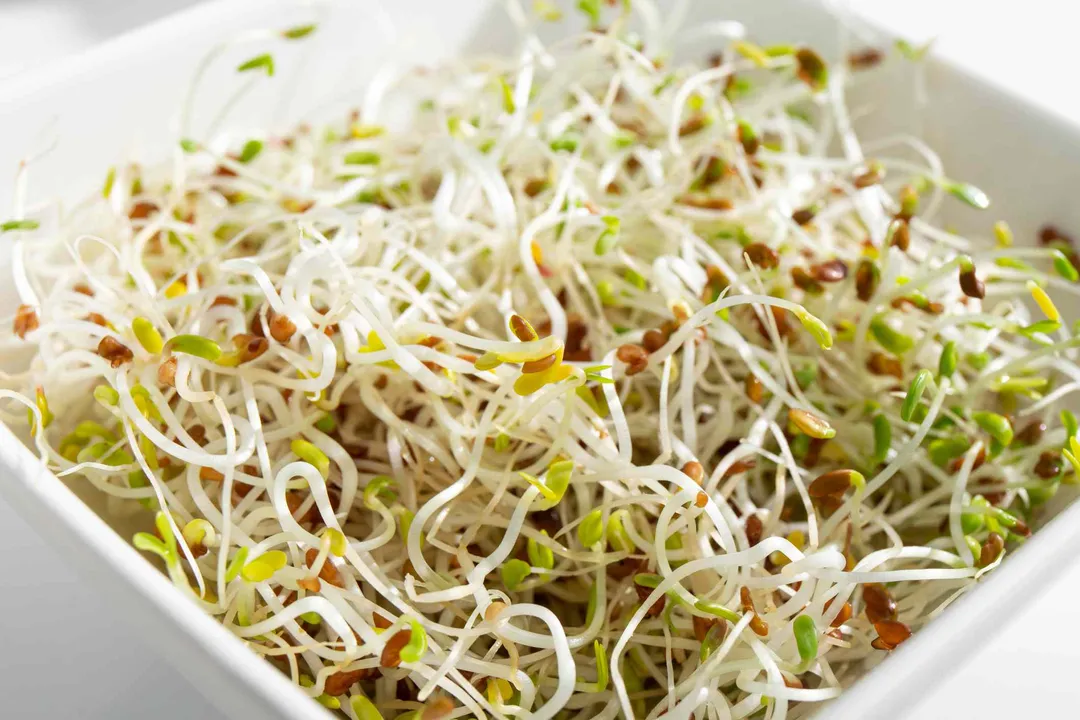
Alfalfa, consumed for centuries in various forms from livestock feed to dietary supplements, carries several potential side effects and safety considerations that users must understand before incorporating it into their routine. While it is often noted for its rich nutritional profile, supplying vitamins like A, C, E, and K, along with minerals such as calcium and iron, the concentrated use of its leaves, seeds, or sprouts in supplement form presents risks distinct from simply eating the vegetable in a salad. Generally, alfalfa leaves are considered possibly safe for most adults when used for short periods, but taking high doses or using it long-term shifts the safety profile to likely unsafe.
# Autoimmune Concerns

One of the most significant and concerning potential side effects associated with alfalfa, particularly from the seeds or concentrated seed products, involves the immune system. Alfalfa contains a non-protein amino acid called L-canavanine. Research suggests this compound may be responsible for inciting or worsening symptoms in individuals with autoimmune conditions.
The primary concern centers on Systemic Lupus Erythematosus (SLE). There are documented case reports where patients with SLE, who were in remission, experienced a disease flare after consuming alfalfa seed products long-term. Studies in primates have even shown that feeding alfalfa sprouts can induce an SLE-like syndrome. For this reason, anyone diagnosed with lupus, multiple sclerosis (MS), or rheumatoid arthritis (RA) is strongly advised to avoid alfalfa supplements entirely until more is known about its effect on the immune system. Alfalfa is believed to make the immune system more active, which can exacerbate symptoms of these chronic inflammatory conditions.
# Digestive Upset
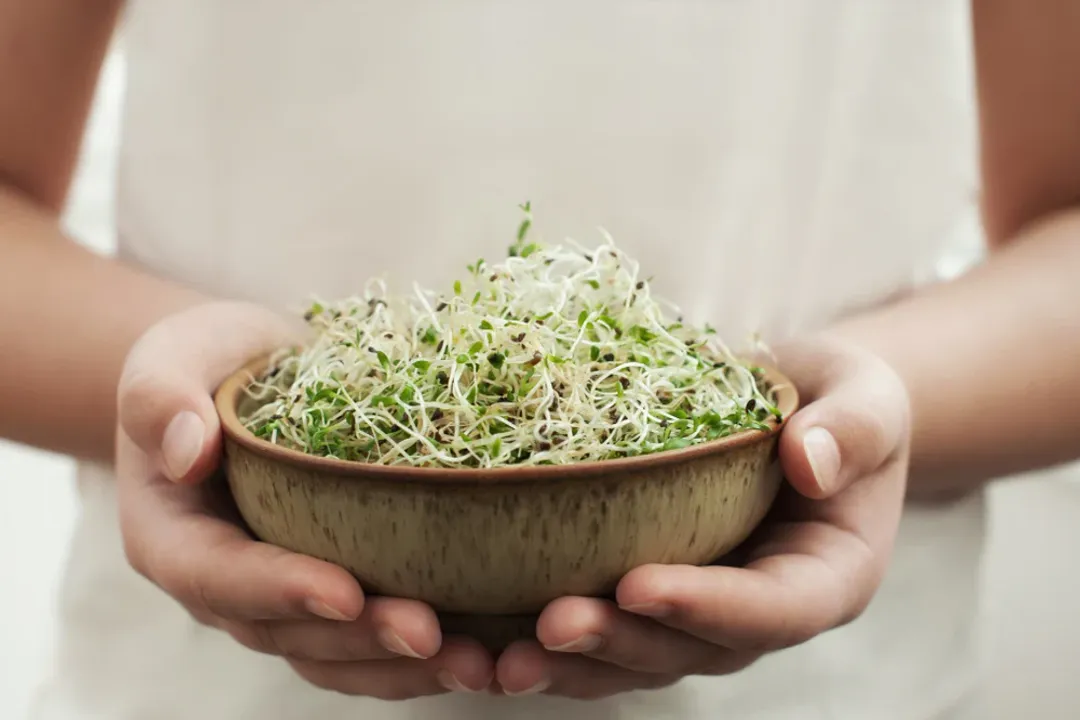
For some individuals, the introduction of alfalfa, especially in higher supplemental doses, can lead to predictable gastrointestinal disturbances. Common adverse reactions reported include an increased volume and frequency of bowel movements. More specifically, users may experience loose stools and diarrhea, accompanied by general abdominal discomfort and intestinal gas. Given that alfalfa is high in fiber, these digestive changes are not entirely unexpected, as consuming too much fiber too quickly can disrupt normal regularity. It is worth noting that for some individuals, like nursing mothers, consuming too much alfalfa could even result in diarrhea for the baby.
# Hormone Mimicry

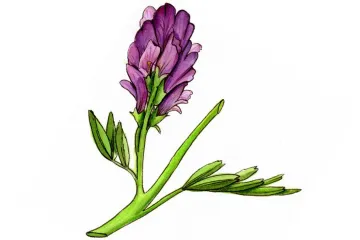
Alfalfa contains plant compounds known as phytoestrogens, which are chemically similar to the human hormone estrogen. This hormonal activity is why some people use it for menopausal symptom relief, but it is also the basis for significant contraindications.
Because of this estrogen-like action, alfalfa use in amounts greater than what is normally found in food is considered possibly unsafe during both pregnancy and breastfeeding. Furthermore, any individual with a condition that can be made worse by exposure to estrogen must avoid it. This warning specifically applies to those with hormone-sensitive cancers such as breast, uterine, or ovarian cancer, as alfalfa may actually promote the growth of estrogen-dependent cancer cells, as observed in some studies. Similarly, conditions like endometriosis or uterine fibroids should be managed without alfalfa due to this mechanism.
When considering supplements, a reader should be keenly aware of which parts of the plant are utilized. L-canavanine, the compound linked to lupus, is concentrated in the seeds, while phytoestrogens are present in varying amounts throughout the plant. A key consideration for supplement safety is understanding that the processing method can concentrate these compounds differently; for instance, supplements made from concentrated seed powder may pose a higher risk for the autoimmune effects associated with L-canavanine, whereas leaf extracts might present a higher concentration of phytoestrogens. If you see alfalfa listed in a supplement alongside ingredients meant for hormonal balance (like some blends for menopausal support or lactation), remember that while anecdotal use is common, the phytoestrogen content is the mechanism driving both the potential benefit and the risk of hormonal interference.
# Drug Conflicts
The chemical constituents in alfalfa necessitate caution if you are taking prescription medications, as it has moderate interactions with dozens of drugs.
# Clotting and Warfarin
The most critical interaction involves blood thinners, specifically Warfarin (Coumadin). Alfalfa contains high amounts of Vitamin K, a nutrient essential for the body's blood clotting process. By contributing to clotting, alfalfa can directly reduce the effectiveness of Warfarin, which is prescribed to slow clotting. If you are taking this medication, you must avoid taking alfalfa supplements, or at minimum, have your blood checked regularly and be prepared for potential dose adjustments of your anticoagulant.
# Blood Sugar Management
Alfalfa may decrease blood sugar levels. For individuals managing diabetes, combining alfalfa with prescription antidiabetes medications (like insulin or glipizide) carries a moderate risk of causing blood sugar to drop too low—a condition known as hypoglycemia. If you have diabetes and choose to use alfalfa, meticulous monitoring of glucose levels is necessary, and medication dosages may require modification by your provider.
# Immune System Modulation
As noted in the autoimmune section, alfalfa can increase immune system activity. This can counteract the intended effect of immunosuppressant medications, which are often used following organ transplants (such as cyclosporine) or for severe inflammatory diseases. This potential interference could, in theory, raise the risk of organ rejection or disease progression in those on such therapy.
For those on any of these interacting medications, a generic conversation about supplements is insufficient. It is important to specifically inform your doctor how much alfalfa you plan to take, as the interaction potential often scales with dosage. For example, when discussing Warfarin, frame the question around Vitamin K intake, not just "alfalfa".

# Sunlight Exposure
If you are prone to skin reactions or are taking medications that increase light sensitivity, alfalfa adds another layer of risk. Large doses of alfalfa may increase your skin’s sensitivity to sunlight, a condition called photosensitivity. Combining it with other photosensitizing drugs—which include certain antibiotics (like fluoroquinolones or tetracyclines) or tricyclic antidepressants—could compound this effect, increasing the likelihood of sunburn, rashes, or blistering upon sun exposure. Those planning extended sun exposure while supplementing should take extra precautions, like wearing protective clothing and high-SPF sunblock.
# Contamination Hazards
Beyond the chemical effects of the plant itself, there is a substantial, well-documented risk associated with the ingestion of raw alfalfa sprouts and, less commonly, tablets. Because seeds require warm, moist conditions to germinate, these environments are unfortunately ideal for the growth of harmful bacteria that may have contaminated the seed stock.
Alfalfa sprouts have been directly linked to multiple international outbreaks of foodborne illness, specifically from bacteria like Salmonella and Escherichia coli (E. coli). In some instances, these outbreaks have been severe, causing illnesses requiring hospitalization and even fatalities. Furthermore, reports exist linking contaminated alfalfa tablets to listeriosis.
This risk is why raw sprouts are especially discouraged for high-risk populations: adults over 65, children under five, pregnant individuals, and anyone with a weakened immune system. While processing methods have improved to mitigate this contamination risk, the consumer must still exercise caution with raw products. Always store sprouts refrigerated and rinse them thoroughly before consumption to try and reduce the microbial load.
# Conditions to Avoid
A few conditions necessitate avoiding alfalfa supplements altogether, irrespective of typical medication schedules:
- Gout: Alfalfa should be avoided by individuals with gout because the plant has a high content of purines, which can exacerbate gout symptoms.
- Surgery: Because of its potential effect on blood clotting (via Vitamin K) and its general immune-modulating properties, it is advisable to stop taking alfalfa before and immediately after any scheduled surgery to reduce bleeding risks.
- Kidney Transplant: In at least one reported instance, a kidney transplant rejection was linked to the use of an alfalfa-containing supplement, likely due to the herb's potential to stimulate the immune system against anti-rejection medications.
# Dosage and Supplement Quality
One overarching challenge regarding alfalfa side effects is the lack of established safety standards for dosage. Since it is regulated as a supplement and not a drug, there are no firm guidelines for a safe maximum intake. Supplement doses often range from 5 to 10 grams orally three times daily in studied cases, but this is not a standardized recommendation. When self-dosing with supplements, be aware that taking too much can increase the likelihood of GI side effects, like bloating, gas, and diarrhea, or potentially other serious issues like pancytopenia, which has been associated with ground alfalfa seeds.
My final point of advice revolves around formulation choice: If your primary concern is avoiding the L-canavanine associated with seed consumption, you should seek out leaf-only extracts. Conversely, if you are sensitive to hormonal fluctuations, be mindful that any product containing concentrated alfalfa material must be treated with caution due to phytoestrogens. Since the FDA does not mandate pre-marketing approval, quality and labeling accuracy can vary significantly between brands. It is prudent to select products that feature third-party testing seals to ensure ingredient accuracy and freedom from contaminants like Salmonella.
Related Questions
#Citations
ALFALFA – Uses, Side Effects, and More - WebMD
Alfalfa: Supplement Uses, Warnings, Side Effects, Dosage
Alfalfa: Health Benefits, Side Effects, Uses, Dose & Precautions
Alfalfa | Memorial Sloan Kettering Cancer Center
Valley Medical Center | Alfalfa - Health Library
Alfalfa: Benefits, Uses & Side Effects | Gaia Herbs
Alfalfa: Benefits, Uses, Side Effects, and More - Health
Alfalfa: Benefits, Dosage and Side Effects - MyOva