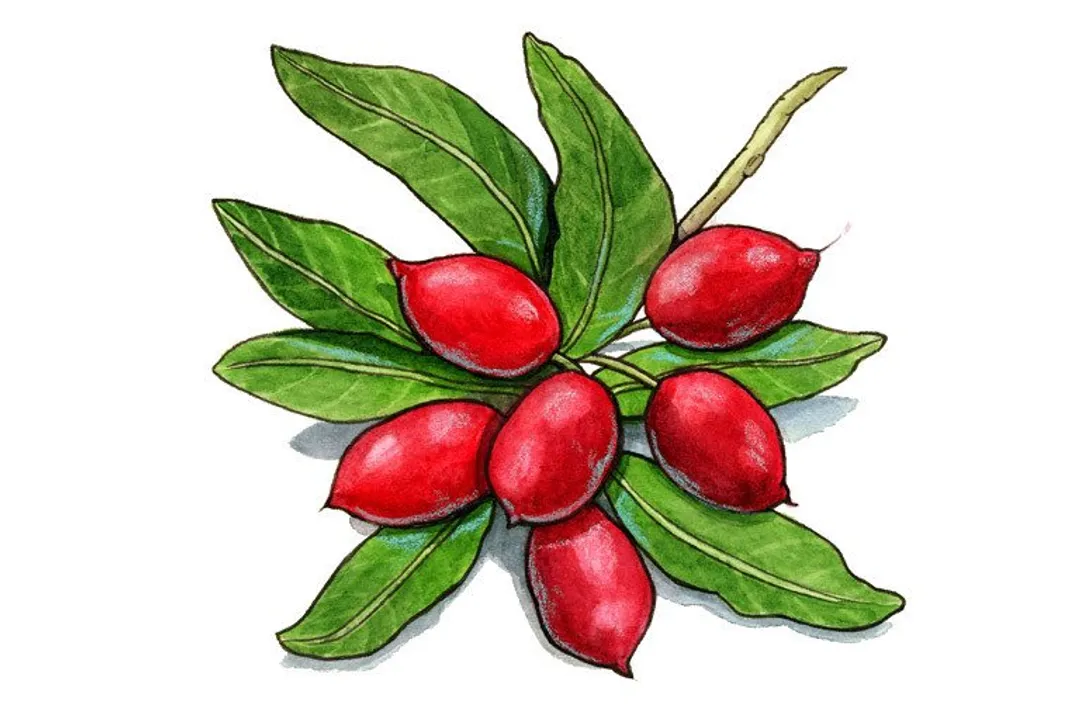
Which part of the fruit reduced the bioaccessibility of cholesterol by 32% in *in vitro* digestion models?
The pulp and skin (PS) supercritical extract
When simulating the human digestive process using *in vitro* models, researchers examined how different components of the miracle fruit interact with dietary fat absorption in the intestinal environment. While seed extracts showed moderate inhibition of pancreatic lipase, the extract derived from the pulp and skin (PS) demonstrated a more direct physical interference with cholesterol uptake. This PS supercritical extract proved capable of reducing the percentage of dietary cholesterol that the body could absorb, which is termed bioaccessibility. Quantification of this effect showed that the PS extract achieved a 32% reduction in the bioaccessibility of cholesterol when directly compared against a control simulation lacking the extract. This mechanism suggests a localized protective effect in the gut, distinct from the systemic effects associated with compounds found in the seeds.