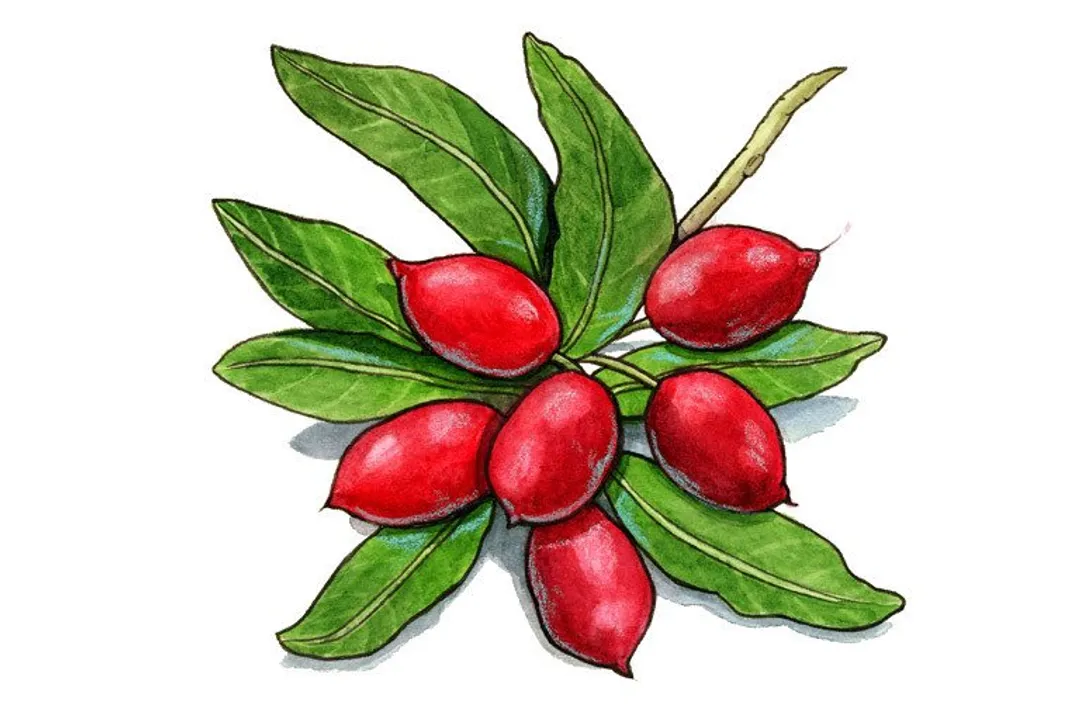
What compound in *S. dulcificum* leaves showed 92.5% improvement for total cholesterol in the zebrafish model?
Quercitrin
Research into the lipid-regulating potential of *Synsepalum dulcificum* extends beyond the seeds to include the leaves, using the zebrafish model to assess anti-hyperlipidemia effects. This specific line of investigation identified quercitrin as a major bioactive compound contributing to improvements in lipid profiles within this model organism. The results documented for quercitrin were quite potent, achieving an improvement rate of 92.5% specifically for total cholesterol metrics. Additionally, this same compound demonstrated effectiveness against fat accumulation in the liver tissue of the zebrafish, reaching an improvement rate of 75.6%. This finding highlights that different parts of the plant—the leaves versus the seeds—possess distinct chemical profiles and regulatory mechanisms when targeting metabolic issues.